Wild Oysters Breed Again in Scotland's Dornoch Firth
A century after local extinction, scientists confirm native European flat oysters are naturally reproducing in a Scottish firth, a major milestone for marine restoration.
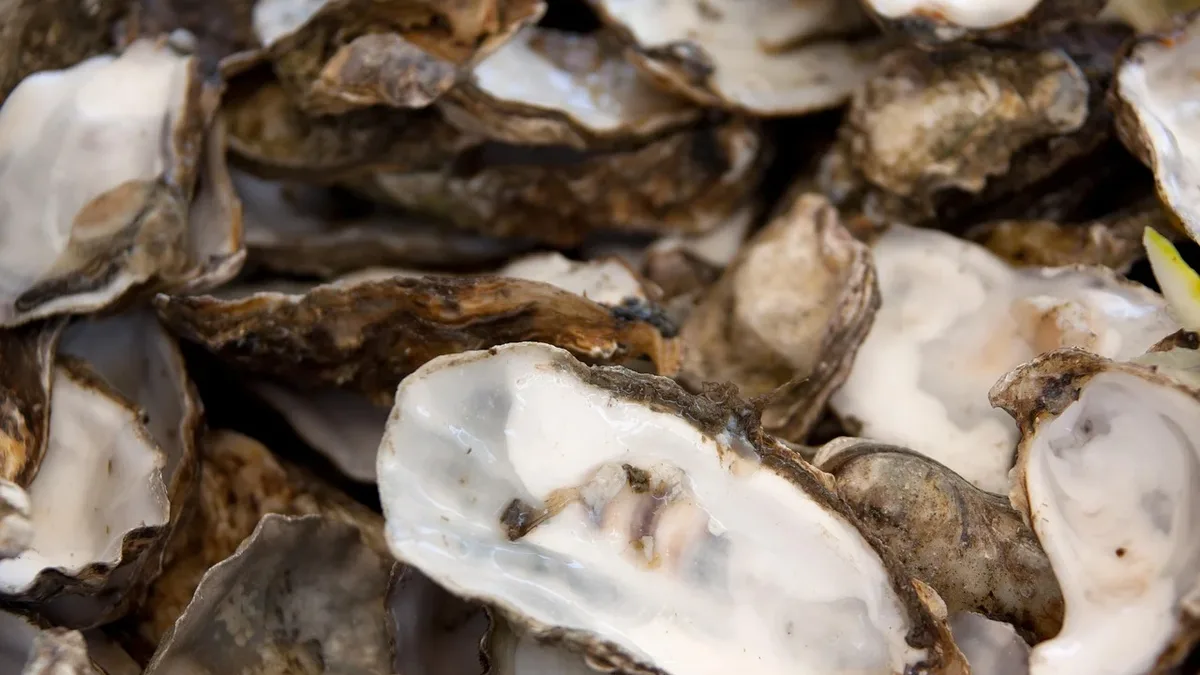
Scientists have succeeded in breeding wild oysters in the Dornoch Firth, Scotland, for the first time in over a century. The Dornoch Environmental Enhancement Project, known as Deep, launched in 2014 to restore the extinct native oyster reef and has introduced approximately 140,000 adult European flat oysters into the waters north of Inverness over the past twelve years. The project is a partnership co-funded by the Glenmorangie whisky company, Heriot-Watt University, and the Marine Conservation Society. Its target is to establish around four million native oysters across 40 hectares of the seabed by 2031.
Scientific Breakthrough
Researchers have now confirmed the natural reproduction of European flat oysters in the Dornoch Firth. Tiny oyster spat, verified by curators at National Museums Scotland and Amgueddfa Cymru, Museum Wales, have been found. Some have grown to the size of a 50p coin. This discovery marks a key shift, demonstrating the project has moved beyond simply introducing adult oysters to achieving a self-sustaining, breeding population.
Professor Bill Sanderson, the marine biodiversity expert from Heriot-Watt University who leads Deep, states that oyster reefs act as powerful ecosystem engineers. They filter water, fix sediments, and create complex habitats. According to his research, establishing an oyster reef can potentially double the diversity of species living on the seabed over a ten-year period.
Threats and Conservation Context
Despite this breakthrough, conservationists express ongoing anxiety about threats to marine habitats. Pollution and destructive fishing practices, including drag-net fisheries, continue to pose significant risks. Critics point to government policies they believe are insufficient in protecting these recovering ecosystems from such pressures.
Broader Implications
The success in Dornoch has inspired a wave of newer oyster restoration projects across Britain. Deep is one of the first major European initiatives of its kind and has helped catalyze approximately a dozen other efforts. These include projects led by Seawilding in Argyll, the Essex Oyster Restoration Initiative, the Solent Oyster Restoration Project, and Restoration Forth near Edinburgh. The confirmed natural reproduction in Scotland raises hopes for similar recovery in these other coastal regions.
The ultimate significance lies in the transition from survival to sustainable recovery. The discovery of breeding oysters confirms the restoration effort is working as intended, paving the way for a resilient, naturally reproducing population to reclaim its historic role in the firth's ecology.