Kavantissa's death exposes Sri Lanka's elephant conflict crisis
The fatal shooting of Sri Lanka's tallest elephant, Kavantissa, has intensified scrutiny on the country's severe human-elephant conflict.
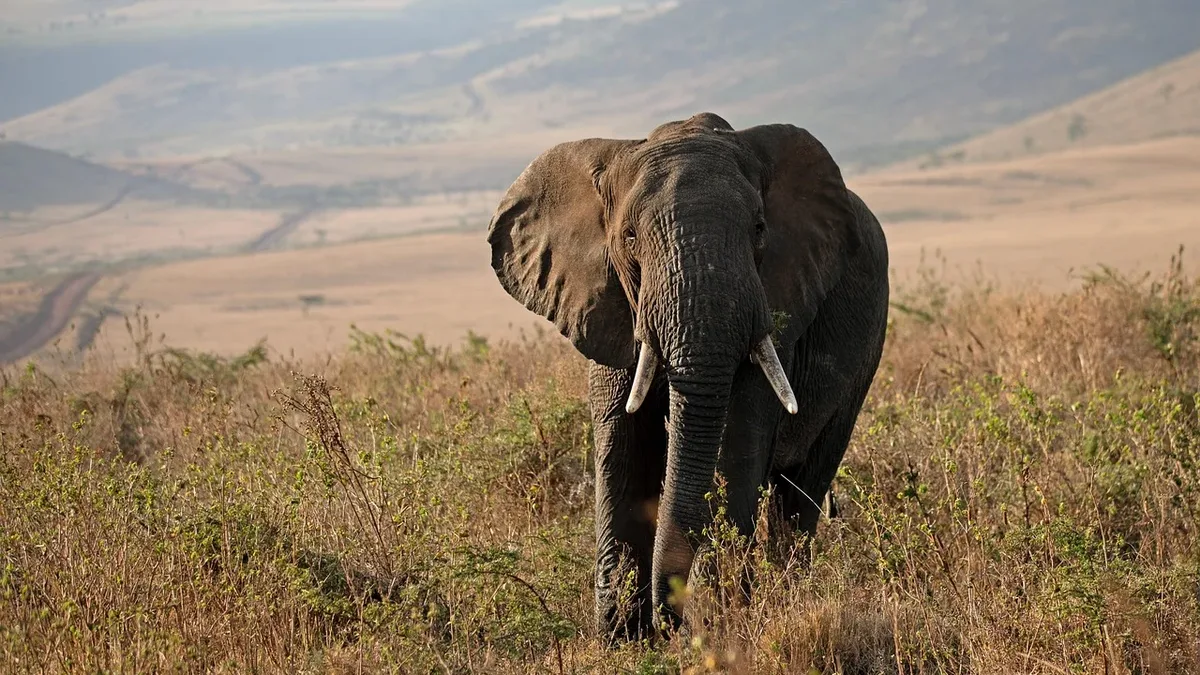
The death of Kavantissa, Sri Lanka's tallest elephant, from gunshot injuries on October 16, 2026, shows a deadly national crisis. The iconic male, roughly 3.3 meters tall and weighing 5.5 tons, succumbed to a wound in his right leg, becoming one of nearly a thousand elephants killed by gunfire since 2010.
Bandara Mudiyanselage Jayathilaka, a resident of Galgamuwa where Kavantissa roamed, described the elephant as gentle and disciplined. He noted it never attacked humans and would often wait for its herd to cross railway tracks before appearing itself. This celebrated animal's violent death has sparked public outrage and prompted authorities to launch daily raids to confiscate illegal firearms and curb wildlife crimes.
Conflict statistics reveal systemic challenges
Sri Lanka records the highest number of elephant deaths annually and the second highest number of human deaths globally from these violent interactions. Since 2019, an average of 370 elephants and 125 humans have died each year. The country is home to about 10% of the global Asian elephant population, squeezed into just 2% of their total natural range, creating the world's highest density of this endangered subspecies.
Forest cover has shrunk over decades due to population growth and agricultural expansion. The rural population nearly doubled from 8.25 million in 1960 to 17.8 million in 2020. With agriculture as the primary rural income, land clearing continues relentlessly. An estimated 7,451 wild elephants were recorded in 2024, with about 70% living outside protected areas. Their massive daily dietary need of about 150 kilograms of green matter drives them directly into farmland.
Prithiviraj Fernando, chairperson of the Centre for Conservation and Research, highlighted the spatial crunch. He noted that 82% of the country’s land is inhabited by humans, forcing elephants into the remaining 18% uninhabited areas.
Government response and prevention efforts
In reaction to Kavantissa's death, the government appointed an expert committee on October 21 to develop scientific standard operating procedures for managing elephant deaths and conflict. Authorities plan daily firearm raids, and a rapid response veterinary unit was discussed for swift field interventions. Ranjan Marasinghe, director general of the Department of Wildlife Conservation, stated that the department has sufficient resources and funding for wildlife management activities. "The situation in the field is 'very different' to what is being portrayed in the media," Marasinghe said.
Past efforts include a national action plan drafted in 2020 to mitigate conflict, which provides a foundation but requires strengthening through a comprehensive national conservation strategy with enforceable habitat protection. Community-based programs by NGOs, like Project Orange Elephant in Wasgamuwa, promote citrus cultivation to deter elephants and generate alternative income. Electric fencing protects settlements while encouraging local responsibility. The 'EleFriendly' bus service in Wasgamuwa has reduced dangerous human-elephant encounters along school routes by over 90%.
Kavantissa is not an isolated case. Another tusker, Bathiya, died from gunshot injuries in 2025. Agbo, a wild tusker, has survived multiple gunshot injuries. The case of elephant Sak Surin, repatriated from Thailand in 2023 after years of neglect and severe leg injuries, also highlights ongoing welfare issues. For an ethically just solution, experts call for scientifically informed land-use planning, protection of elephant corridors, community-based fencing, early-warning systems, and fair compensation for affected families. The government's new committee is now tasked with developing those scientific standard operating procedures for managing elephant deaths and human-elephant conflict.