Second Javan Rhino Habitat Proposed Amid Translocation Debate
A proposal to move Javan rhinos to Alas Purwo National Park has been raised, as the species faces decline from poaching and genetic issues.
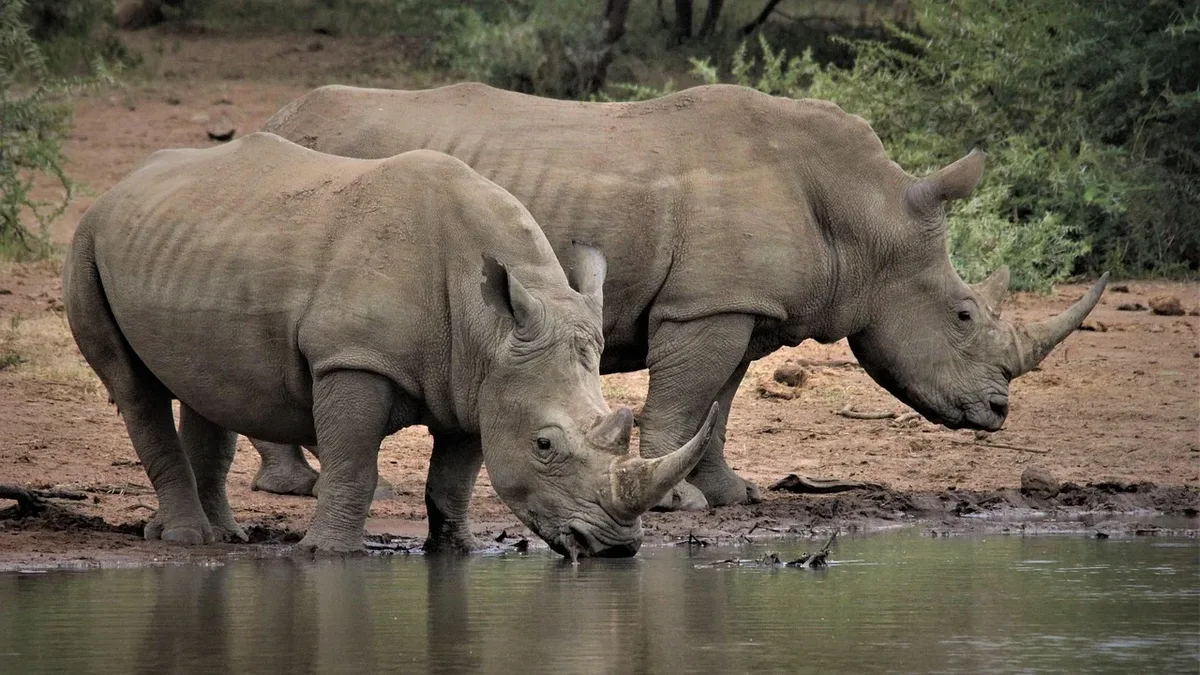
A proposal by Indonesian official Hashim Djojohadikusumo to move Javan rhinos from Ujung Kulon to Alas Purwo National Park has been raised at COP31, though no formal decision or study exists yet. Hashim Djojohadikusumo, the brother of President Prabowo Subianto and the government’s special envoy for climate and energy, made the suggestion during the U.N. climate summit in Türkiye on November 12. He identified Alas Purwo National Park in Banyuwangi, East Java, as a potential location. The Forestry Ministry quickly clarified that Alas Purwo had not been formally selected and that further scientific assessments were needed. The ministry's spokesperson Ristianto Pribadi stated that site selection must be based on scientific evidence and thorough risk assessments.
Ujung Kulon's rhino population decline and extinction risks
The Javan rhino population in Ujung Kulon has decreased by about a third since 2019 due to poaching and low genetic diversity, with experts warning of potential extinction within 50 years. Only about 50 of the critically endangered animals remain, all confined to that single park. The proposal for a second refuge aims to reduce the extinction risk from natural disasters like tsunamis. Hashim Djojohadikusumo said: "If there is a tsunami due to an earthquake or a volcanic eruption, our Javan rhinos can go extinct." An eruption at Anak Krakatau in December 2018 triggered a tsunami that killed more than 420 people, though none of the 68 rhinos then in Ujung Kulon were affected.
Translocation challenges and past failures
Efforts to establish a second rhino population have faced significant setbacks. Musofa, the first Javan rhino translocated under the conservation program, died two days after being moved to the Javan Rhino Study and Conservation Area (JRSCA) in November 2025. The cause was chronic illness and a severe parasitic infection. The JRSCA is a 5,100-hectare site within Ujung Kulon established in 2010 to expand habitat and support breeding. Experts are divided on the path forward. Timer Manurung warned that moving rhinos within five years would be 'clearly very dangerous' due to the small population size. He argued, "The current population in Ujung Kulon needs to grow and is not sufficient to take [away] even one rhino, let alone several, for relocation elsewhere." In contrast, John Payne argued that translocation remains a necessary conservation strategy despite the risks, stating that even one male and two female animals would be acceptable for starting a new population. Ronny Rachman Noor emphasized that establishing a second population requires comprehensive scientific assessments of food availability, carrying capacity, disease risks, genetics, health, and behavior, along with strict risk-mitigation protocols and long-term monitoring.
Mining designation and environmental opposition
Separately, the energy ministry's February decree rezoning waters around Ujung Kulon as a 'mining business area' has drawn criticism from environmental groups and Indigenous leaders over ecological and cultural impacts. The designation was issued to allow future corporate mining concessions. Greenpeace Indonesia and Walhi called for the decree to be revoked, citing environmental concerns and threats to Indigenous Baduy territory. Lawmaker Rieke Diah Pitaloka urged the energy ministry to revoke the decree and publish the digital map and scientific justification for the rezoning. The ministry stated the designation stems from a 2013 request from the Banten provincial government and that no mining permits have been issued for land inside the park or its waters. Banten Governor Andra Soni said the decree does not automatically allow for mineral exploration.
The idea of a second habitat has been discussed since the early 1980s. A 2015 assessment by the International Rhino Foundation, WWF, and IUCN set a goal of having at least 80 rhinos in at least two sites by 2025, which remains unmet. In late August 2025, authorities announced a program with the Indonesian military and YABI to move a male and female rhino to establish a second population by 2029. The government stated it will not move any rhinos without a comprehensive study confirming site suitability.