Lea-Hutaff Island Sees Record Bird Nesting Success
A conserved North Carolina barrier island reported its largest-ever Least Tern colony and the return of nesting Black Skimmers this season, highlighting
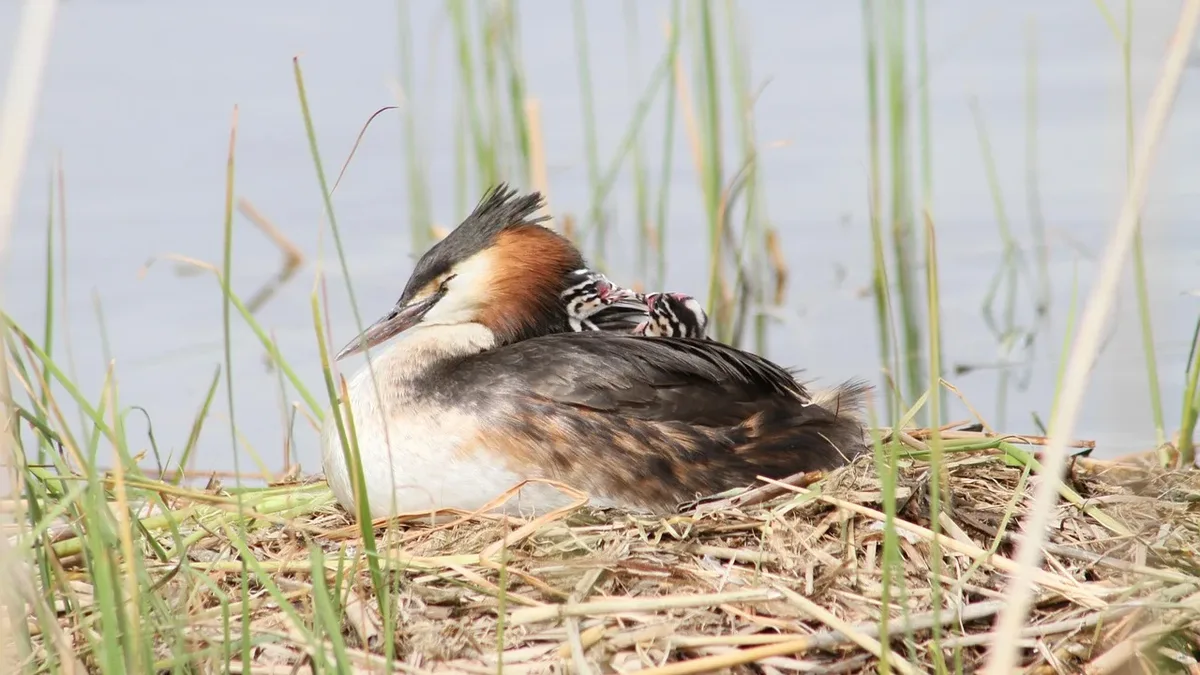
Lea-Hutaff Island, a conserved barrier island in North Carolina, recorded its largest-ever count of Least Terns this nesting season. Black Skimmers also successfully nested there for the first time since 2022.
The 5,600-acre undeveloped island south of Topsail Beach provides ideal habitat for birds that nest on open sand. Audubon, in partnership with the North Carolina Coastal Land Trust and others, helped protect the Hutaff portion of the island in perpetuity in 2021. Coastal biologist Lindsay Addison stated that as development pressures increase on the coast, Lea-Hutaff has grown in importance as a nesting sanctuary.
Record Numbers for Key Species
This year, three large colonies of Least Terns settled on the island, totaling 1,146 breeding pairs. For context, the entire state of North Carolina usually supports about 3,500 pairs. The colonies fledged hundreds of chicks. In a stroke of luck, coyotes largely avoided the island this season, unlike in recent years when predator management was required.
Black Skimmers also made a comeback on Hutaff. Nineteen pairs settled and successfully fledged chicks. The island also saw a record-breaking 29 loggerhead sea turtle nests, which are being monitored with the NC Wildlife Resources Commission.
Banding Efforts and Statewide Monitoring
Audubon coordinates American Oystercatcher banding efforts statewide to monitor the imperiled population. This summer, the group trained two new banders in collaboration with state agencies. Across North Carolina, 173 oystercatchers received new bands. Staff monitored over 160 pairs at key sites.
| Location | Oystercatcher Pairs Monitored |
|---|---|
| Lower Cape Fear River | 97 |
| Lea-Hutaff Island | 25 |
| Masonboro Island | 30 |
Challenges and Successes Elsewhere
While coyotes spared Lea-Hutaff, one was documented for the first time on South Pelican Island in the Cape Fear River. This spooked nesting Royal and Sandwich Terns, which relocated to nearby Ferry Slip Island. Despite the disruption, over 3,000 pairs of terns nested and fledged hundreds of chicks. Audubon banded 58 Royal and 47 Sandwich Terns and continued a diet study using collected fecal samples.
Brown Pelicans had large, successful colonies on Battery and Beacon Islands. White Ibis, however, were largely absent from their typical nesting site on Battery Island, with only about a hundred arriving late. Audubon suggests competition with larger pelicans may have been a factor.
Volunteer Stewardship Proves Critical
More than 75 volunteer Wrightsville Beach Bird Stewards helped protect Common Terns and Black Skimmers at a heavily visited sanctuary. Twelve pairs of Common Terns fledged seven chicks. Addison noted that as of Labor Day, a handful of Black Skimmer chicks remained unfledged. The group banded 53 Black Skimmer chicks; the public is asked to report any sightings of these banded birds.
Addison credited overall success to people respecting posted nesting areas and keeping dogs leashed. The health of nesting birds, she said, depends on public stewardship. All banding was conducted under a federal permit from the U.S. Geological Survey’s Bird Banding Lab.