Trafico y conflicto
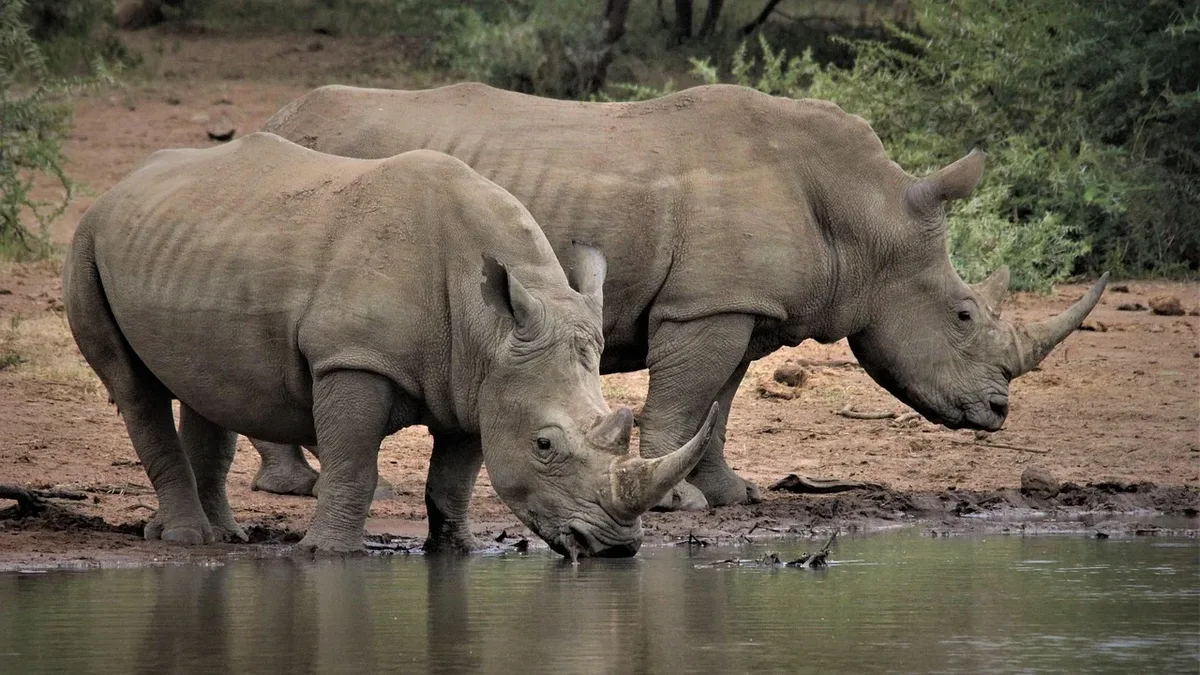
Second Javan Rhino Habitat Proposed Amid Translocation Debate
A proposal to move Javan rhinos to Alas Purwo National Park has been raised, as the species faces decline from poaching and genetic issues.
Trafico y conflicto on Released Wild: Conflicto humano-fauna.
A proposal to move Javan rhinos to Alas Purwo National Park has been raised, as the species faces decline from poaching and genetic issues.
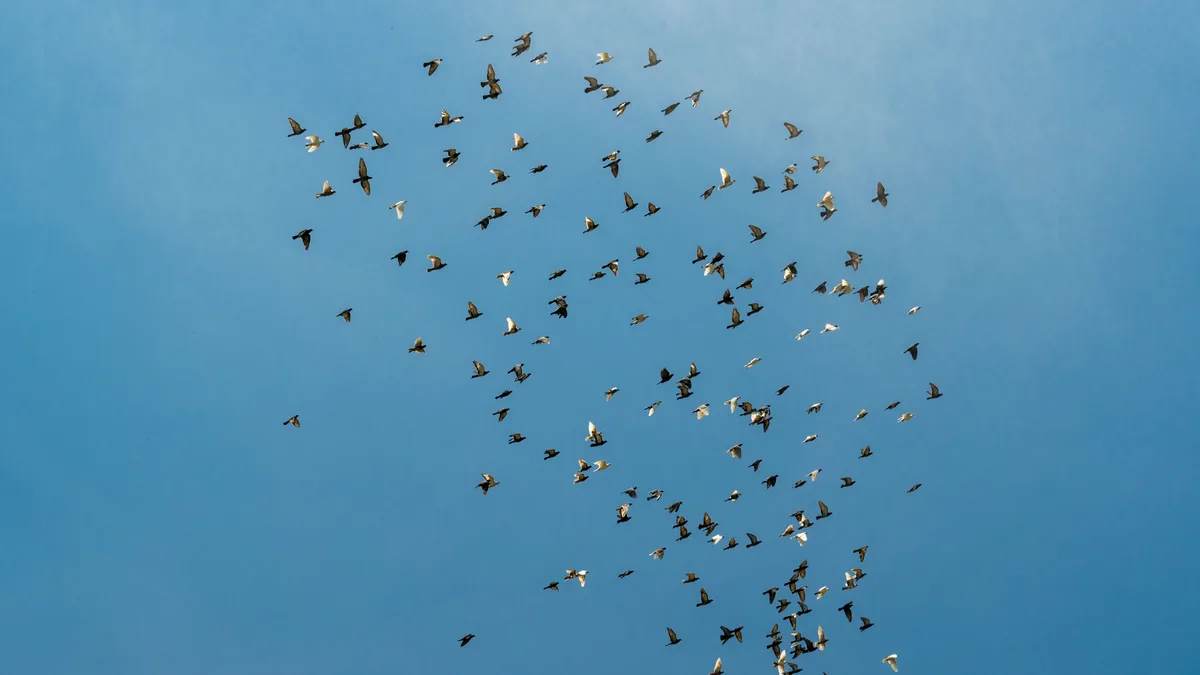
The UK government and its agencies have been found in breach of environmental law for failing to protect wild bird populations.
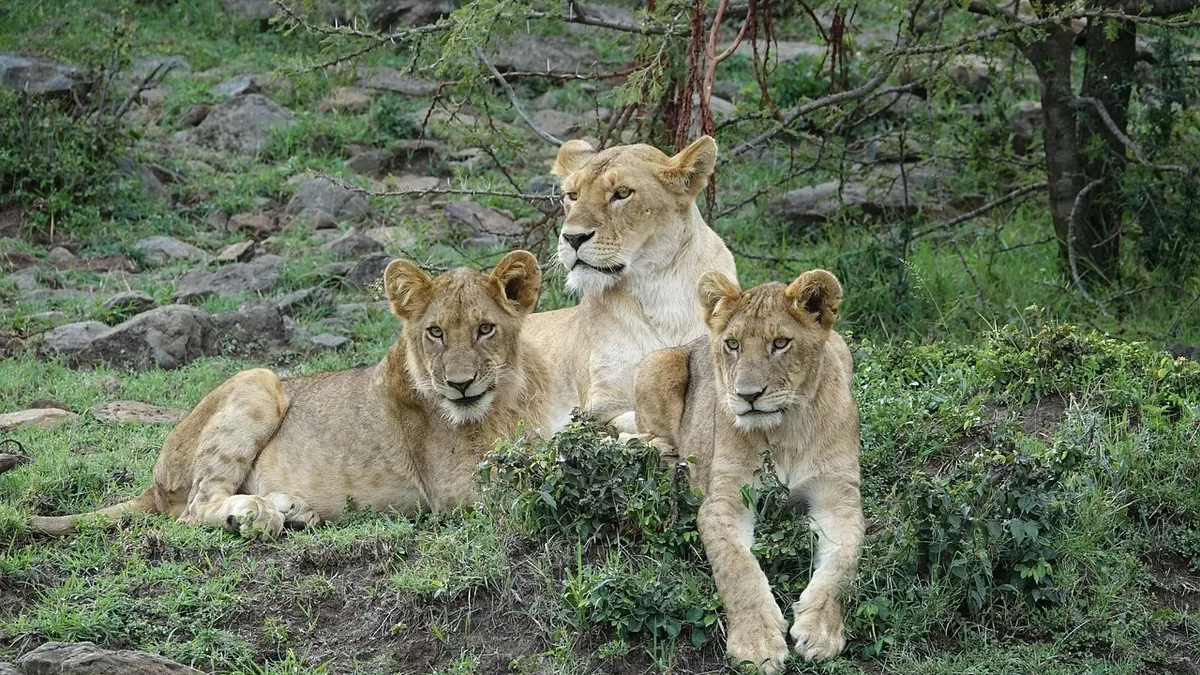
A mother and daughter were killed by a grizzly bear on a trail near Bella Coola, British Columbia. Authorities have euthanized the female bear and her three cubs linked to the rare predatory attack.

In Recife, affluent areas receive over 700 hours of water monthly while peripheral Black communities get as little as 91 hours, far below the 540-hour regulatory minimum, exposing deep racial and class divides.

Two municipal employees in Tacuru, Brazil, were suspended and face investigation for allegedly threatening to poison the Guarani-Kaiowá Indigenous water supply following President Lula's reelection.

A coalition of nine private funders, led by the Bezos Earth Fund, has pledged over $500 million to coordinate global species recovery efforts, responding to a 73% decline in monitored wildlife populations.

The rebound of Tanzania's electric-blue gecko, aided by trade bans and community-led habitat restoration, offers a model for global biodiversity efforts as governments review progress toward 2030 targets at COP17 in Yerevan.

Wildlife rescuers are overwhelmed by a mass starvation event affecting vulnerable grey-headed flying foxes, leading to record callouts, premature births, and increased human-wildlife conflict.
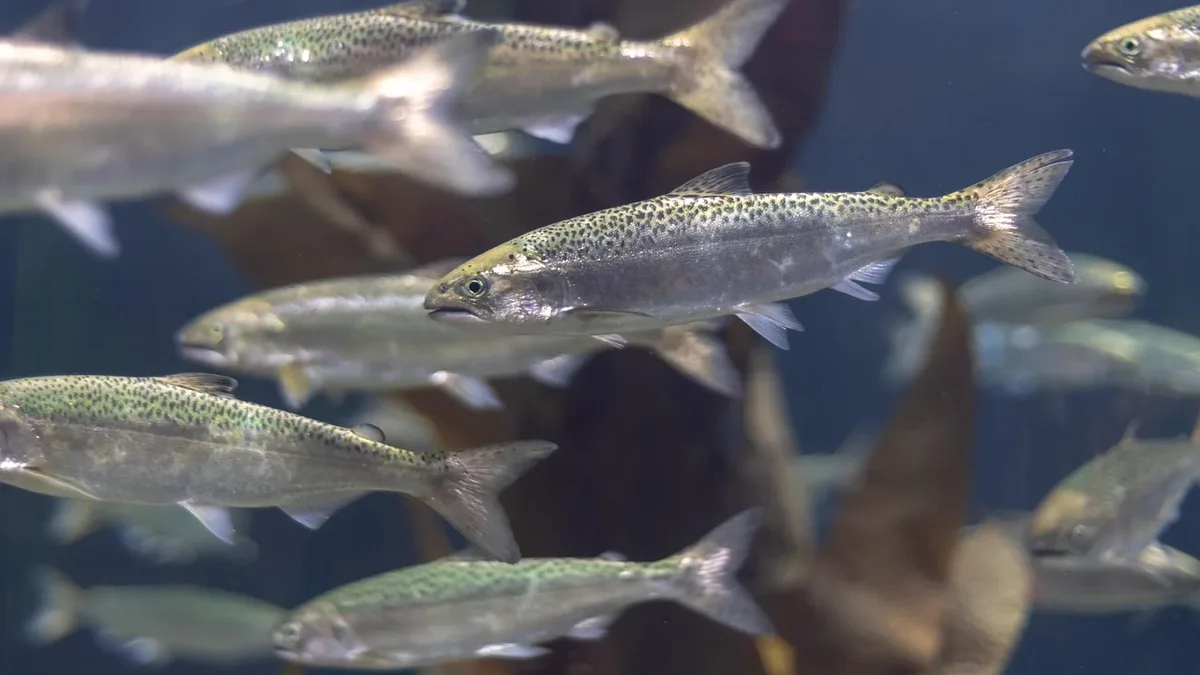
More than 13,000 Chinook salmon migrated up the Klamath River in 2025, nearly doubling the 2024 count and reoccupying 88% of historical habitat after the world's largest dam removal.
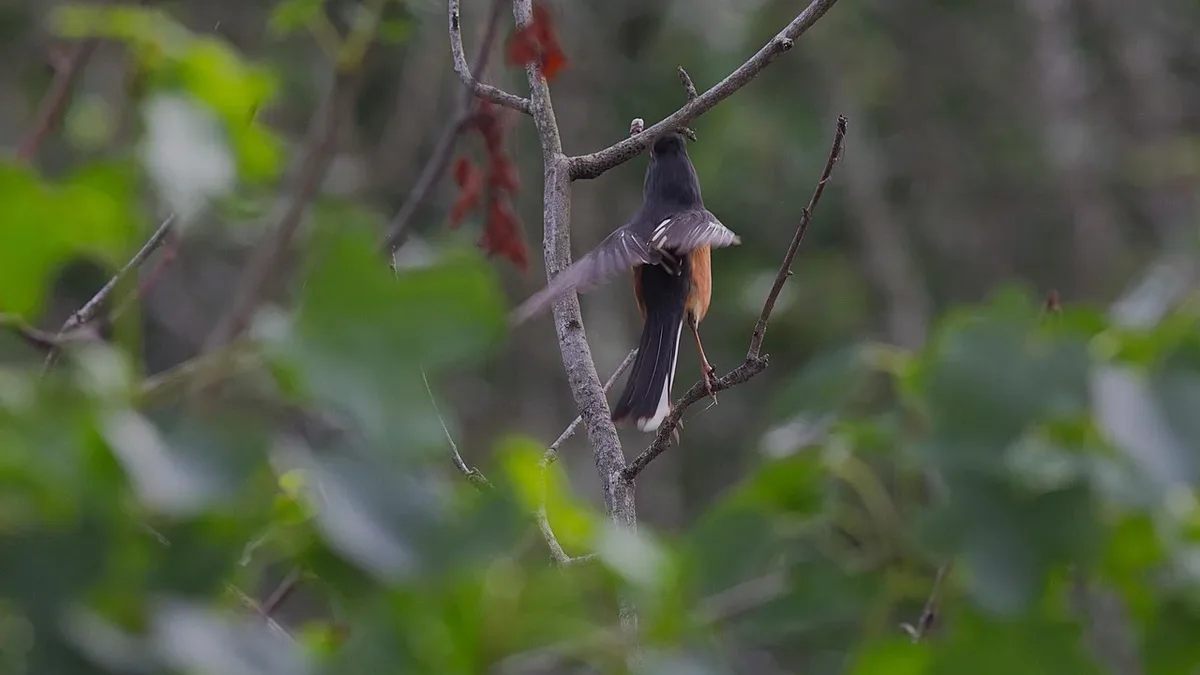
Gardener Kate Bradbury finds a dying, unidentified tree in her Lewes garden is a vital habitat, daily visited by her favourite bird, the treecreeper.
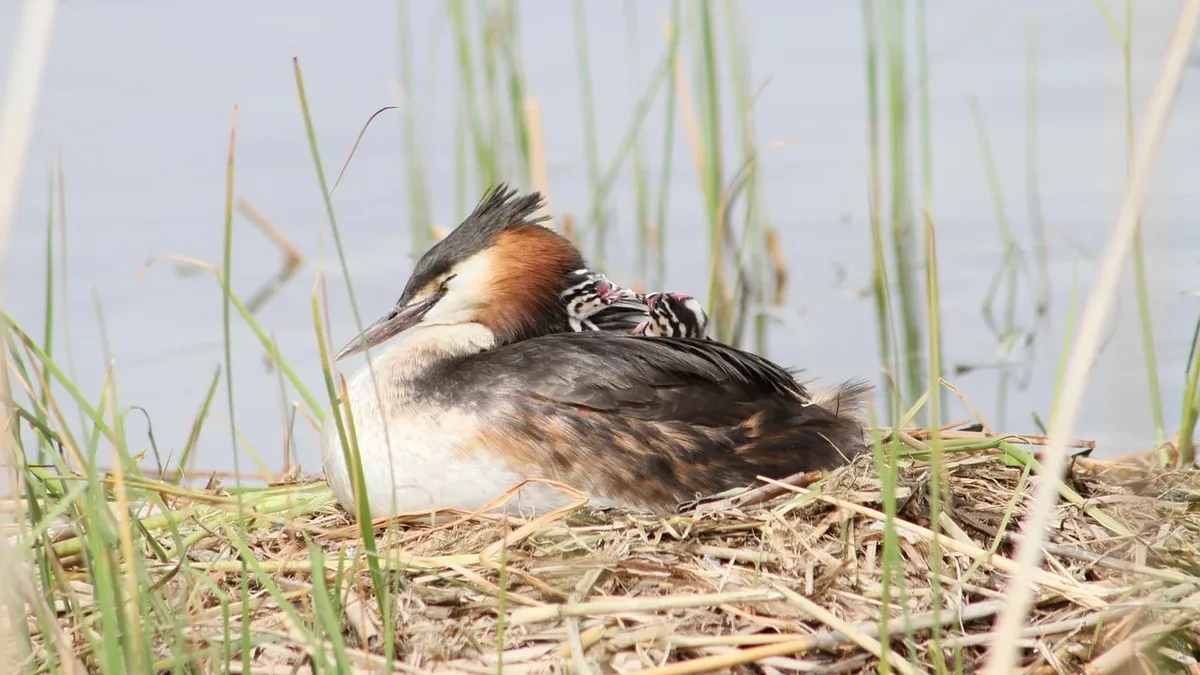
A conserved North Carolina barrier island reported its largest-ever Least Tern colony and the return of nesting Black Skimmers this season.
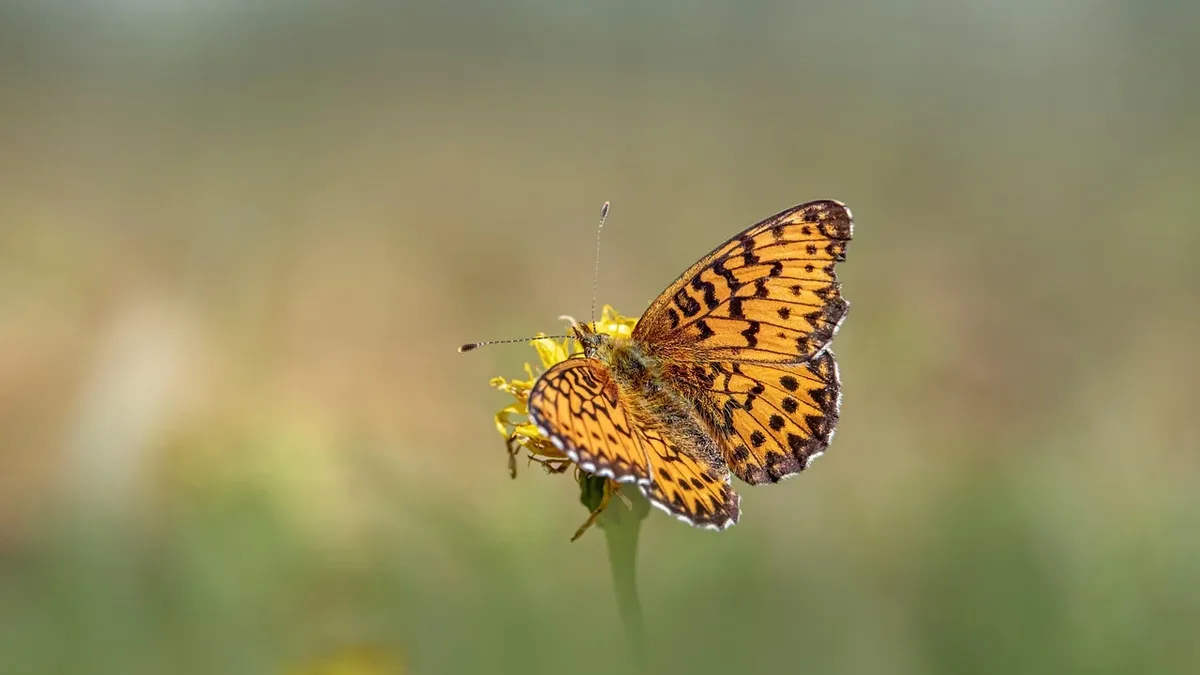
Record 2026 heatwaves produced Britain's second-best butterfly season in 16 years, but conservationists warn the drought may cause a severe population crash.
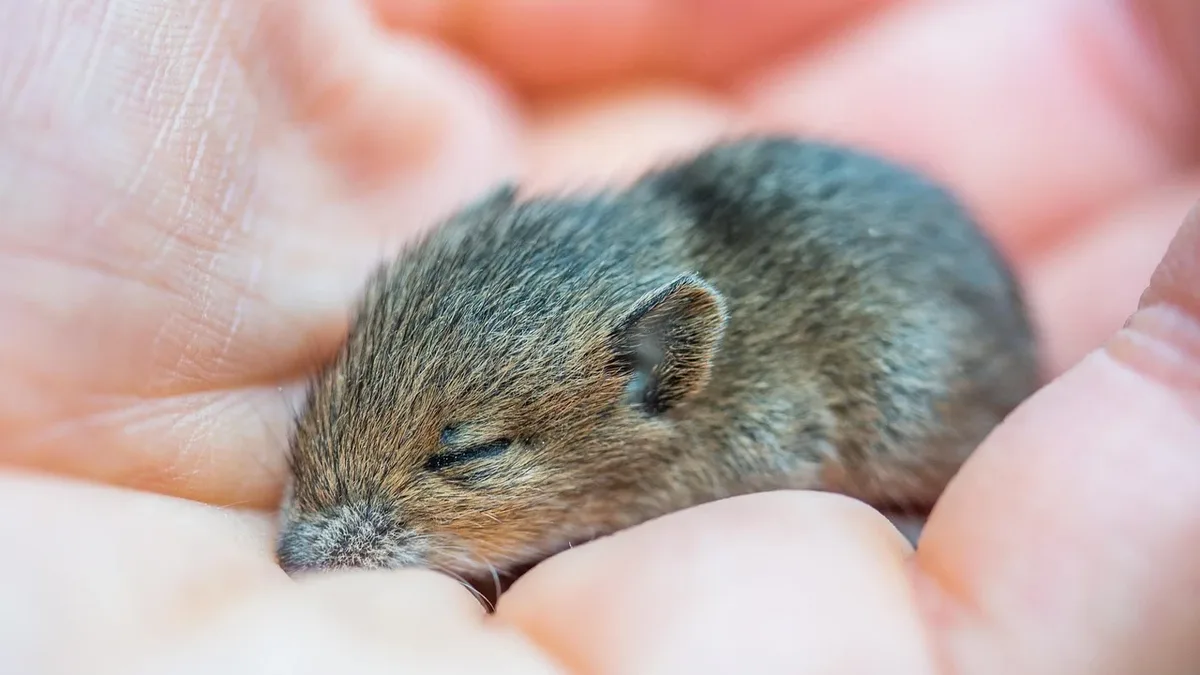
Scientists have formally described Mus dumbara, a new endemic spiny mouse species from Sri Lanka's Dumbara mountains after two decades of analysis.
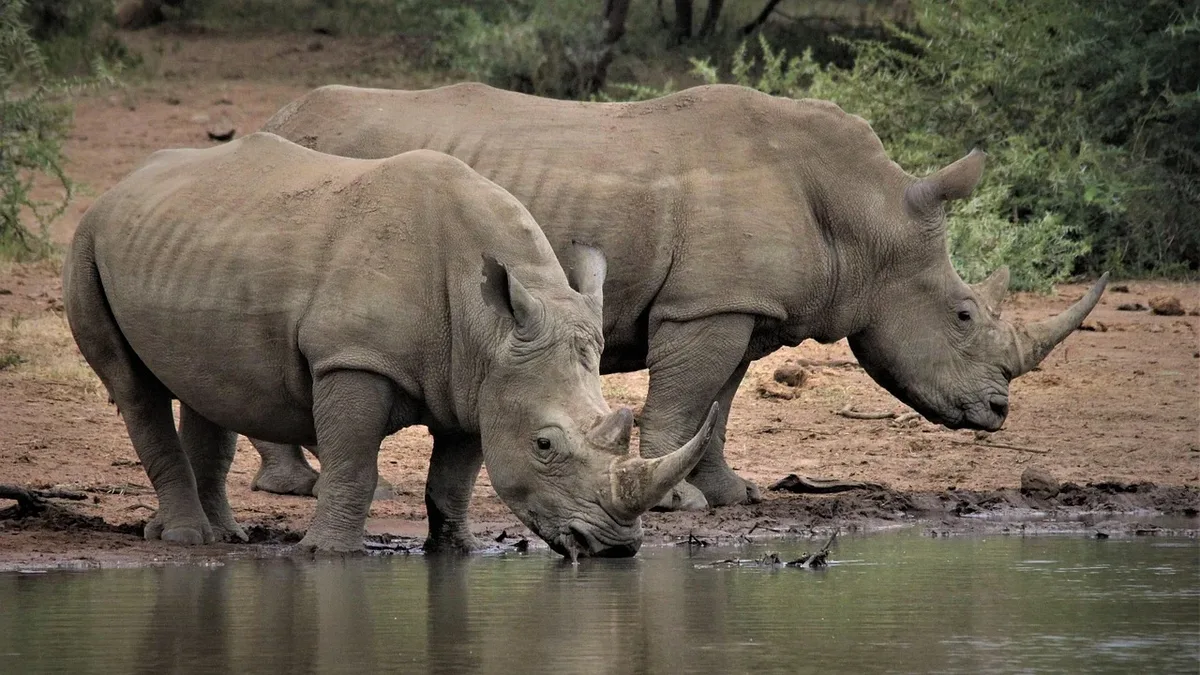
Indonesia's critically endangered Javan rhinos were unharmed by a recent volcanic eruption near their only home, Ujung Kulon National Park.

The environmental group Green Southerners reports that large-scale military detonations in southern Lebanon are destroying the limestone habitats.
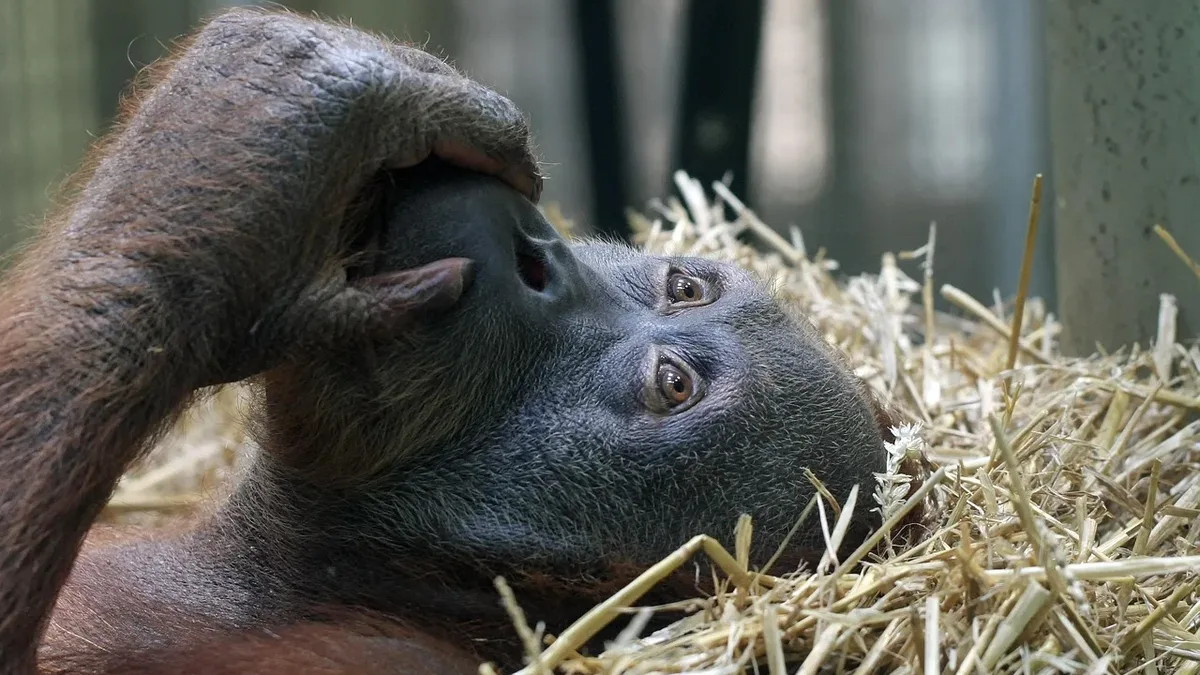
Indonesian rescuers recovered seven critically endangered Bornean orangutans from wildfires in August, with one dying from smoke exposure.
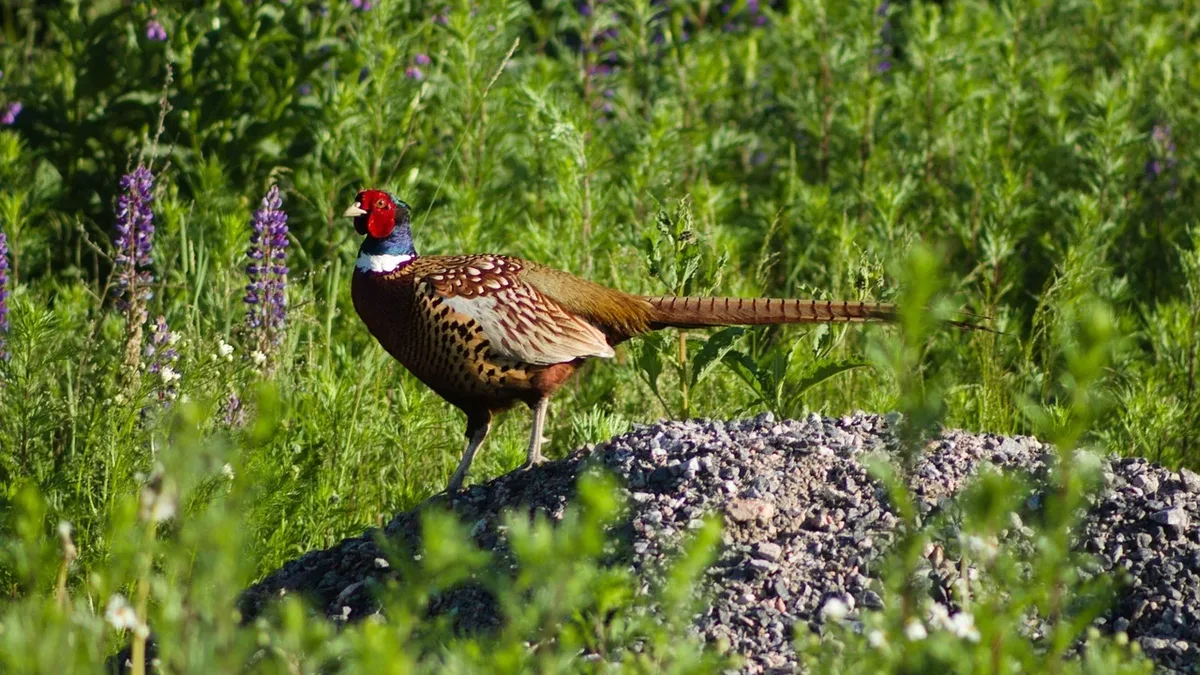
Two Himalayan pheasant species, the white-crested kalij and the vulnerable western tragopan, are under pressure from human activities like logging.
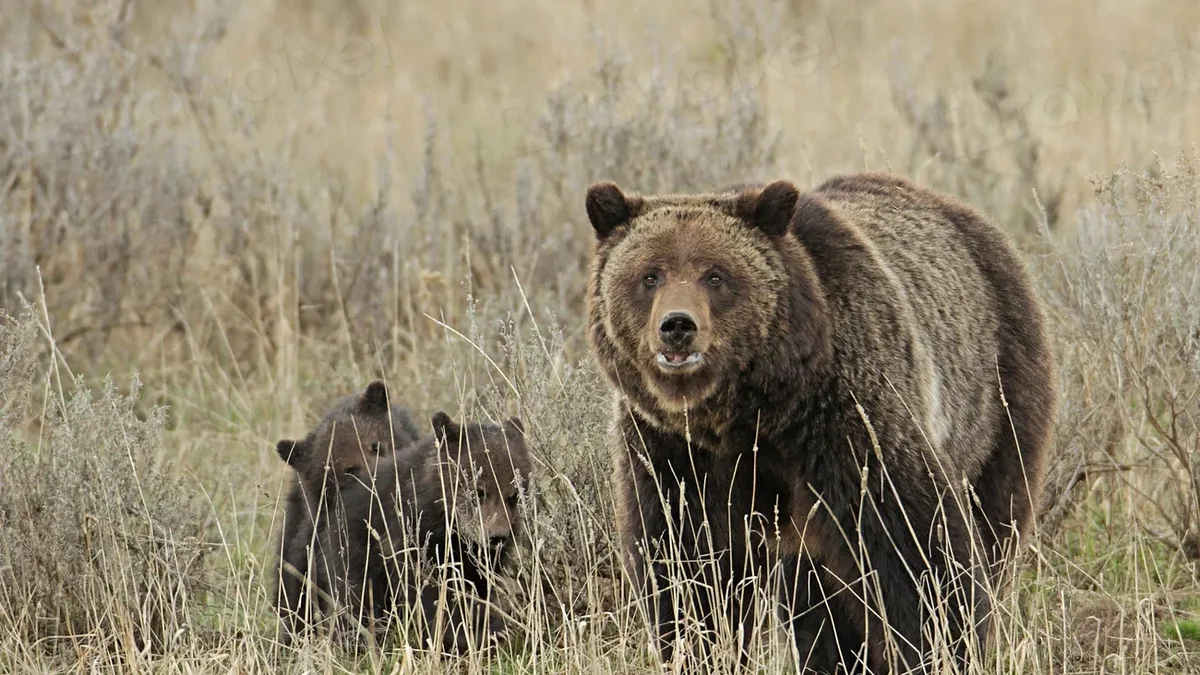
The Cantabrian brown bear population in Spain's Asturias region has recovered from near extinction.
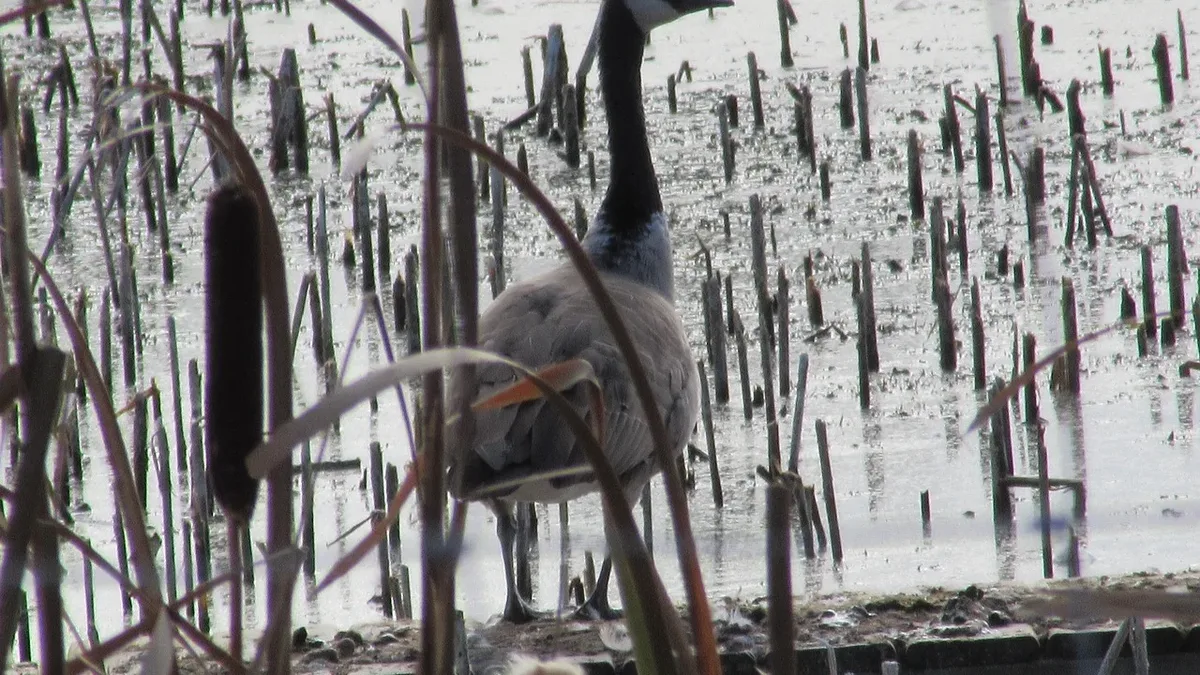
Audubon and Wisconsin DNR lead a multi-partner effort to restore critical Lake Superior wetland habitat by controlling invasive cattails.
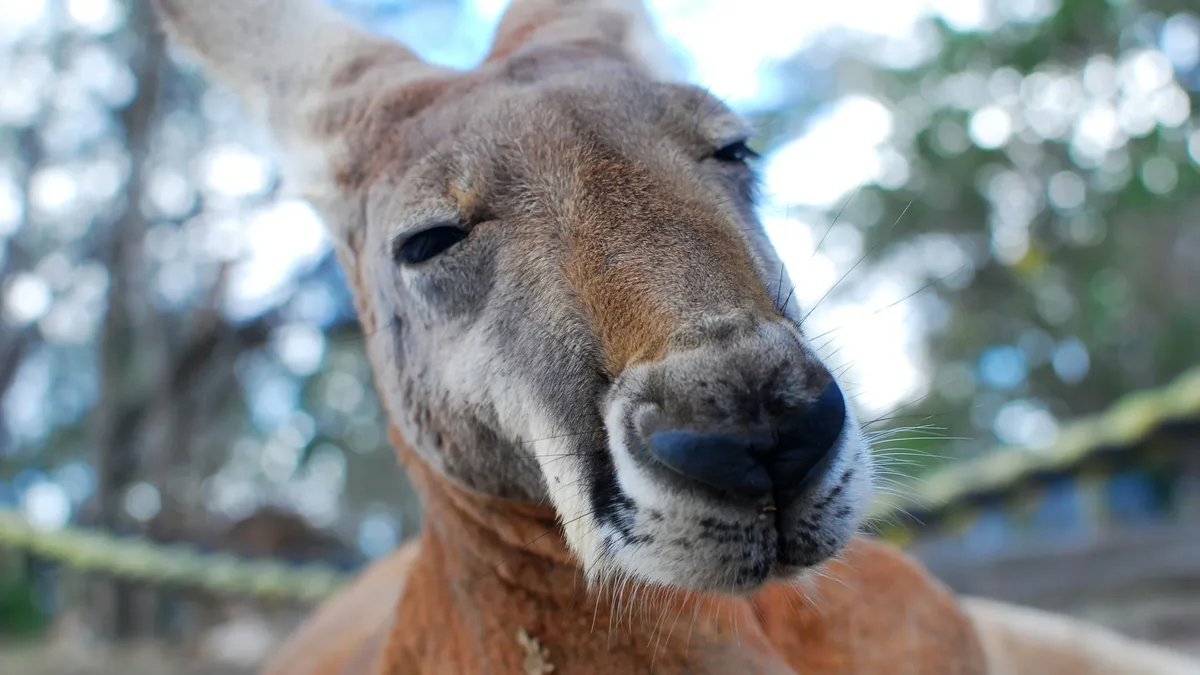
Restore, a nature restoration company, has purchased the 7,500-acre Emblehope Moor in Northumberland for £8.5 million.
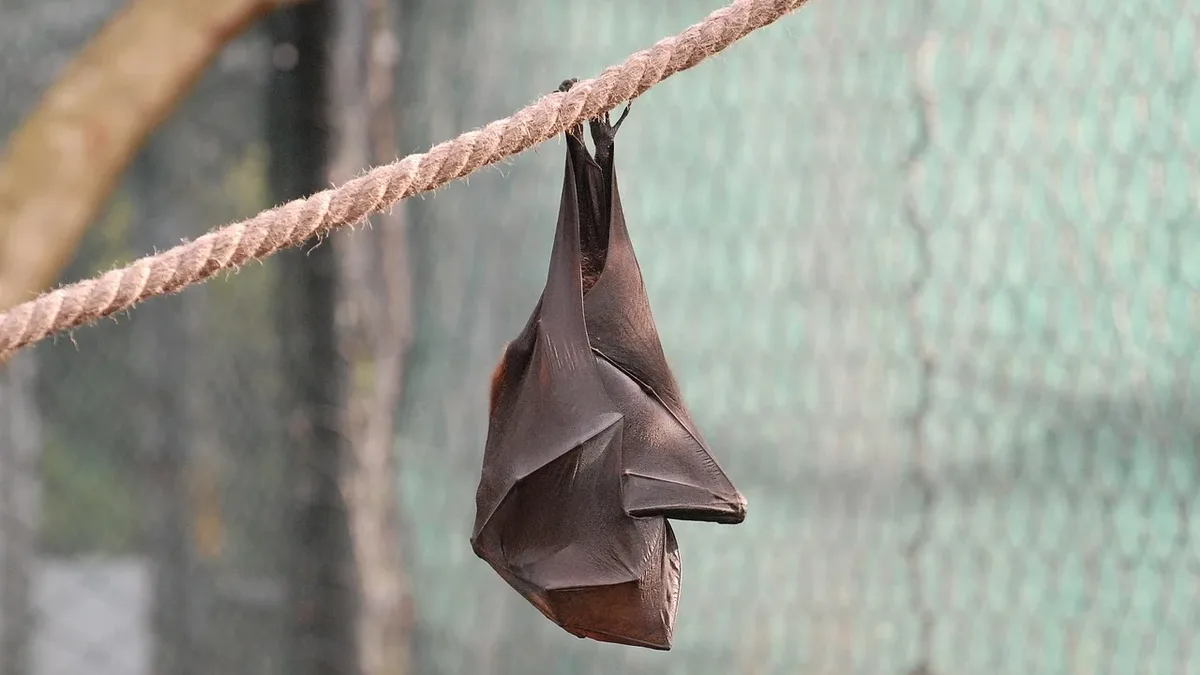
A decade of rescue data shows possums, bats, and wombats are commonly found in roofs and walls as animals seek shelter in buildings due to habitat loss.

Illegal gold mining continues in Indonesia's Aceh province, damaging protected forests.

A protected bay in Indonesia, home to a critically depleted population of humphead wrasse, faces pressure from overlapping mining permits.
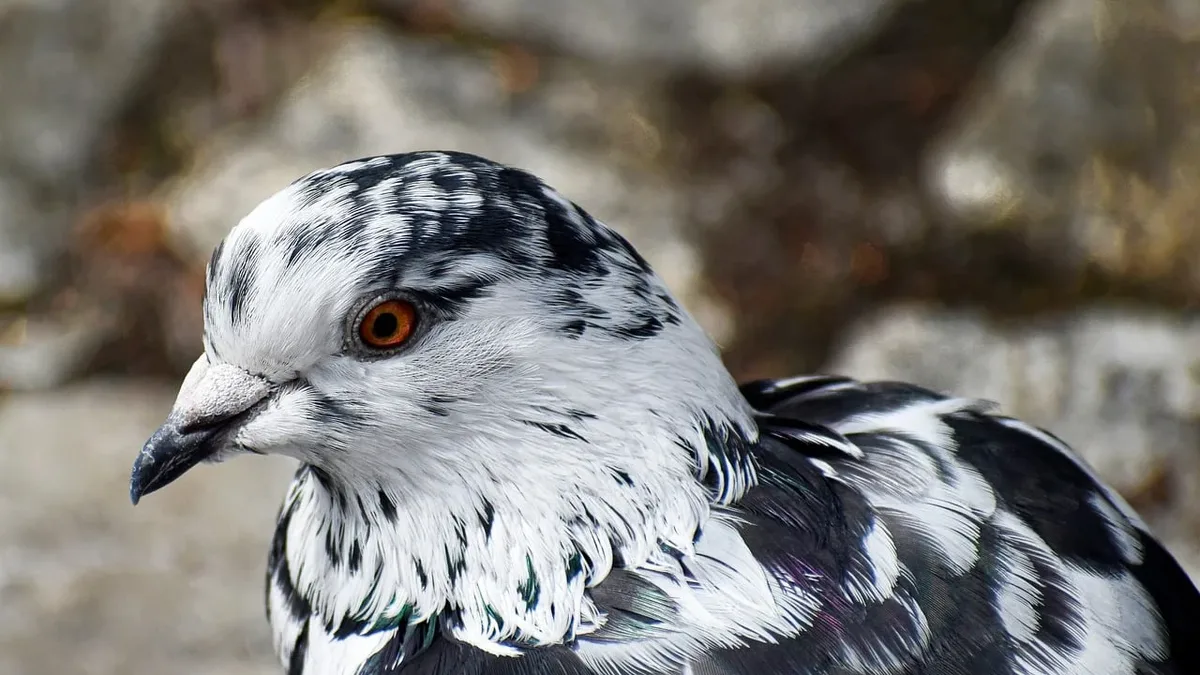
A camera trap in the Philippines has captured the first confirmed image in two decades of the critically endangered Mindoro bleeding-heart pigeon.
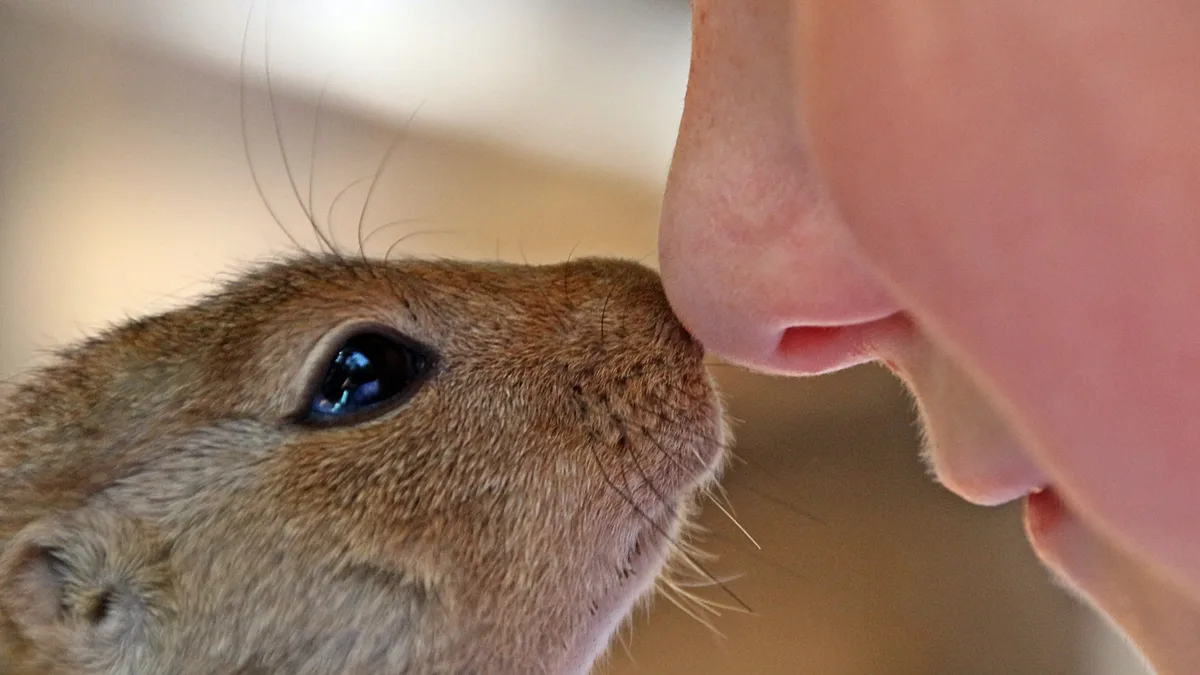
A new report finds 46 threatened oak species in Southeast and East Asia experience high human pressure across most of their range.
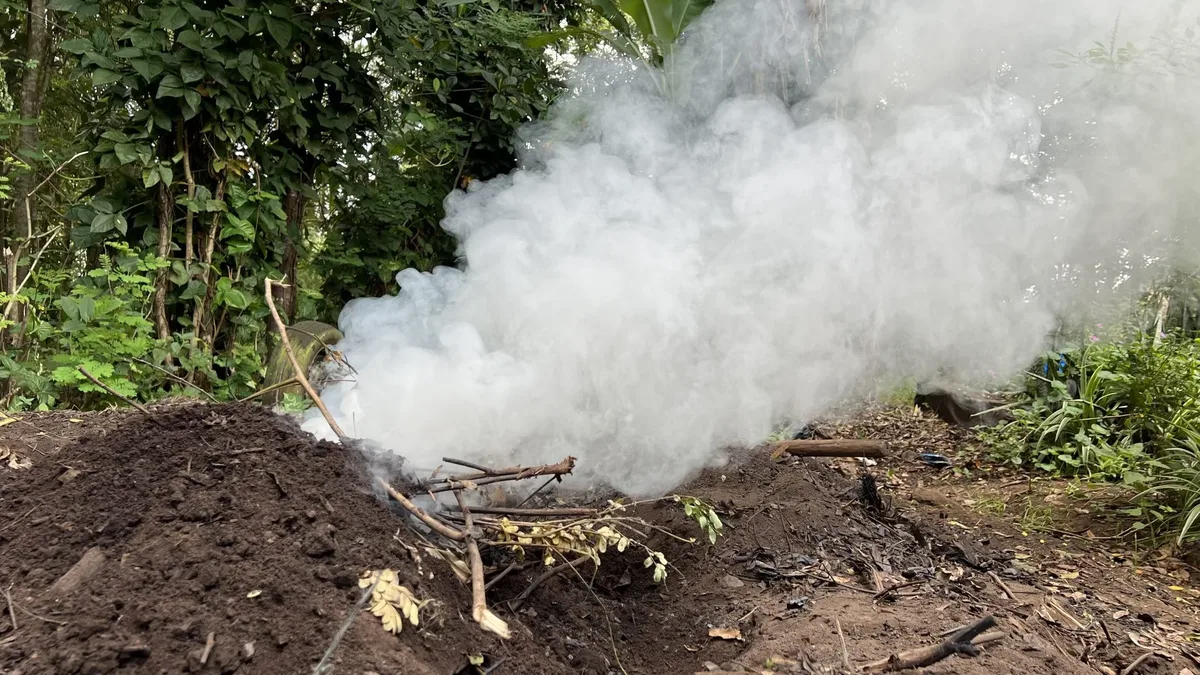
A study finds burning biomass for cooking releases toxic heavy metals into household dust in rural Bangladesh, posing health risks to children.
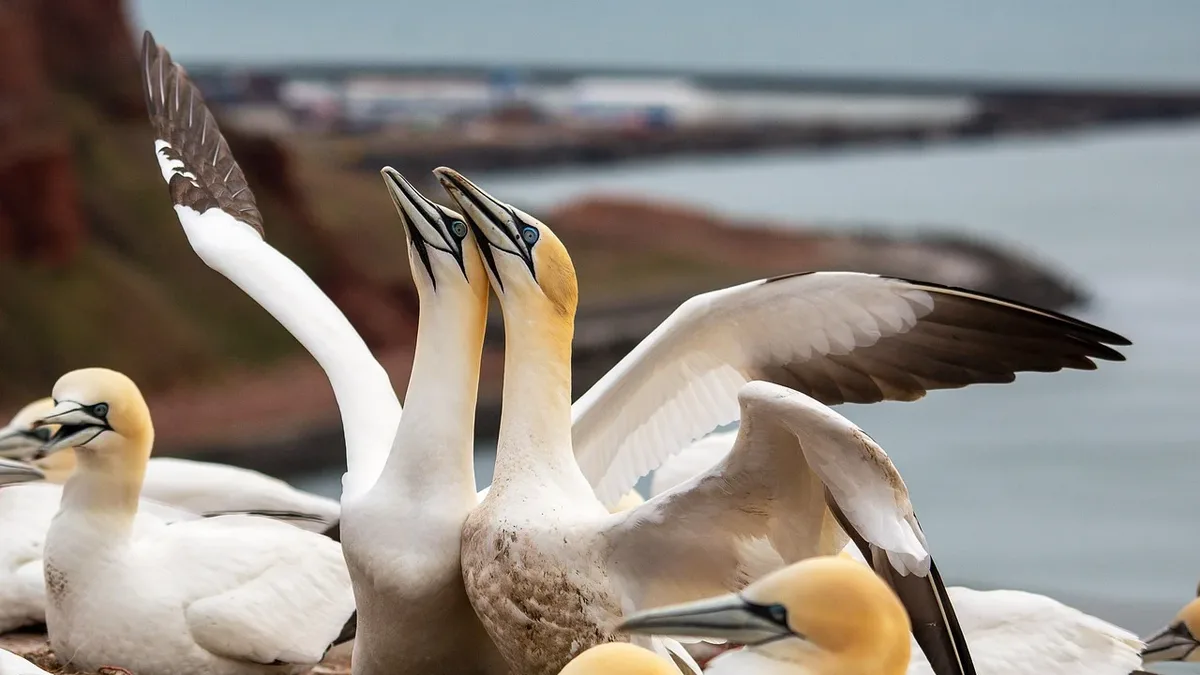
A study by the RSPB and Aarhus University finds the Bass Rock gannet colony, hit by bird flu in 2022, will need at least 15 years to recover its numbers.