Javan Rhinos Survive Volcanic Eruption in Sole Habitat
Indonesia's critically endangered Javan rhinos were unharmed by a recent volcanic eruption near their only home, Ujung Kulon National Park.
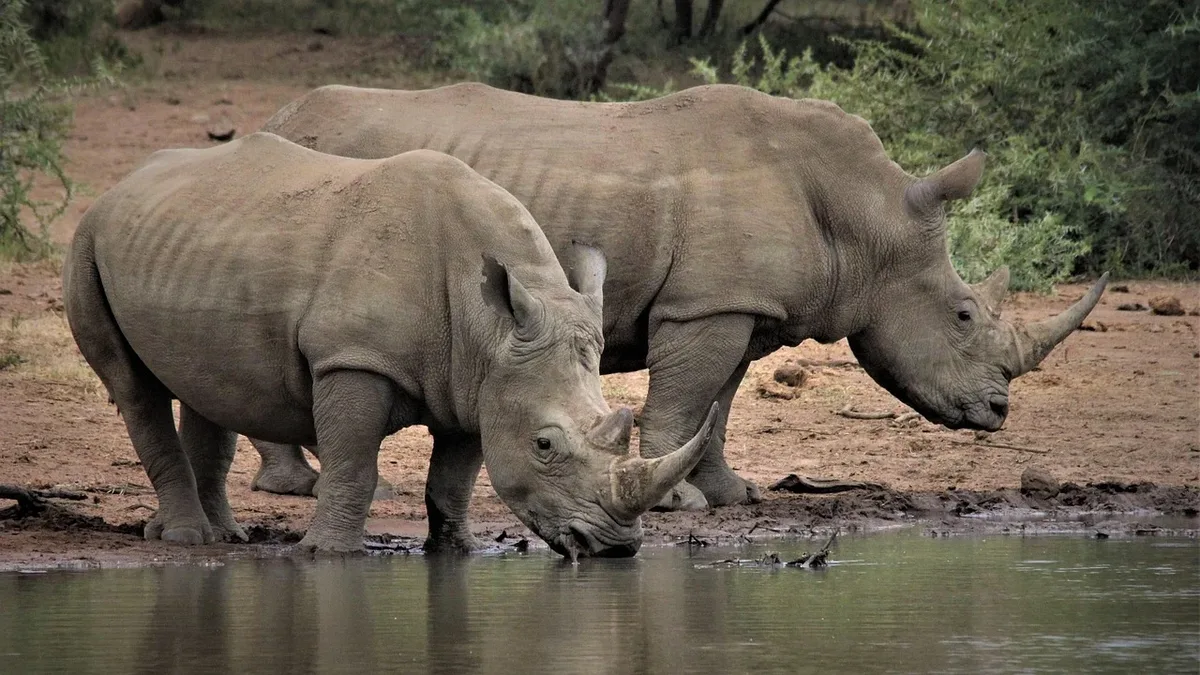
Indonesia's critically endangered Javan rhinos appear to be safe despite an ongoing eruption of Mount Anak Krakatau near their last remaining habitat. Ardi Andono, head of Ujung Kulon National Park, said on September 7 that vibrations and noise from the volcano, which began erupting on September 4, had minimal impact on the rhinos' coastal home.
"The Javan rhinos remained safe and still appear normal," Ardi told Mongabay, adding that park rangers continue to stand guard. The active volcano lies about 50 kilometers (30 miles) from the park on Java's southwestern tip.
A Disputed Population Count
The exact number of surviving Javan rhinos is unclear. Conservation group Save the Rhino estimates there are about 50. Indonesia's forestry ministry, however, puts the population at 87 to 100. The government's figures have faced scrutiny. A 2023 investigation by the Indonesian environmental group Auriga Nusantara found that rhinos not seen by camera traps for years, including some later confirmed dead, were still included in official counts.
Riszki Is Hardianto, a wildlife conservation researcher at Auriga, said he had not received reports of any rhino deaths linked to the eruption. "What's threatening the Javan rhinos is if a tsunami occurs there," he told Mongabay on September 10. The species is now confined solely to Ujung Kulon, meaning the loss of this population would result in extinction in the wild.
The Persistent Threat of Tsunamis
Tsunamis are a major threat because the rhinos live in low-lying coastal habitat. A tsunami that struck Ujung Kulon in December 2018 killed one rhino and highlighted the vulnerability of a population concentrated in a single area. The disaster renewed calls for establishing a second habitat away from tsunami-prone zones.
Conservationists have long urged Indonesia to create a second home for Javan rhinos to reduce the risk of the entire population being wiped out by disease or a natural disaster. A leading candidate, the 5,000-hectare Cikepuh wildlife reserve, was ruled too risky in 2019 because it was also used for military training. The government then focused on expanding suitable habitat within Ujung Kulon itself.
Risks of Translocation Efforts
Indonesia has begun moving individual rhinos within Ujung Kulon to manage the species' small population and limited genetic diversity. The first such translocation ended in November 2025 when a male rhino named Musofa died days after being moved. A necropsy found severe parasitic infection and chronic health problems.
Once widespread across South and Southeast Asia, the Javan rhino has lost most of its historical range to hunting and habitat loss. Its survival now depends entirely on the precarious safety of one national park.