Climate Change and El Niño Drove 2026 Indonesian Fire Crisis
Human-induced climate change made Indonesia's 2026 fire season 1.6°C hotter, combining with El Niño to create extreme drought.
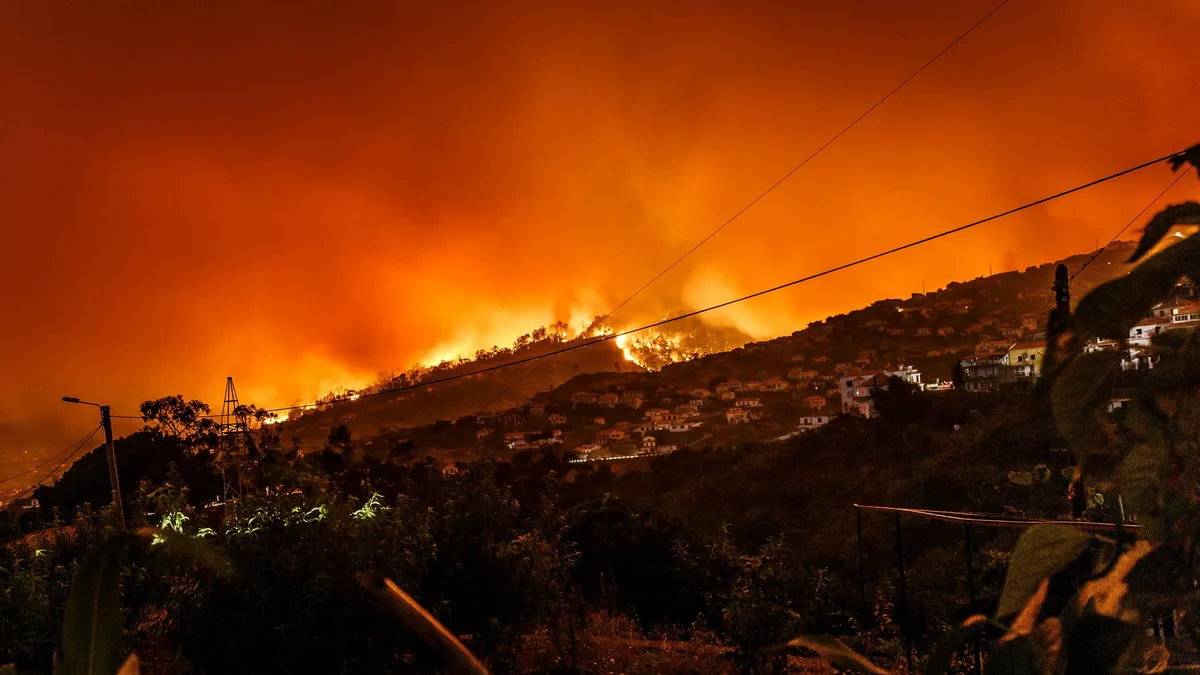
Human-induced climate change made Indonesia's 2026 fire season 1.6°C hotter than it would have been without greenhouse gas emissions. This impact, combined with an additional 0.3°C of warming from an El Niño event, created record heat and severe drought conditions between August and October that year.
Climate change made such extreme heat virtually impossible without greenhouse gas emissions. The effect tripled the likelihood of weeklong hot, dry atmospheric extremes. Climate change impacts are increasingly outweighing natural variability, especially in the temperature effects of El Niño. Weather conditions were analyzed across western Indonesia during that dry season. The El Niño effect set the stage for low rainfall and severe drought. September 2026 was Indonesia's fifth-driest September since 1991, with rainfall below normal across 84 per cent of the country.
Massive Fire Damage and Health Crisis Unfolded Across Southeast Asia
Fires swept across large parts of Indonesia, burning approximately 1.9 million hectares of peatland and rainforest. This equates to 4.7 million acres. Nearly 2.88 million hectares of Indonesian territory were affected by fires between January and October 2026. Almost one million hectares were affected in October alone. The area damaged by fires in the first three quarters of 2026 was 35 per cent larger than in the severe 2019 season.
Hazardous smoke from the fires spread across much of Southeast Asia. Toxic haze exposed 12.5 million people across the region to dangerous air pollution. In Indonesia alone, the health consequences were severe, with more than 400,000 respiratory infections occurring.
Peatland Degradation and Land Use Changes Increased Fire Vulnerability
Decades of land-use changes contributed significantly to the fires' severity. Extensive deforestation and peatland drainage made the landscape far more flammable. Drained, dried-out peatlands ignite easily and can smolder underground for weeks, making fires extremely difficult to control.
Historical forest cover loss has been dramatic. Peat swamp forest cover declined by 45% in Borneo and 63% in Sumatra between 1990 and 2010. This degradation meant the 2026 fire season occurred despite a strong El Niño being the main driver of dry conditions. The findings highlight the combined impact of climate change, prolonged dry weather and land degradation.
Fire Prevention Strategies Are Critical for Future Protection
The report shows that specific actions are essential to prevent future catastrophic haze events. Protecting intact forests is a primary recommendation. A second critical step is restoring drained peatlands to their natural, wet state. Finally, enforcing zero-burning policies for land clearing is vital.
The study was a rapid analysis conducted by researchers from the World Weather Attribution group. The findings were presented at a briefing on Friday, November 13, 2026. Co-authors included Theodore Keeping, a wildfire and extreme weather researcher at Imperial College London, and climate science professor Friederike Otto from the same institution. Pramudhian Firdaus, a meteorologist at the University of Melbourne, Australia, who also works with the Indonesian meteorological agency, contributed to the report. The essential need is to protect intact forests, restore drained peatlands, and enforce zero-burning land clearing to prevent future haze events.