River Sharks and Rays Face High Extinction Risk, Study Finds
A new study reveals that 76% of non-marine sharks and rays in the Indo-Pacific are threatened with extinction, facing threats from dams, pollution, and
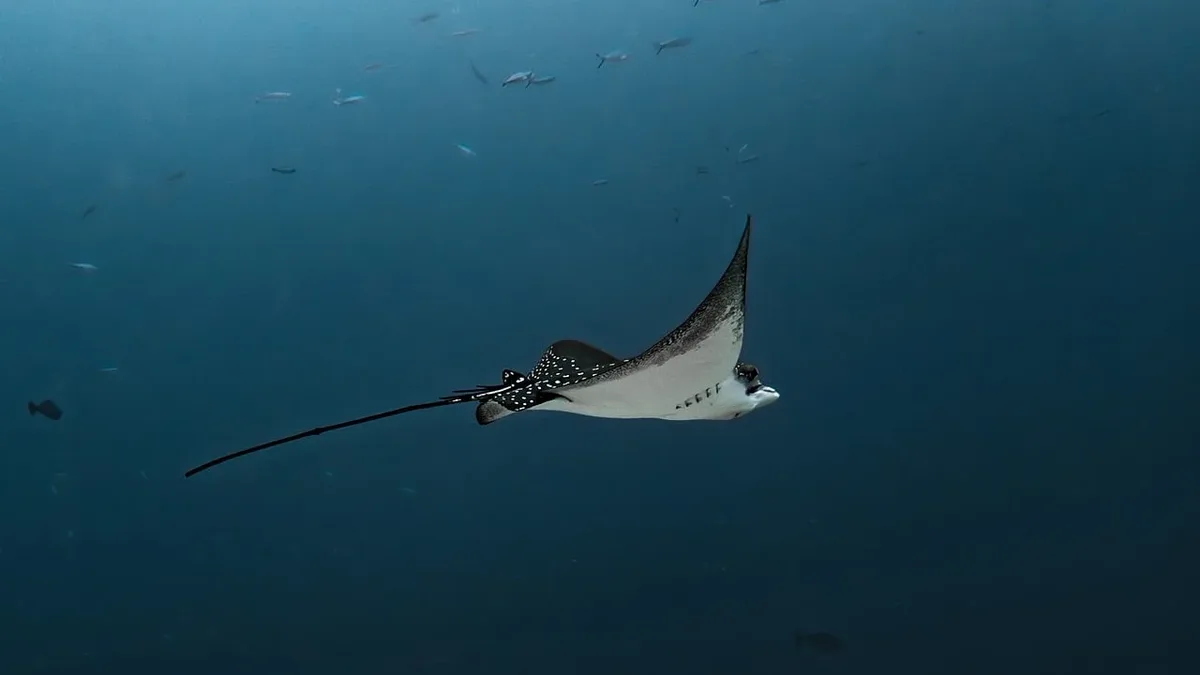
Dozens of shark and ray species living in rivers and estuaries are at a dramatically higher risk of extinction than their marine relatives. According to the International Union for Conservation of Nature (IUCN), 76% of non-marine elasmobranchs in the Indo-Pacific region are threatened, roughly double the global average for all sharks and rays.
These "forgotten fauna" inhabit heavily impacted freshwater environments. Scientists told Mongabay that dams, pollution, overfishing, and habitat loss are driving declines, with some populations vanishing before their basic ecology is understood.
A Surprise in the Vashishti River
In 2023, fishers on India's Vashishti River hauled in a gill net containing three bull sharks. Priyankar Chakraborty, an independent marine researcher, said the video that spread online marked the first documented report of sharks from that river. While bull sharks are relatively well-known, Chakraborty noted that many other river-dwelling elasmobranch species in India are known from only a handful of records, leaving major knowledge gaps.
Globally, around 60 shark and ray species spend part of their lives in inland waters. Michael Grant, a marine biologist at James Cook University, said these species have received remarkably little scientific attention despite their high threat level.
Scientists categorize these animals into two groups. "Euryhaline elasmobranchs," like the bull shark, can tolerate wide salinity shifts and move between marine and freshwater habitats. Julia Constance, a research scientist at Charles Darwin University, explained that some can complete much of their life cycle in freshwater, but adults often depend on coastal seas.
The second group are "obligate freshwater elasmobranchs," which spend their entire lives in rivers and lakes. This group contains no sharks, only rays. It is dominated by South America's Potamotrygonidae stingray family, with other freshwater stingrays found in the Indo-Pacific and West Africa.
Constance led a global review that found basic ecological data for many species is missing. "Many of these species inhabit remote rivers and floodplains that are difficult and costly to study," she said. As a result, some of the world's most threatened sharks and rays remain among the least understood.
South America's 'River Jewels' Under Pressure
South America's river basins host a striking diversity of endemic freshwater stingrays, often called "river jewels" for their vivid patterns. Brazilian biologist Patricia Charvet, speaking at a 2026 conference, warned these ecosystems are extremely fragile. Many species are restricted to single basins and have slow growth and low reproductive rates, making them highly vulnerable.
Threats are varied. Hydropower dams fragment habitats and alter river flows. The aquarium trade targets species like the white-blotched river stingray from Brazil's Xingu River. "In many cases, both adults and juveniles are exploited," Charvet said. Climate change adds further uncertainty, potentially disrupting breeding cycles timed to seasonal floods.
New Insights from Tracking
Recent research is revealing unexpected behaviors. In Argentina, scientists tracking a giant freshwater stingray recorded an individual moving over 170 kilometers in the Paraná-Paraguay river system. Researcher Luis Lucifora said this suggests the rays are far more mobile than assumed. The juvenile female traveled, on average, more than half a kilometer per day over ten months.
Lucifora noted this mobility has major conservation implications. If species rely on connectivity across long river stretches, dams could affect populations at a much larger scale than previously thought. Scientists argue that neglecting these unique creatures could lead to irreversible loss. Constance emphasized the urgency: "We need to ensure we do not lose them, because no other species can do what they do."