Rescuers race to save orangutans from fires in Indonesian
Conservationists are battling difficult conditions to rescue orangutans from a fire-ravaged forest inside an oil palm concession in West Kalimantan, with
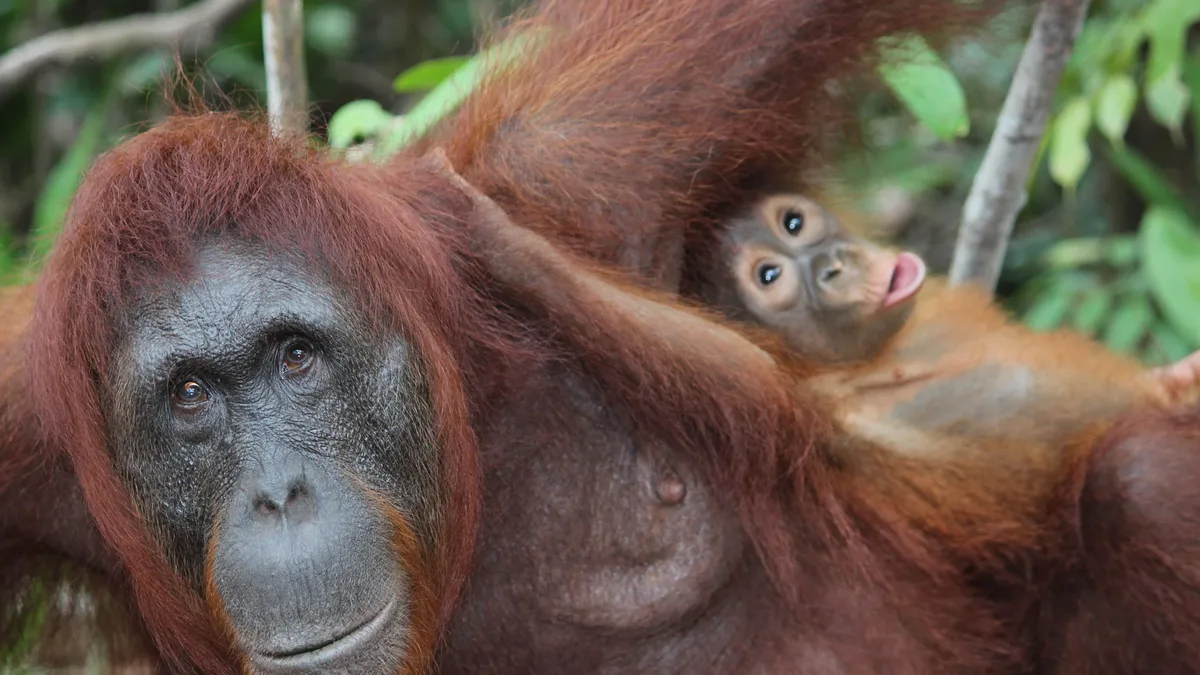
Conservationists are racing to rescue orangutans from a fire-damaged peat-swamp forest inside an oil palm concession in West Kalimantan. A team from the NGO Yayasan International Animal Rescue Indonesia (YIARI) has saved five orangutans and located six others still awaiting rescue in the 657-hectare High Conservation Value (HCV) area.
Fallen tree trunks, lingering smoke, and dangerously hot ground are hampering the operation. YIARI spokesperson Heribertus Suciadi said the team began searching on September 14. "The area was still burning, and smoke was still rising," he told Mongabay. "Visibility was poor, and the ground was still dangerously hot, so the team had to be extra careful."
The Rescue Operation
The rescue team faced immediate obstacles. On the first day, security personnel at the PT Kayung Agro Lestari (KAL) concession prevented them from entering for several hours. They were finally allowed in around 2 p.m. And managed to rescue one young orangutan that afternoon. Two days later, on September 16, the team rescued four more orangutans and located the six individuals still in the forest.
Heribertus said the plan is to rescue all remaining animals because conditions have become severe. The difficult, fire-scarred terrain makes tracking and safe extraction a major challenge. The HCV area has been almost completely burned, according to satellite analysis by technology consultancy TheTreeMap.
Assessing the Habitat and Population
Biologist Erik Meijaard, who worked with KAL to protect its orangutan populations, provided population estimates for the affected areas. The larger of two HCV areas in the concession, covering 2,330 hectares, once supported an estimated 200 orangutans. The smaller, 657-hectare area that is the current focus of rescues supported an estimated 50 to 60 orangutans in 2019.
Satellite imagery suggests nearly all of the 657-hectare area has been affected by fire. Meijaard also indicated that at least half of the larger 2,330-hectare HCV area has been burned. He expressed doubt about the forest's ability to recover.
| Conservation Area | Size (Hectares) | Pre-fire Orangutan Estimate | Fire Impact According to Satellite Imagery |
|---|---|---|---|
| HCV Area 1 | 657 | 50-60 (2019) | Nearly all affected |
| HCV Area 2 | 2,330 | ~200 | At least half affected |
Company Policy and Certification Questions
The concession owner, First Resources, states it enforces a strict "zero-burning policy" across all planting activities. However, Meijaard noted that fires were rare in the past when the company paid local villages to maintain a zero-burning arrangement. He suggested the current fires may be a result of that payment system stopping after First Resources acquired the plantation assets in March 2025.
PT KAL has been certified by the Roundtable on Sustainable Palm Oil (RSPO) since 2019. David Gaveau, founder of TheTreeMap, said the certification should have protected the orangutan habitat. "Yet much of the HCV forest has now burned," he said. Gaveau called for an urgent independent investigation and suggested the RSPO certification should be suspended pending its outcome.
Broader Dangers from Fires
The rescue effort occurs amid raise fire risks across Indonesia linked to a strengthening El Niño climate pattern. The dangers were highlighted by the recent death of an adult male orangutan named Sampurna. Found near an oil palm plantation in Ketapang on August 30, Sampurna was evacuated to a YIARI rehabilitation center but died hours later. YIARI veterinarian Komara said the animal showed symptoms associated with severe smoke exposure, which can cause respiratory distress and oxygen deficiency in orangutans.