Artificial Island Revives Maryland's Common Tern Population
A floating raft and island restoration in Ocean City have led to a major recovery of the threatened Common Tern, with 460 nests recorded in 2026.
Biologists documented 460 Common Tern nests in Maryland's coastal bays during the 2026 breeding season. This is the strongest coastal breeding population the state has seen in decades, representing a dramatic increase from just 30 nesting pairs five years ago.
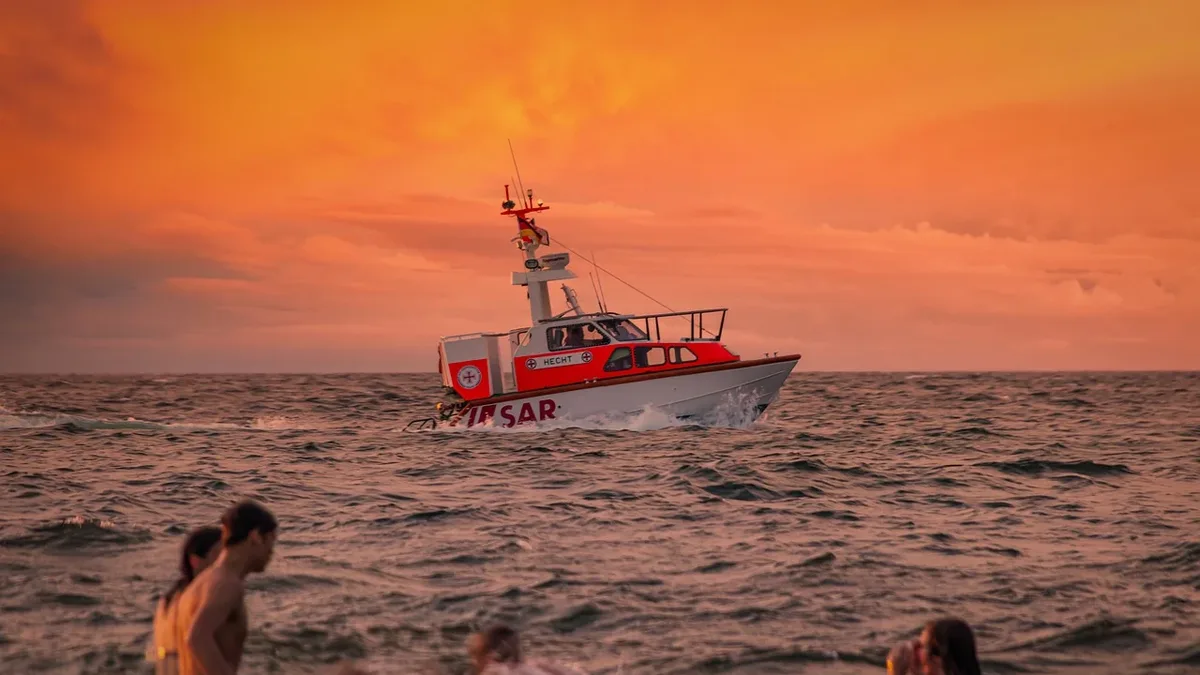
The rebound is credited to a team from the Maryland Department of Natural Resources (DNR) Wildlife and Heritage Service and the Maryland Coastal Bays Program, with support from Audubon Mid-Atlantic. They installed a specialized floating wooden raft in 2020 to mimic lost nesting habitat. Dave Brinker, an Avian Conservation Ecologist with DNR's Natural Heritage Program, stated the project's success. "We have recovered the coastal Common Tern breeding population in Maryland to where we were back in the early 2000s," Brinker said. "The problem has been a lack of nesting habitat, and we are restoring that for the birds."
Historic Decline and Habitat Loss
For generations, coastal islands provided ideal nesting grounds. Decades of erosion, intensifying storms, and human disturbance destroyed these fragile habitats. The Common Tern's population mirrored that decline.
Over several decades, Maryland's Common Tern population fell by as much as 95%. More than 1,200 nests were recorded in the Coastal Bays in the late 1980s and early 1990s. By 2020, fewer than 30 nests remained, raising fears of local extinction.
The Artificial Island Solution
The conservation response was a floating raft designed to protect the birds from flooding and predators. It worked immediately. In its first season, 23 nests on the raft produced 22 chicks. The birds have shown strong site fidelity, returning to the raft year after year.
Kim Abplanalp, Bird Habitat Coordinator at the Maryland Coastal Bays Program, explained the terns' behavior. Give them a plot of land and they’ll use it, Abplanalp said. Terns are highly social, they want to be where the numbers are.
The project's success is shown in the nesting numbers for the 2026 season.
| Location | Number of Nests |
|---|---|
| Floating Raft | 376 |
| Restored Reedy Island | 84 |
| Total Nests | 460 |
Expanding the Recovery
The effort has grown beyond the initial raft. Habitat restoration at Reedy Beach and West Reedy Island in Isle of Wight Bay has created a second natural nesting colony. Researchers have documented birds that hatched on the raft establishing nests on these restored islands.
The raft also connects Maryland to hemispheric conservation. Terns banded by Abplanalp's team have been resighted during winter months as far away as Punta Rasa, Argentina.
While successful, the raft is not considered a permanent solution. The long-term goal remains the restoration of the natural sand islands in the Coastal Bays. The raft itself is now attracting other species. Royal Terns have nested there in small numbers. This season, Roseate Terns, Gull-billed Terns, and Sandwich Terns were spotted roosting on the platform.
For now, the artificial structure offers a critical lifeline. It provides a working model for habitat recovery and hope that the coastal ecosystem can once again sustain thriving tern populations.