Manx shearwaters suffer jet lag during eastward migration
A 20-year GPS study of over 1,000 Manx shearwaters reveals eastward flights disrupt their internal clocks, causing navigational errors that add distance to their journeys.

GPS tracking of 1,045 Manx shearwaters over 20 years shows eastward migration causes internal clock misalignment leading to navigation errors. The study, published in BBC Wildlife Magazine, analyzed 3,688 foraging trips and found that flying east across longitude lines can leave the birds' internal clocks running up to an hour behind local time. This mismatch causes them to drift off course.
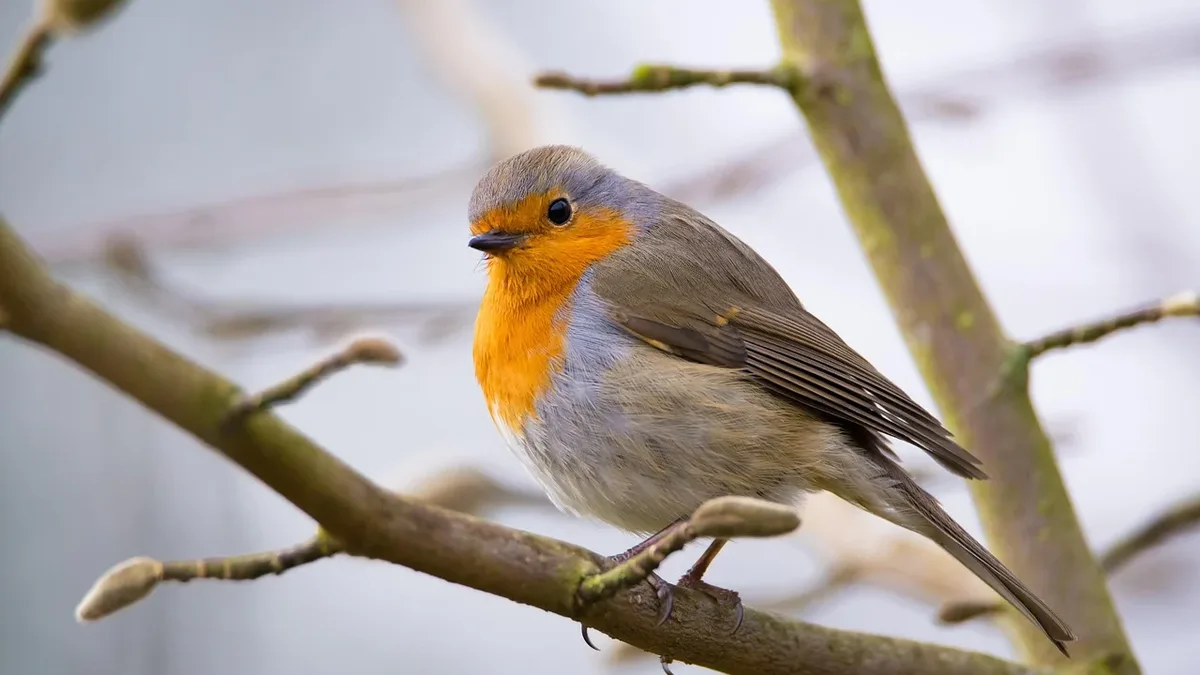
Manx shearwaters are seabirds that forage over the Atlantic and return to breed in burrows on islands off the western coasts of the UK and Ireland. They can travel up to 1,000km west of their colonies. The return eastward journey is where the trouble begins.
How jet lag causes navigation errors
Internal clock misalignment from sun position mismatches makes birds drift off course despite following coastlines. The birds use a sun compass for navigation. When their internal time does not match the sun's position, their calculated direction is wrong.
Dr Patrick Lewin, the University of Oxford behavioural and sensory ecologist who led the study, explained the core problem. "The bird’s internal clock can be subject to a jet lag phenomenon, manifesting as birds flying off course."
Errors reached around 15 degrees and persisted even when the birds were flying along visible coastlines. This proved the errors stemmed from sun compass inaccuracies, not from misreading magnetic fields.
Impact on journey distances
Navigation errors add calculated distances to migration routes, with adult birds experiencing 5km extra travel per 1,000km. After veering off by about 15 degrees, adult shearwaters correct their course. This detour adds an estimated 3 miles to a standard 600-mile journey.
For inexperienced birds, the consequences are more severe. First-time foragers, lacking a learned map sense, were at a much higher risk of flying off course by hundreds of miles.
Scientific significance confirmed
An independent expert has validated these wild field findings against laboratory observations of animal navigation. Prof Richard Holland of Bangor University, who was not involved in the study, called the finding significant. It confirms in wild animals what had previously been observed mainly in lab settings.
The research quantifies the cost of this natural navigational glitch. Dr Lewin provided the final calculation. "For adult shearwaters, this lag has very limited impact on their overall journey, with errors adding a calculated 5km to a 1,000km journey."