North Atlantic right whale census shows 2025 decline
The North Atlantic right whale population fell to 382 in 2025, a 1.8% drop, despite a record calving season of 24 new calves.
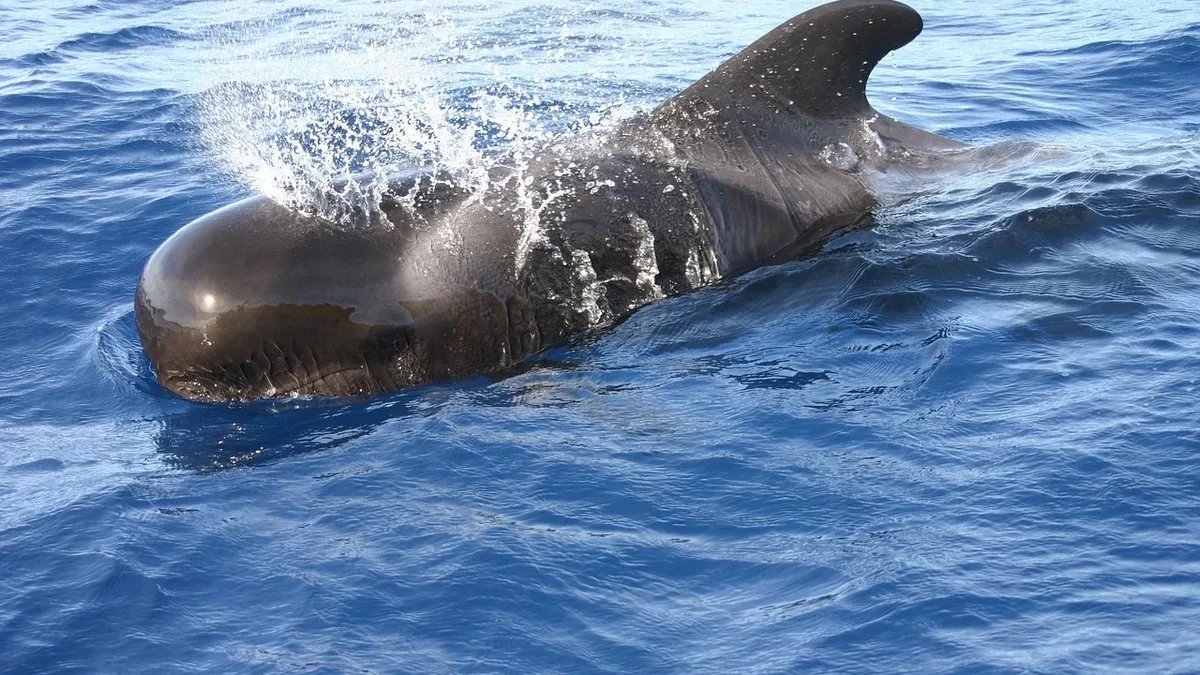
The North Atlantic right whale census reveals a continued decline for the critically endangered species. The 2025 count found 382 whales, a 1.8% drop from the previous year's total of 389. This decline occurred even as 24 new calves were born, the highest number since 2009, and the number of reproductive-age females held steady at 73. Three new mothers were recorded in the same season.
Threats from human activities
Human activities remain the overwhelming threat to the species' survival. More than 85% of North Atlantic right whales have been entangled in fishing gear at least once. About 60% have suffered through multiple entanglements. Ship strikes are another leading cause of death, causing blunt force trauma or deep lacerations from boat propellers. Human-generated ocean noise adds to the crisis by interfering with right whale communication. This noise increases stress and hinders their movement.
Between 2017 and 2026, human activities caused devastating losses. 43 whales were reported dead, 41 were seriously injured, and 92 were injured or in poor health.
2026 mortality and regulatory challenges
Two confirmed right whale deaths were reported in 2026. One was a 4-year-old male named Division, who was caught in fishing gear and monitored via telemetry since a partial disentanglement in December 2025. He was confirmed dead on January 27, 2026. The other was a 3-year-old female named Porcia, the 2023 calf of right whale #3293, found dead on February 10, 2026; her cause of death is unknown. That year also saw seven reported entanglements and one ship strike as injuries.
These incidents are part of an ongoing Unusual Mortality Event declared in 2017, which now includes 177 individuals. Of those, 43 have died, 42 are seriously injured, and 92 are sublethally injured or ill. The primary causes are entanglements in fishing gear and vessel strikes in U.S. and Canadian waters.
Conservation efforts and setbacks
Regulatory efforts to protect the whales face significant uncertainty. In 2026, the U.S. House of Representatives passed H.R.9436, a bill that would delay new regulations on lobster and crab fishing gear from 2028 to 2035. Also in March 2026, the National Oceanic and Atmospheric Administration issued a notice of intent to amend vessel speed restrictions in the North Atlantic, aiming to reduce regulatory and economic burdens. These moves raised concerns. Canadian officials expressed internal worries in May 2026 about the potential impact of U.S. regulatory rollbacks on right whale conservation.
Further legislative change occurred in July 2026 when the U.S. Endangered Species Act was amended to remove habitat destruction from the definition of 'harm'.
Ongoing entanglements
New entanglements continue to be documented, adding to the mortality event. A 5-year-old male whale, #5192, was documented entangled in the Gulf of St. Lawrence on June 8, 2026. This was later identified as a 2022 morbidity injury from a prior entanglement and classified as a 'serious injury'. The 2025 calf of right whale #2460, named Monarch, was entangled by gear from a lobster trap in Massachusetts state waters. That entanglement was classified as a 'serious injury' and the whale was still entangled as of April 16, 2026.
Heather Pettis reflected on the situation, saying, "seeing [the decline] is really disappointing."
The fate of one whale shows the persistent danger. An unidentified entangled right whale was photographed near Bradelle Bank on October 21, 2026, and added as the 177th whale in the Unusual Mortality Event. It was determined to have a 'serious injury' and is likely to die without intervention.