Borneo wildfires in 2026 overwhelm orangutan rescue teams
Wildfires fueled by El Niño are threatening Bornean orangutans with local extinction, with over 100 animals rescued so far.
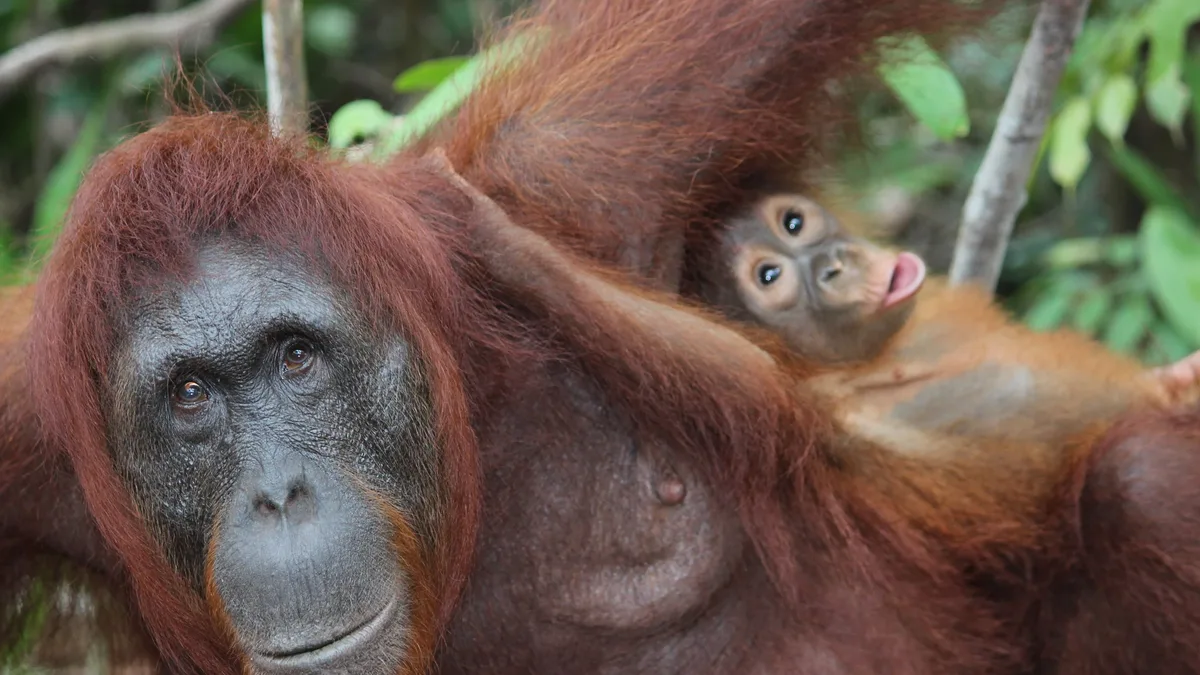
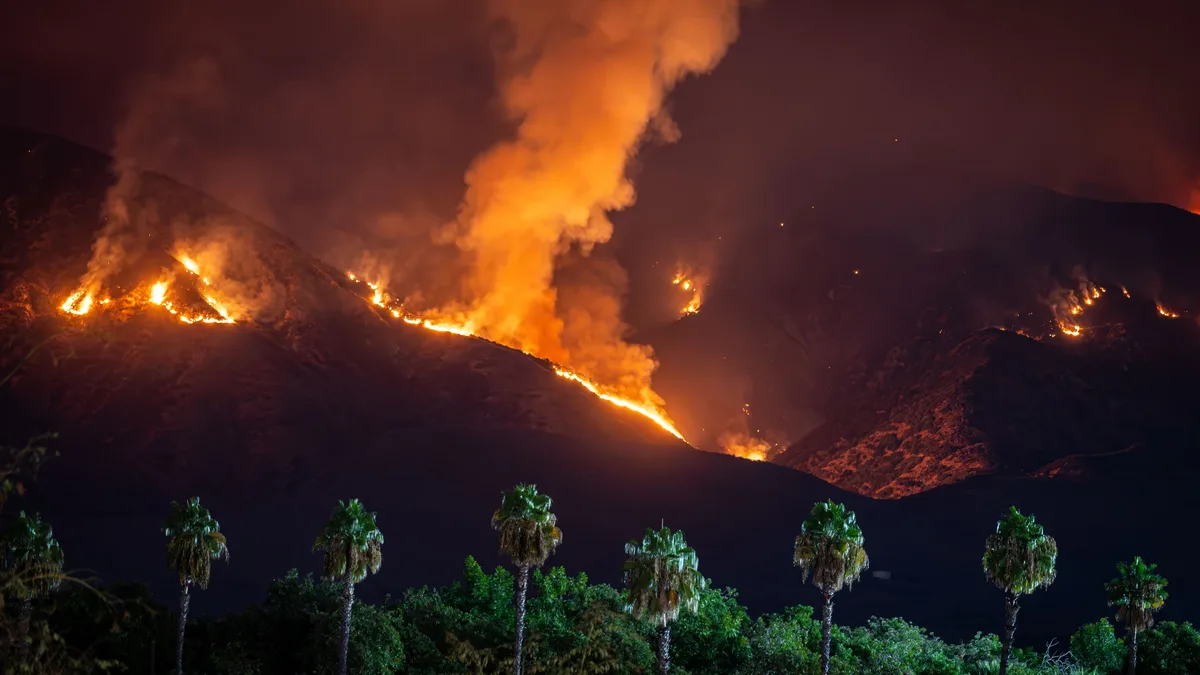
Over 100 wildlife, including 53 Bornean orangutans, have been rescued from spreading wildfires across Indonesia as of September 22. The blazes, boost by El Niño, are ravaging Borneo's peatlands and rainforests, threatening survival and overwhelming rescue operations.
An approximately four-year-old orangutan named Novita was found trapped in a burning area near Sebangau National Park in Central Kalimantan with serious burns on all four hands and feet. She was taken to a rehabilitation center for treatment. In July, fires approached within 100 meters of a YIARI facility in West Kalimantan housing more than 60 rehabilitating orangutans. At a BOS Foundation facility in Central Kalimantan, 21 orangutans have shown respiratory symptoms like coughing and sneezing. Another pair, Mama Abu and her eight-month-old baby Abu, were saved last month from an oil palm estate. Mama Abu’s hands were peeling from walking on torched ground, and baby Abu was dehydrated and thin.
Fires ravage key orangutan habitats and research sites
Flames have reached within hundreds of meters of major orangutan research stations and rehabilitation centers, endangering both wild and captive populations. The fires are occurring in habitat containing 70% of the population of the Central Bornean orangutan subspecies. More than 4,500 hectares had burned in Tanjung Puting National Park by September 13.
| Location | Fire Proximity or Impact |
|---|---|
| Rangkong Research Station, Gunung Palung National Park | Within 200 meters in September |
| Tuanan Orangutan Research Station | Within 150 meters in September |
| PT Kayung Agro Lestari (KAL) palm oil plantation | Burned inside in 2026; home to ~60 orangutans |
First Resources, the Singapore-listed parent company of KAL, stated it enforces a zero-burning policy and operates an integrated fire-management program. In September, one adult male orangutan found severely weakened and struggling to breathe in an oil palm plantation died despite emergency treatment; examination indicated smoke exposure caused acute oxygen deprivation.
Long-term threats to survival from fire and smoke
Beyond immediate injuries, fires degrade habitat for years and expose orangutans to smoke-related health crises that reduce energy and reproduction. Compared with unburned forest, burned areas can experience a 58% to 98% decline in habitat structure, tree density and canopy cover. Some features like canopy height may improve within a decade, but tree diversity remains suppressed even 12 years after burning.
Smoke exposure has been linked to a 2.5-fold increase in hookworm infection intensity in wild Bornean orangutans. High parasitic loads can cause severe anemia and weakness. During haze, orangutans rest more to conserve energy but still show signs of increased fat breakdown. Fire-damaged forest increases the energetic cost of moving through the canopy. This energy crisis, when food-producing trees are destroyed, could lead to a decline in reproduction.
Human activity and policy failures fuel the crisis
Fires are linked to plantation expansion, peatland drainage, and weak enforcement. Almost half of all wild orangutans live in unprotected forests managed for timber or as High Conservation Value areas. Fire is often used to clear land for plantations. Vast peatland areas, which should be waterlogged, have been drained by industrial agriculture, making them extremely hard to extinguish as they smoulder underground.
The concession managed by PT Mohairson Pawan Khatulistiwa (Mopakha) in West Kalimantan, spanning 36,973 hectares, is home to more than 660 orangutans. In 2026, fires have burned at least 1,800 hectares in this concession. The government froze the company's license in August, citing repeated burning. This followed a 2017 sanction over the construction of canals in peatlands within the concession. Habitat containing 52% of the total Bornean orangutan population is affected by fires.
Global experts call for urgent international support
The IUCN SSC Primate Specialist Group warns thousands of orangutans could be killed, injured or displaced. It recognizes the extraordinary efforts of frontline responders but calls for greater technical and financial support from the international community. The aid is needed to strengthen firefighting, protect teams, support affected communities and wildlife, and prevent further spread into irreplaceable forests.
Fires have also spread into habitats of five gibbon species, all listed as endangered. Over recent months, 4,500 fires were detected across 21 Sumatran elephant habitats. Veterinarian Karmele Llano Sanchez, co-founder of YIARI, rescues orangutans from torched forests. "I believe that the toll on wild animals being burned, dead, because of the fires is huge," Sanchez said. Even survivors face long-term consequences.
With fires expected to continue until rains return in late October or November, the government continues to deploy 64 aircraft and over 54,000 personnel to combat them.