UNESCO World Heritage status boosts bird
South Sudan’s Boma and Badingilo national parks, renowned for antelope migrations, are now a UNESCO World Heritage Site, offering hope for bird

South Sudan’s Boma and Badingilo national parks are best known for massive antelope herds that migrate annually, but they also host critical bird habitats including resident shoebills and seasonal migrants.
The onset of April rains triggers a spectacular avian display, with storks appearing in such numbers they resemble flying insects, as noted by African Parks conservation manager Megan Claase.
African openbills (Anastomus lamelligerus) and Abdim’s storks (Ciconia abdimii) gather in vast flocks during the rains, benefiting from termite alate blooms that emerge from holes and provide abundant food.
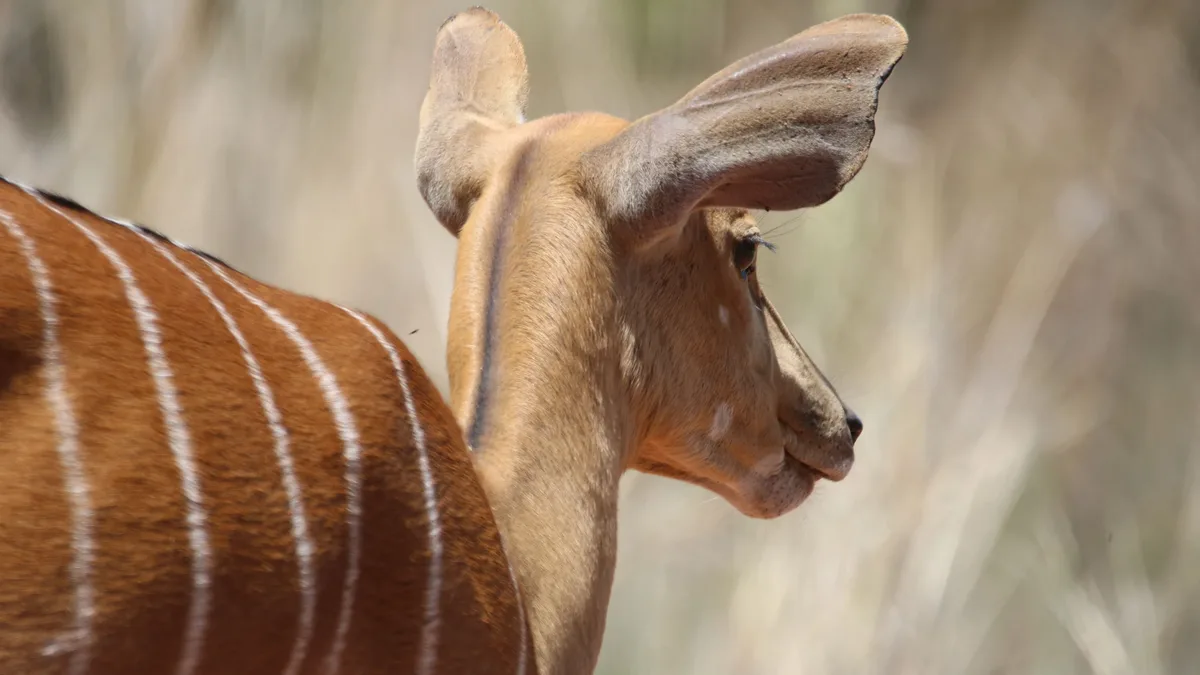
The parks form part of Africa’s largest intact savanna system, spanning an area comparable to North Korea and supporting an estimated 6 million antelopes including white-eared kob and Mongalla gazelle.
UNESCO World Heritage status was granted in July 2026, aiming to raise the parks’ profile and attract investment for biodiversity conservation.
The listing specifically benefits migratory birds like openbills and Abdim’s storks, which use South Sudan as a staging area during northward journeys to Sahel breeding sites.
Ornithologist Jonah Gula of the University of KwaZulu-Natal notes that openbill populations in South Sudan fluctuate dramatically between seasons, with migration origins remaining unclear despite surveys from 1979-1981.
The Sudd wetland, a Ramsar-listed floodplain northwest of the parks, supports 470 bird species including vulnerable shoebills (Balaeniceps rex), which have been observed in healthy numbers across South Sudan and neighboring Gambella National Park.
Claase reports seeing up to 40 shoebills in a single flight over Goum swamp, while woodland kingfishers (Halcyon senegalensis) arrive in April, tracking the intertropical convergence zone’s seasonal movements.
Tracking data from 2016-2019 shows South African woodland kingfishers travel over 4,000 km to South Sudan before returning to Limpopo nesting sites, with evidence suggesting they may also use Boma-Badingilo as stopover points.
Researcher Dayo Osinubi of the University of KwaZulu-Natal emphasizes the need for more detailed tracking to map precise connections between South Sudan and southern African sites.
Mark van Niekerk of the International Crane Foundation plans satellite tracking of black crowned cranes (Balearica pavonina) from Chad’s Zakouma National Park to determine if they migrate to South Sudan for breeding.
Van Niekerk states that conserving large, contiguous landscapes is essential since birds are mobile, welcoming the World Heritage designation as critical for protecting migratory species.
The Boma-Badingilo ecosystem’s interconnected wetlands, swamps, woodlands, and grasslands create ideal conditions for diverse birdlife, with satellite imagery now identifying vulture breeding colonies through their droppings.
Key Bird Species and Habitats
The parks support resident species like shoebills, classified as vulnerable due to rarity, hunting, and habitat loss across their range.
Shoebills have been recorded in healthy numbers in South Sudan’s Sudd wetland, Goum swamp, northern Boma, and Gambella National Park in Ethiopia.
African openbills and Abdim’s storks form massive flocks during seasonal rains, with openbills feeding on snails and mollusks using their distinctive bill gaps.
Woodland kingfishers follow the intertropical convergence zone’s north-south shifts, which bring insects, snakes, and frogs that form their primary food source.
Research and Tracking Efforts
Ecologist Dayo Osinubi’s team attached tracking devices to 20 woodland kingfishers in South Africa’s Limpopo province between 2016-2019, retrieving data from five devices.
The tracked kingfishers completed round-trip journeys exceeding 4,000 km, with evidence suggesting they may also use Boma-Badingilo as stopover points during migration.
Ornithologist Jonah Gula notes that openbill populations in South Sudan show extreme seasonal fluctuations, with migration origins still unidentified despite historical surveys.
Mark van Niekerk’s International Crane Foundation plans satellite tracking of black crowned cranes from Chad’s Zakouma National Park to verify breeding movements in South Sudan.
Conservation Significance
UNESCO status aims to raise the parks’ profile and encourage investment in conservation efforts.
Conservationists hope the designation will strengthen protection for migratory birds using the region as a critical staging area.
Van Niekerk emphasizes that large-scale landscape conservation is vital since birds traverse vast distances across Africa.
The interconnected ecosystem of wetlands, swamps, and savannas supports both antelope herds and diverse bird populations.
Satellite imagery now identifies vulture breeding colonies through droppings.
Ongoing Research Needs
Researchers stress the need for expanded aerial surveys and community-based conservation partnerships to fill knowledge gaps.
Osinubi calls for more precise tracking to map connections between South Sudan and southern African breeding sites.
The mystery of openbill migration routes remains unsolved, requiring further study to understand their seasonal movements.
The Sudd’s Ramsar-recognized floodplains continue to provide essential habitat for elephants, gazelles, and 470 bird species.
Ecological Interdependence
The rainy season triggers termite alate emergences that feed storks and other birds.
Abundant invertebrates like snails and mollusks support openbill feeding, while the ITCZ’s seasonal shifts sustain kingfisher foraging.
The vast savanna system underpins the entire ecological network, sustaining 6 million antelopes and the birds that depend on the landscape.
This interconnectedness makes the UNESCO designation a potential catalyst for sustained conservation success.