Author's rescued bumblebee queen goes viral
Gilly McArthur rescued a buff-tailed bumblebee queen with a broken wing 52 days ago. The bee, named Phoebee, has since gained a global online following, sparking conversation about bee conservation.
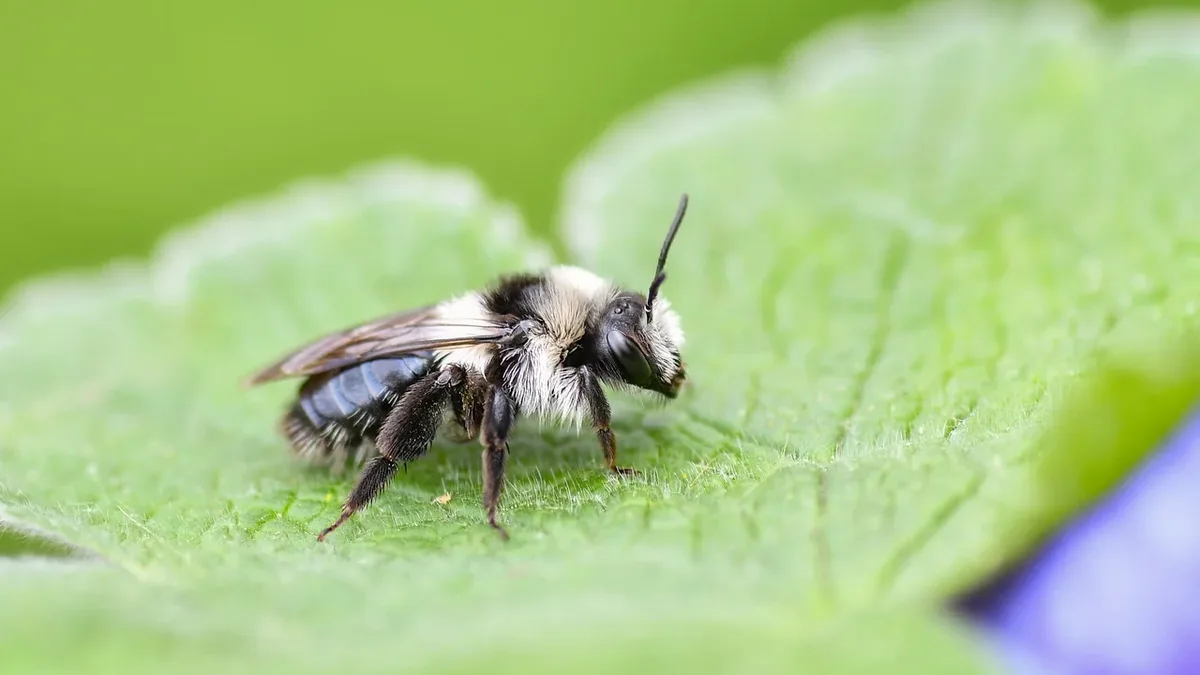
Fifty-two days ago, author Gilly McArthur found a bee with a broken wing by a roadside. She took the insect home, named her Phoebee, and has been caring for her since.
McArthur did not expect the bee to survive. She created a flower bed for her. "I thought she'd be dead in a day or so," McArthur said. Instead, Phoebee recovered. McArthur later took the bee on a week-long sailing trip, posting about it on Instagram.
The post sparked a global reaction. McArthur woke to messages from around the world. People shared their own stories of helping insects. McArthur believes the response stems from a desire for authenticity in a troubled world. She suggests Phoebee reminds people of a time when bees were more common.
The life of a rescued queen
Phoebee is a buff-tailed bumblebee queen, the largest and fluffiest type. Andy Benson of the Bumblebee Conservation Trust noted this likely fueled the online passion. Britain has 24 bumblebee species and over 240 solitary bee species. Most bumblebees live only one year. Newly mated queens hibernate and found colonies in spring.
Phoebee has not mated. McArthur does not know what that means for her future. She is prepared for the bee's natural lifespan to end. McArthur checks for subtle movements to distinguish sleep from death. She watches Phoebee clean herself and feed for hours.
Conservation advice versus viral rescue
Andy Benson called McArthur's rescue heartwarming but offered standard conservation guidance. The advice for a lost bee is to place it gently on a flower, not take it home. He outlined broader threats to pollinators.
A third of British wild bees and hoverflies are declining. A quarter of European bee species face extinction risk. Habitat loss, climate change, and pesticides are the causes. This decline matters for food security. One in three mouthfuls of food depends on pollinators like bees. Pollinator-dependent crops are five times more valuable than those that are not.
Benson emphasized simpler ways to help. "We can instantly help hundreds of bees in the smallest of spaces by simply planting a few flowers in their garden," he said. He stated people do not need to take bees on trips.
A hope for changed perspectives
McArthur knows saving one bee does not reverse population declines. She hopes the story has a different impact. It might inspire people to garden for pollinators or to observe small things with curiosity. McArthur believes detailed attention to small things can make larger problems feel more manageable.
For now, Phoebee continues her life indoors. She climbs McArthur's arm and hides in her hair.