Coral Reef Collapse Imminent, Climate Assessment Warns
A global IUCN Red List assessment finds 96% of shallow-water coral reefs will be critically endangered by 2075 due to climate change, threatening marine biodiversity and coastal communities.
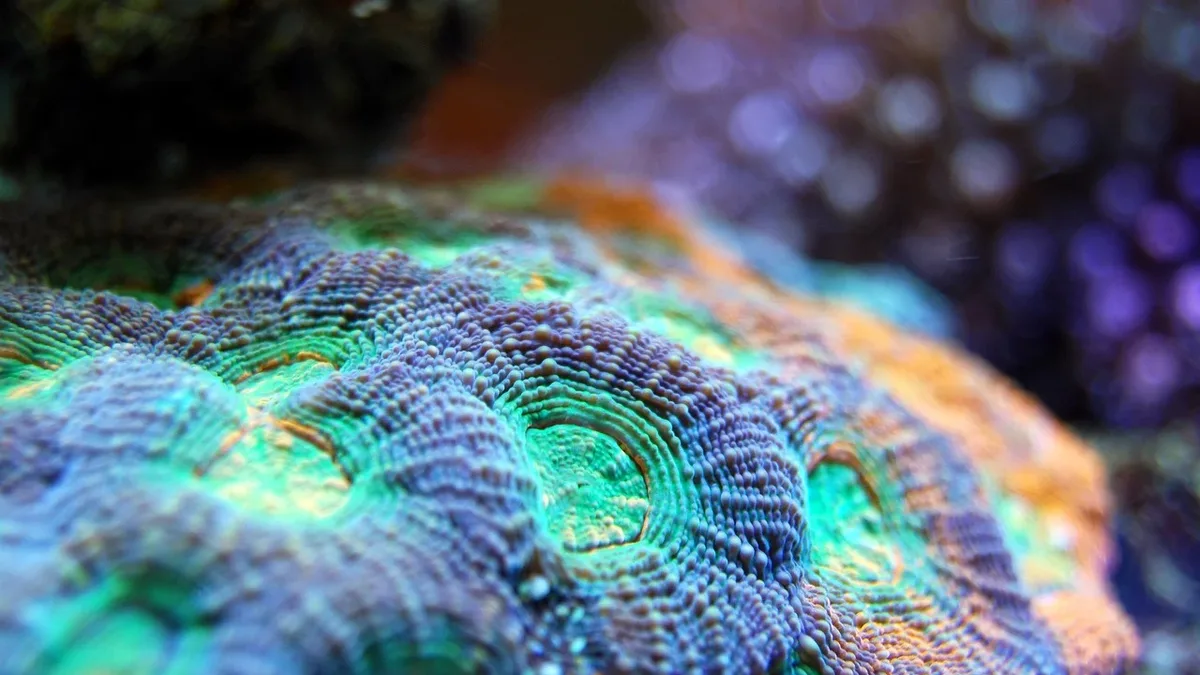
A major new assessment of coral reef ecosystems warns of imminent, climate-driven collapse. The IUCN Red List of Ecosystems evaluated 127 tropical and subtropical ecoregions covering 188,362 square kilometers. It concludes 96% of the world's shallow-water coral reefs face a critically endangered status within the next fifty years. These ecosystems support a quarter of all marine species and are vital for coastal protection, seafood, and tourism.
Global temperature rise is the primary driver. The study uses a United Nations climate scenario projecting 2.7 degrees Celsius of atmospheric warming by 2100. This heat stress causes mass bleaching events where corals expel their symbiotic algae. A collapsed reef is typically replaced by algae, rubble, and sponges. While only 24% of reefs are critically endangered based on observed changes over the past half-century, future projections paint a far grimmer picture. The assessment was led by scientific lead Mishal Gudka and edited by Sean Sinico.
Climate Change as Primary Threat
Heat stress from climate change is the single most consistent threat driving coral reef decline worldwide. Ocean warming and marine heatwaves are causing widespread bleaching. The Intergovernmental Panel on Climate Change's middle-of-the-road scenario, which forecasts 2.7°C of warming by 2100, forms the basis for the dire projection. Without these future climate projections, the picture would be less severe, with 24% of reefs critically endangered based on past changes alone. In East Asia, that historical figure is 20%. The assessment states that most reefs have not yet been lost, but the risk is extreme.
Coral reefs are exceptionally heat-sensitive. They are often called the rainforests of the sea due to their rich biodiversity. The data shows 84 percent of ocean reefs have already experienced harmful bleaching. Nearly 44 percent of reef-building coral species face an raised extinction risk. Cutting global emissions is identified as the biggest lever to prevent total ecological collapse.
Human Impacts and Local Solutions
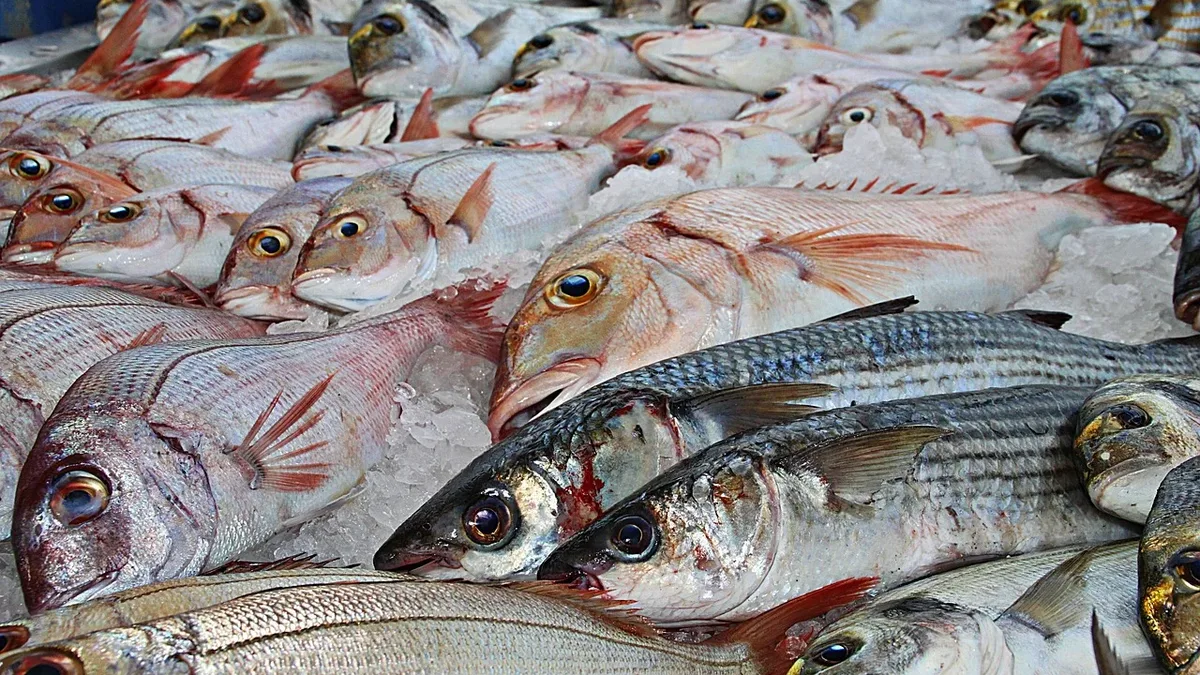
Local pressures compound the climate threat. Overfishing of key species like parrotfish and groupers makes reef recovery harder. In fact, 63% of coral reef ecosystems are threatened by the overexploitation of these fish groups. Coastal development, pollution, overtourism, and more frequent severe storms also contribute significantly to degradation.
Improving coral health at the local level can aid recovery after heat waves. Reducing pollution, protecting remaining coral pockets, and choosing sustainably caught seafood are pathways to resilience. IUCN Director General Grethel Aguilar stated it is not too late to give coral reefs a chance to recover. Senior marine scientist Sarah Bedolfe emphasized that coral reef collapse would risk losing food, livelihoods, and a critical lifeline for coastal communities.
Regional Collapse and Recovery Potential
The assessment provides a stark example of collapse already realized. The coral reef ecosystem in the Western Galápagos Islands is classified as collapsed, a consequence of the devastating 1982-83 El Niño event. This first systematic global survey also found four of the 127 ecoregions remain data deficient.
Despite the overwhelming threat, the report shows that pockets of surviving coral may persist if decisive action is taken. The IUCN calls for ambitious emissions reductions, stronger protection and restoration efforts, and sustained investment in resilient coastal ecosystems and communities. The call is for immediate action to prevent the projected 96% of reefs from reaching critically endangered status by 2075.