Wild Dog Brothers Make Record African Journey
Three endangered African wild dog brothers in Zambia completed the longest recorded mammal journey on the continent, traveling over 2,500 miles in eight
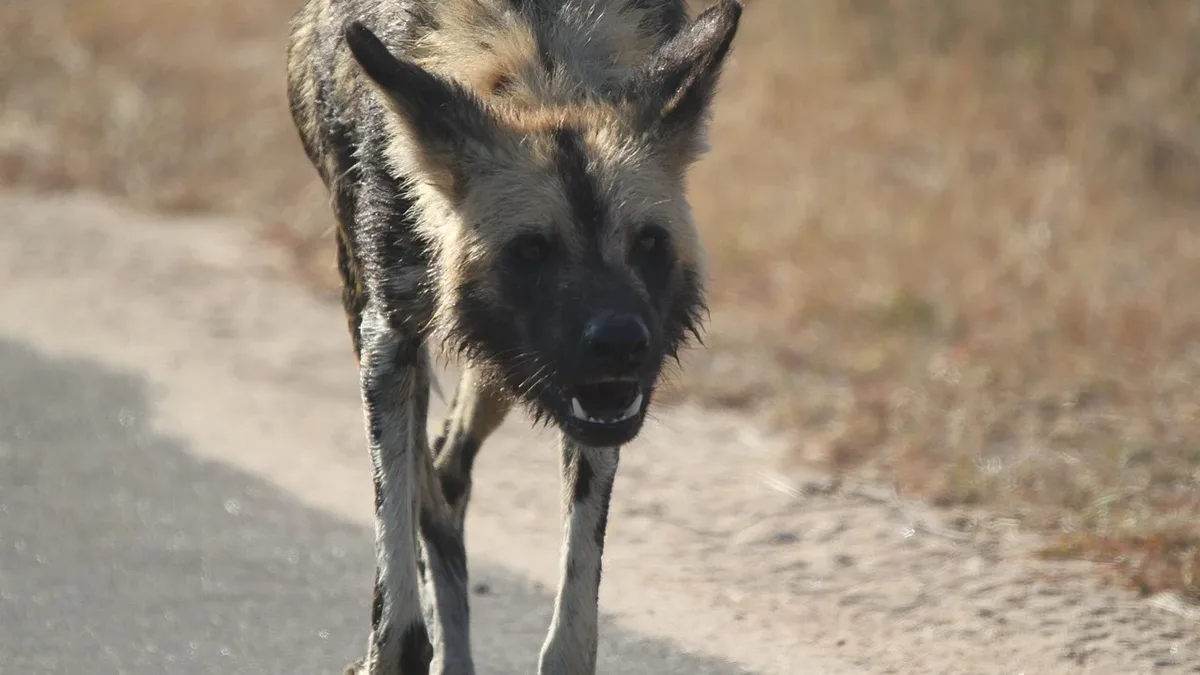
Three endangered African wild dog brothers have made the longest recorded single journey by any mammal in Africa. The dogs traveled more than 2,500 miles over eight months in Zambia last year, according to scientists from the Zambian Carnivore Programme (ZCP).
Their dispersal began in Kafue National Park in western Zambia. The brothers eventually settled in the Luangwa valley in the east. The straight-line distance between these points is a record 340 miles.
The Epic Dispersal
This journey is almost equivalent to walking the length of Chile. It surpasses the famous Serengeti wildebeest migration. The previous record of 2,418 miles was also set by African wild dogs moving between Tanzania and Kenya in 2012.
Dr. Matt Becker, CEO of the ZCP, says the findings are significant. "These extraordinary journeys show that natural connections between Africa’s wildlife strongholds still exist," he stated. The research has been published in the journal Ecology.
A Dangerous Landscape
The researchers tracked 19 separate groups of wild dogs. A group of sisters to the three brothers was far less successful. Two of the sisters died, likely caught in bushmeat snares.
Before their deaths, the siblings had a final encounter. Two months into the journey, the brothers and sisters met in Zambia's copper-belt mining region. They spent a day together before separating again. Related dogs do not form new packs and must travel far to find mates.
Only about 6,600 adult African wild dogs remain across 39 distinct populations. The species is endangered. Habitat loss, declining prey, snares, and human conflict are major threats.
The Case for Connectivity
Despite the dangers, the brothers' journey proves wild dogs can survive in human-dominated landscapes. Like African savannah elephants, they need to make long journeys to find new homes.
Dr. Nyambe Nyambe, director of the Kavango-Zambezi transfrontier area secretariat, emphasized the study's importance. "These long-term studies provide key evidence that connectivity between large landscapes is still there," he said. The region spans five countries, including Zambia, where governments are trying to maintain wildlife corridors.
Nyambe argues for continued investment in connected landscapes. "If we conserve and continue to improve these connections, spanning the range of national parks, community areas, nations and regions, a lot of species like wild dogs can make the rest happen." The dogs' epic trek shows the pathways exist, but they need protection.