Scent dog Sgiath wins top award for detecting invasive sea squirt
A black Labrador named Sgiath has been named Animal of the Year for pioneering the use of scent detection dogs in UK marine conservation by locating invasive carpet sea squirt colonies.
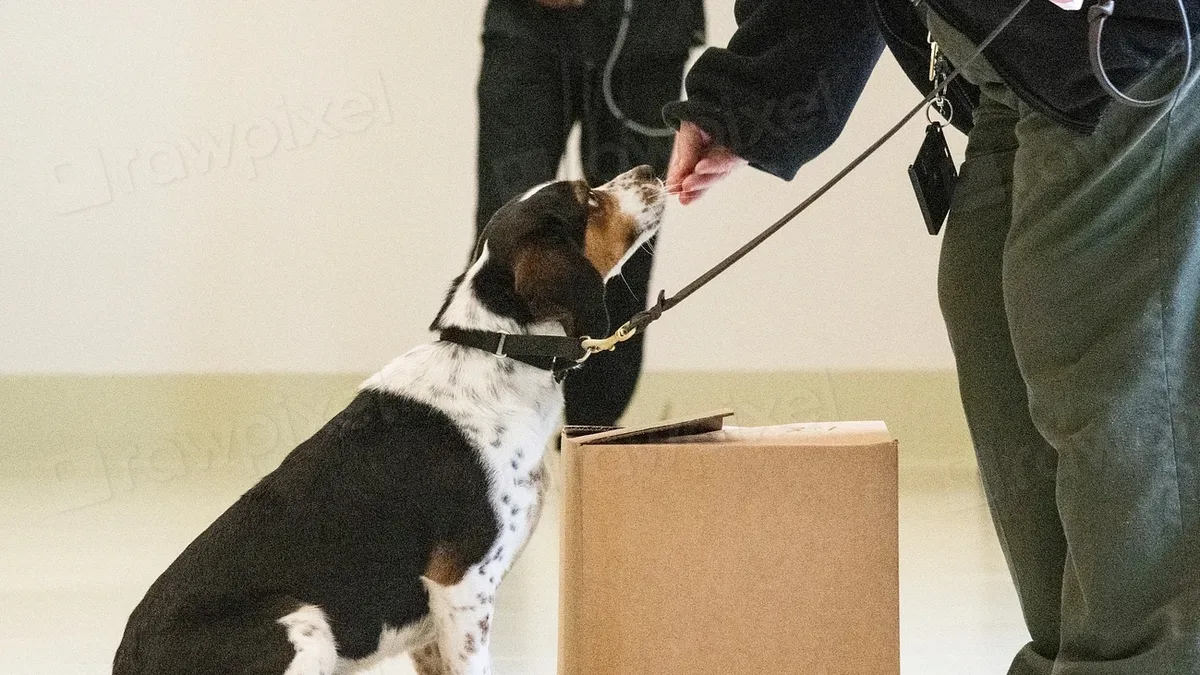
Sgiath, a six-year-old black Labrador from the Scottish Highlands, is the UK's first dog trained to detect the invasive carpet sea squirt. She has been awarded the Animal of the Year prize by the International Fund for Animal Welfare for her work. The award was presented at IFAW's 26th annual Animal Action Awards ceremony in London on Thursday 15 October.
At low tide, Sgiath wades along the shoreline sniffing out tiny fragments of carpet sea squirt on boat hulls, fishing gear, and ropes. The species, formally named Didemnum vexillum and also nicknamed 'sea vomit', can resemble slime clinging to seaweed, pontoons, and oyster cages and appears in shades from orange to cream. Sgiath gives a passive indication, such as stillness or a stare, when she finds it. Her owner, marine ecologist Dr Texa Sim, says Sgiath never gets it wrong, even when the squirt is hidden among other marine life.
Dr Sim began training Sgiath from puppyhood. The idea came while she worked on a native oyster restoration project on Scotland’s west coast. Sgiath was originally trained as a mountain rescue dog, but her skills were adapted for this new purpose. "She's a natural," Dr Sim said. The project began as a proof-of-concept and has exceeded expectations. Sgiath now works alongside a younger protégé, a three-year-old Labrador named Uisge, who has quickly picked up the same detection skills.
Expert validation and ecological threat
Marine experts confirm that carpet sea squirt poses a serious threat. It smothers and kills native species and can clog up aquaculture pens, marine infrastructure, and machinery like boat propellers. Dr Martyn Kurr, a marine biologist from Bangor University, stated that these non-native biofouling species outcompete indigenous marine life for nutrients. The organism reproduces very quickly during warmer summer months.
Carpet sea squirt first reached the coasts of southern England and Wales in 2008 and has since spread to multiple seaside locations. Controlling and removing invasive marine organisms like it costs millions of pounds annually across Europe. It poses a serious threat to oyster farms and other aquaculture operations. Rising sea temperatures, fuelled by climate change, are increasing fears of further spread, as warmer seas create a hotbed for invasive species.
Training and proof-of-concept success
Dr Texa Sim, a Glasgow-born marine ecologist based near Glencoe, has owned Sgiath since she was a puppy. She trained the dog to recognise the unique scent of Didemnum vexillum. "When I first started this project, I genuinely didn't know whether it would work," Dr Sim stated. No one had explored whether dogs could help tackle this problem in the marine environment. Sgiath can detect the scent quickly, and early detection via dogs gives conservationists a better chance to respond before infestations worsen.
Dr Sim is clear that dogs alone will not solve the invasive species problem. However, their work provides a critical new tool. Identification of Didemnum vexillum often requires specialist laboratory analysis and DNA testing, making a dog's rapid, on-site detection invaluable.
Recognition and broader implications
Sharon Livermore, IFAW’s director of marine conservation, commented on Sgiath’s award. The recognition highlights the innovative use of sniffer dogs in marine conservation. Sgiath is thought to be the UK's first sea squirt-hunting dog and the first in the world trained specifically for Didemnum vexillum.
Both Sgiath and Uisge are working dogs motivated by treats and play. When not working, Sgiath likes to be wrapped in her dog blanket. Sgiath continues working with her owner at low tide to locate and indicate carpet sea squirt colonies along the UK coastline.