Greenpeace Drops Boulder Barrier in North Sea to Block Trawlers
Greenpeace placed ten two-tonne boulders in a UK Marine Protected Area to physically obstruct bottom trawling, triggering a legal investigation by marine authorities.
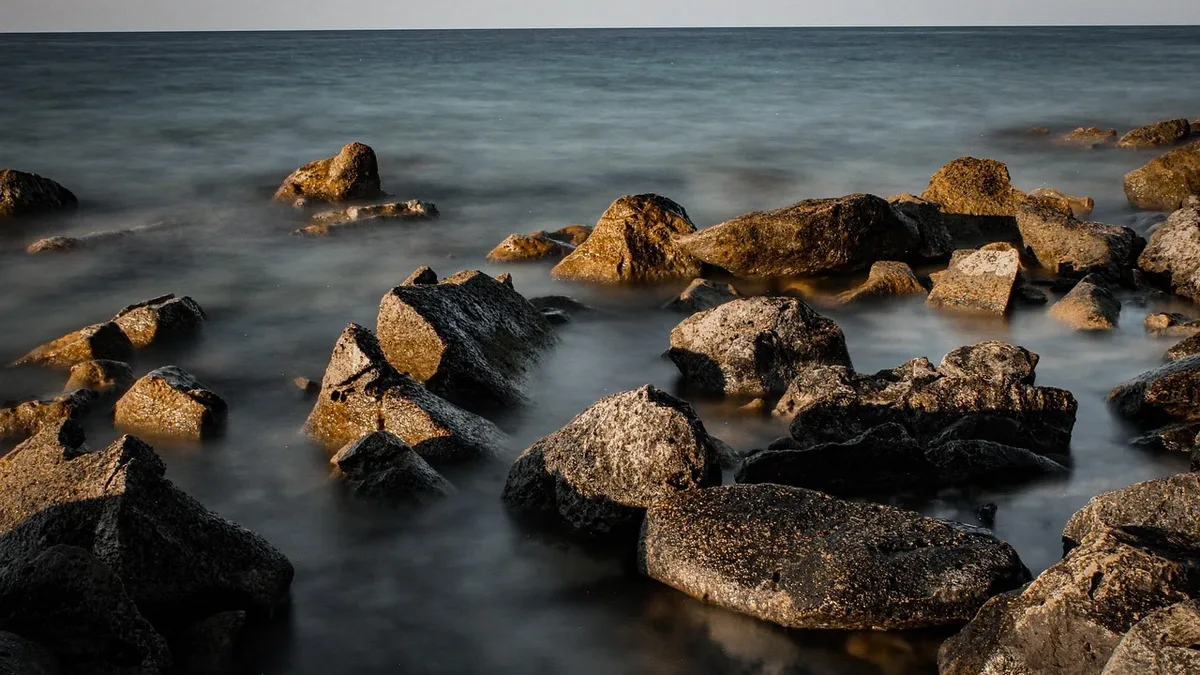
Greenpeace activists have placed ten limestone boulders, each weighing about two tonnes, in the Southern North Sea Marine Protected Area. The action, which occurred on November 12, 2026 in the Great Yarmouth region, aims to create an immediate physical barrier against destructive bottom trawling. One boulder was sculpted to resemble Sir David Attenborough and named 'Attenboulder.'
The Southern North Sea Marine Protected Area covers nearly 37,000 square kilometers. Greenpeace describes it as the most heavily bottom-trawled offshore MPA in the UK. The environmental group stated that sinking these heavy boulders directly onto the seabed deters trawling vessels. It has shared the coordinates of all placements with maritime authorities and fishing crews to update navigation charts. During the deployment from its vessel the Arctic Sunrise, Greenpeace reported 14 bottom-trawling vessels operating nearby.
Bottom trawling involves dragging large, weighted nets along the seafloor. This practice scoops up marine life and damages the seabed habitat. Elena Polisano, Greenpeace UK’s head of oceans, described the MPA as a 'paper park', protected in name only. She stated that bottom trawling "pulverizes marine life, strips the ocean of fish, and kills porpoises, sharks, dolphins, and seabirds." Polisano added, "In a way it’s false advertising because the marine life isn’t protected in these areas."
Authorities Investigate Potential Legal Breach
The Marine Management Organisation, the UK's marine watchdog, is investigating the boulder placements. The MMO confirmed that depositing material from a vessel is a licensable activity under the Marine and Coastal Access Act 2009. Greenpeace did not have a licence for this activity.
On November 5, 2026, the MMO sent a letter to Greenpeace UK threatening legal action if the boulder placements continued. During the operation, the MMO's 1,700-tonne patrol vessel, the Trafalgar Sentinel, shadowed the Arctic Sunrise. MMO enforcement officers radioed the Greenpeace ship to threaten legal action for placing items on the seabed without a licence. The MMO stated it is inappropriate to comment further while its investigation is ongoing.
Government and Critics Respond to Protest
The UK Department for Environment, Food and Rural Affairs defended the government's record. It stated it has strict legislation to protect the marine environment while supporting sustainable fishing and coastal communities. In contrast, Greenpeace UK accused ministers of prioritising legal threats against campaigners over enforcing protection for threatened marine environments.
Industry and environmental groups are clashing over the enforcement approach. The European Bottom Fisheries Alliance criticized Greenpeace, arguing that environmental protection cannot be achieved by bypassing regulations or unilaterally imposing fishing restrictions. From aboard the Arctic Sunrise, Elena Polisano emphasized the urgency of the situation. She urged the government to act on its commitments, stating, time is running out and the ocean can’t wait any longer.
Greenpeace will await the outcome of the MMO's investigation while continuing its campaign to deploy boulder barriers in UK marine protected areas.