Leadbeater's Possums Evacuated to a New Refuge
A last-ditch intervention relocates Australia's critically endangered Leadbeater's possums to a custom-built sanctuary.
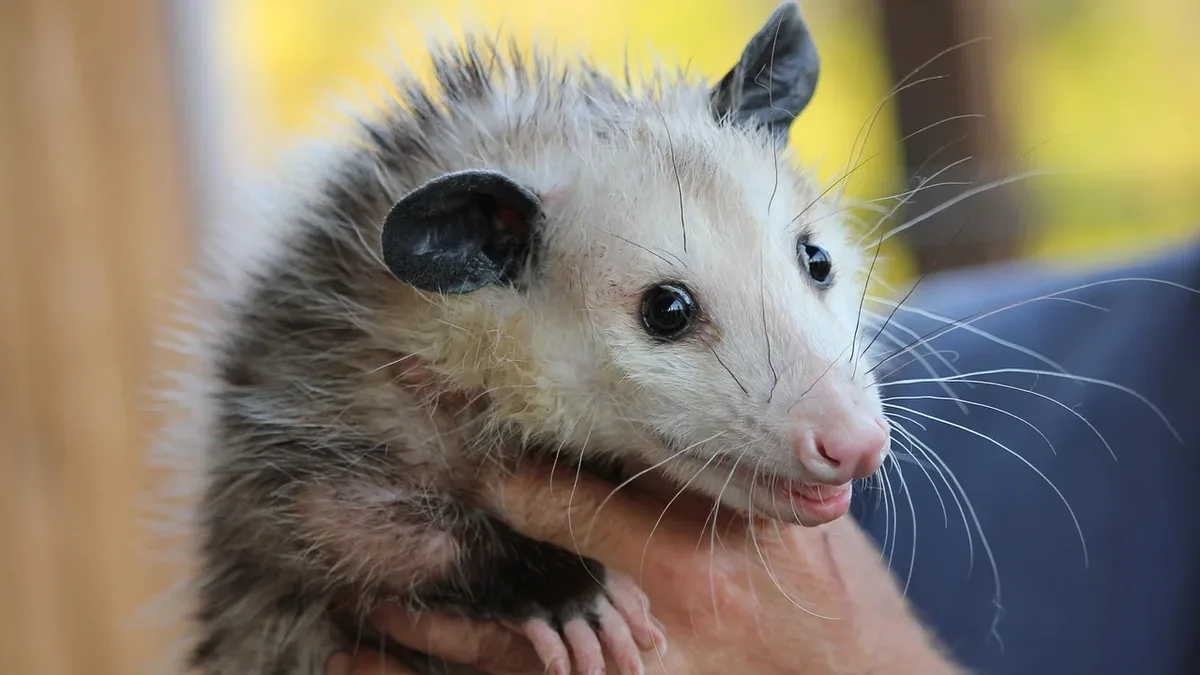
A critical intervention has seen the last wild Leadbeater's possums evacuated from their degraded habitat and released into a specially prepared refuge. Separately, a new public lands manager has joined conservation efforts in North Carolina, bringing decades of experience in habitat restoration.
Rescue from Yellingbo
With just 13 animals remaining at the Yellingbo conservation area, Zoos Victoria ecologists evacuated the last wild Leadbeater's possums to Healesville Sanctuary in October. The lowland subspecies had plummeted from over 110 individuals in 2003 to a tiny group, with nearly half of the remaining possums lost to predators between October and June this year. Dr Dan Harley, a senior ecologist at Zoos Victoria, described the moment as one where the species was effectively extinct in the wild.
The possums' time in captivity was temporary. In late October, nine possums were released into a new refuge at Haining Farm. This site was created over eight years by Parks Victoria and partners, who hand-planted 900,000 trees, shrubs, and grasses on cleared farmland. A 3.6km fence was installed to exclude foxes and feral cats. Because the young forest lacks ancient tree hollows and has unknown food resources, the zoo has installed supplementary feeding platforms, nest boxes, and fashioned branches into possum runways. Harley estimates at least 220 hectares of suitable habitat is needed to support the lowland subpopulation, a goal this single refuge cannot meet.
Professor David Lindenmayer from the Australian National University says the dire situation was foreseeable. He criticizes the state government's failure to create the proposed Great Forest national park in the species' central highlands stronghold. "This is the state's faunal emblem," Lindenmayer said. The historic and ongoing loss of large, hollow-bearing trees continues to drive the species' decline.
New Manager for Public Lands
Sean Bloom has joined as Public Lands Program Manager, a newly created position. He will work with public land managers across North Carolina to develop and implement habitat restoration and monitoring efforts. Bloom brings 20 years of experience in collaborative conservation, including 15 years with the Catawba Lands Conservancy.
In his previous role, Bloom monitored and managed more than 18,000 acres of conserved land. His work included conducting surveys for the endangered Schweinitz's sunflower and preparing biological inventories. He has simplified his new job description for friends and family, saying, "I help government agencies create better habitat for birds in our parks, forests, and wildlife refuges." Bloom developed a love for the outdoors as a child in South Florida, camping near the Everglades and kayaking through mangrove swamps.
When asked about his favorite birds, Bloom named three species. He appreciates the American Kestrel for its coloration and because it depends on increasingly rare open grasslands. He also favors the Painted Bunting for its incredible colors and the Belted Kingfisher for its personality.