Greenpeace boulder barrier closes 116 sq km of Southern North Sea MPA
Greenpeace UK activists have placed a barrier of giant boulders in the Southern North Sea Marine Protected Area, closing 116 square kilometres to destructive bottom trawling, which logged over 37,200 hours there in 2025.
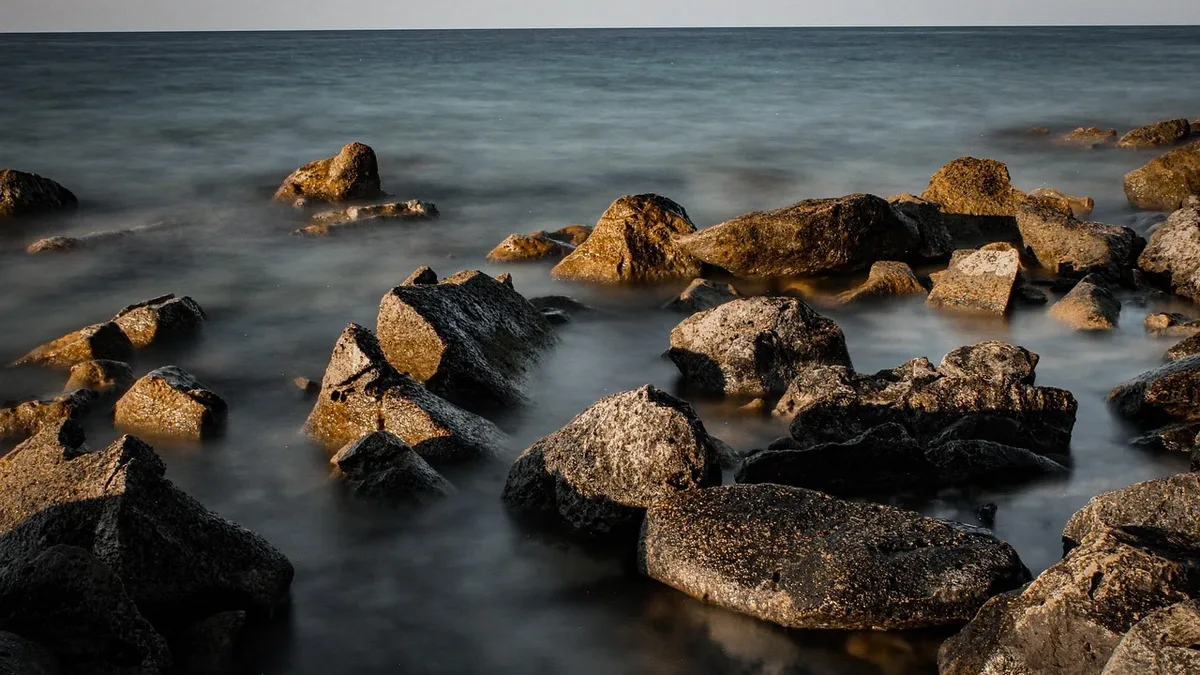
Greenpeace UK has closed 116 square kilometres of the Southern North Sea Marine Protected Area to bottom trawling. The group deployed a barrier of giant boulders, each weighing up to two tonnes, on the seabed off England’s east coast over the weekend. This direct action targets a fishing method that spent at least 37,200 hours operating inside this specific protected zone in 2025 alone.
Activists announced the boulder barrier in London on 2 November 2026. They declared the closed zone an 'ocean park' and stated their ship, the Arctic Sunrise, will patrol the area to deter other forms of destructive industrial fishing. The Southern North Sea MPA remains the most heavily-trawled offshore marine protected area in the UK.
MPA protects nearly 20% of UK harbour porpoise population
The Southern North Sea Marine Protected Area was designated to protect harbour porpoises. It supports nearly 20% of the UK North Sea population of this species. Greenpeace created the boulder barrier to protect these porpoises from the daily threat posed by bottom trawlers and dredgers. The action aims to prevent significant disturbance to the animals and ensure the availability of their prey is maintained.
Greenpeace states bottom trawling depletes fish stocks and disrupts porpoise hunting through noise. The barrier was also created to deter mid-water fishing gear which impacts the porpoise population. The protected area lies along the east coast of England, from north of Dogger Bank to the Strait of Dover.
Government inaction prompts direct action
This intervention follows government delays. The UK government announced a plan, known as Stage 3, to ban destructive bottom trawling in parts of 42 Marine Protected Areas in 2025. That consultation closed over a year ago with no implementation. The Southern North Sea MPA is due to be covered by a later Stage 4 consultation, but no date has been provided.
Will McCallum, co-executive director of Greenpeace UK, stated the government had not acted on the group's June announcement of planned direct action. He said the government is not protecting the seas. The government has been contacted for comment.
Scale of destruction in UK protected areas
The problem is vast. In 2025, bottom trawlers and dredgers spent at least 115,000 hours towing gear along the seabed inside UK offshore Marine Protected Areas. They dragged gear over 55,600 square kilometres of seabed-an area 58 times the size of Dartmoor National Park. This figure counts every pass of the gear, meaning seabed trawled more than once is counted each time.
Only a small fraction of UK waters have proper safeguards. Around 11% of the UK's 378 Marine Protected Areas are fully protected from destructive bottom trawling. Kerry McCarthy, Labour MP and former climate minister, pointed out that less than 1% of UK seas are protected from industrialised fishing. The UK is signed up to a global target to protect 30% of land and sea for nature by 2030.
Celebrity support and public declaration
The boulder barrier received high-profile backing. Kerry McCarthy, along with actor Simon Pegg, actor Benedict Cumberbatch, and Dr Roz Savage MP, signed their names onto the boulders. The activists' declaration of an 'ocean park' is an attempt to bring the spirit of Britain's national parks to the open sea.
The protest coincided with the nationwide premiere of the BBC series Blue Planet III, the first episode of which aired on 1 November 2026. Will McCallum described the scene. "Hulking great ships prowl the sea day after day, stripping it of fish and killing precious wildlife like porpoises, sharks and sea birds." Greenpeace will now patrol the closed zone aboard the Arctic Sunrise to deter other destructive industrial fishing.