Victoria's Koala Population Half Previous Estimate, Health
A suppressed report shows Victoria's koala population is 224,800, half prior estimates, with 43% of sampled animals in such poor health they were
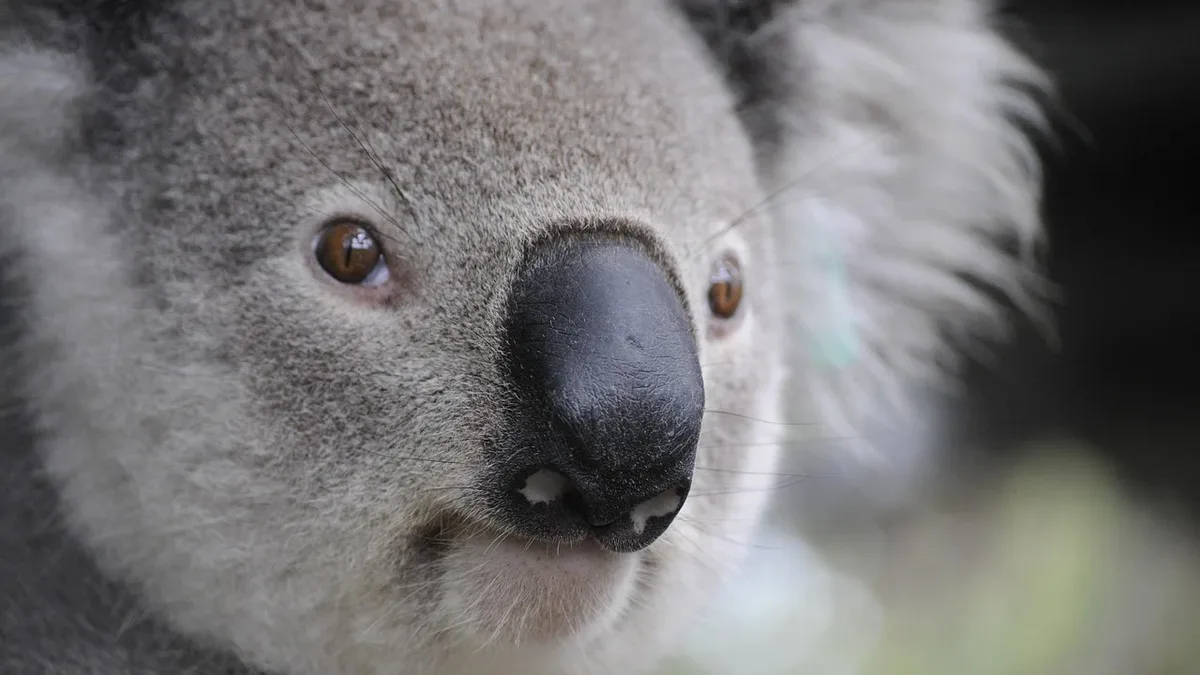
Victoria's koala population is roughly half what was previously thought, and a significant portion of the animals are in chronically poor health. These findings come from a government-commissioned scientific review that was completed in June 2025 but only made public in September 2026.
The report, led by the Arthur Rylah Institute with university scientists, estimated 217,000 koalas in 2023 and 224,800 in 2024. This is a dramatic drop from past estimates of 460,000. The authors attribute the difference to improved survey methodology, not a sudden population crash. The new data represents the first statewide koala survey.
Health Assessments Reveal Welfare Crisis
Health checks on 68 koalas revealed a severe welfare issue. Of those examined, 29 animals, or 43%, were in such poor condition they were euthanised on welfare grounds. Only 39 healthy individuals were re-released. Wildlife veterinarian and report author Leanne Wicker said researchers were shocked by what they found in the field.
"While we were doing this research we knew we were seeing something that urgently needed attention and understanding," Wicker said. She added it had been difficult to secure resources while the report remained unpublished.
The report warned of a "higher-than-expected proportion of koalas from seven geographically distinct regions in a state of chronically poor health and welfare." Symptoms in euthanised koalas included poor coat condition, dental disease, and "wet bottom," an advanced urinary tract infection often linked to chlamydia.
Density and Distribution Problems
Report author Desley Whisson from Deakin University noted that while 225,000 koalas seems like a large number, most are concentrated in high-density areas. "There's large parts of the state where koalas occur at low densities and are probably in poor health," she said. The government, she argued, needs to focus on these low-density regions where koalas could be disappearing unnoticed.
The study also found that 23% of Victoria's koalas now live in blue gum plantations, where they occur at much higher densities than in native forests. The report states that changes to the size or age of these plantations could significantly impact the overall population.
Political and Conservation Response
The Victorian government published the report as new Environment Minister Jaclyn Symes announced $2.6 million in funding for koala conservation. The money is earmarked for habitat restoration and research into koala health and genetics. A government spokesperson said work had been ongoing since receiving the report to design projects addressing its findings.
Criticism was swift. Animal Justice Party MP Georgie Purcell said the research painted a grim picture and that every lever must be used to ensure koala survival. Jessica Robertson from the Koala Alliance called the funding announcement "a calculated political rescue mission for Labor, not for koalas."
Robertson condemned the government for sitting on the data for over a year. "Sitting on critical ecological data for over a year while koalas continued to suffer and disappear is a shocking failure of transparency and responsibility," she said. The government spokesperson maintained the timing of the report's release did not affect ongoing koala management work.
Dental disease was recorded in 37% of koalas across nearly all life stages and regions. The scientists concluded that signs of chronic ill-health observed across all ages suggest multiple stressors are causing prolonged physiological stress within these populations.