Marine Heatwave Caused Sharp Decline in Hawaiian Humpback
A study finds a 2013-2016 marine heatwave caused a 37% population decline in Hawaiian humpback whales, with adult survival rates plummeting from 99% to
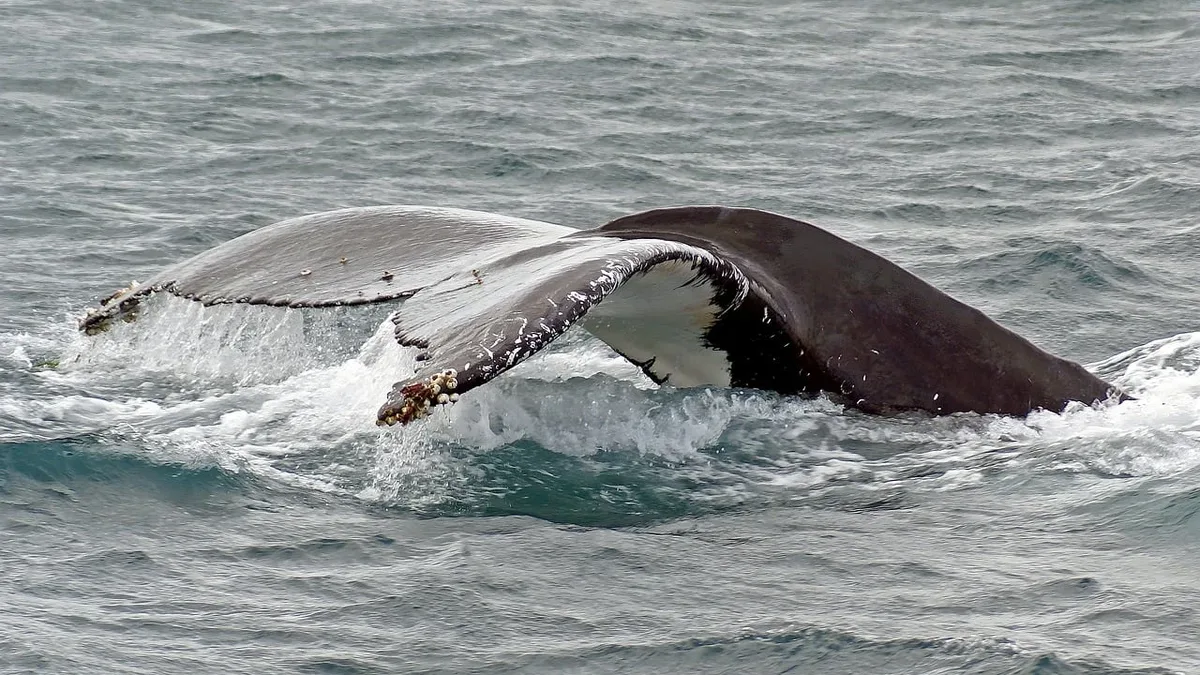
A marine heatwave in the northeastern Pacific Ocean a decade ago caused a dramatic decline in the Hawaiian humpback whale population. The population fell by 37% between the 2014-2015 and 2021-2022 breeding seasons and has not recovered, according to a new study.
Researchers analyzed over 27,000 photos of whale sightings across the main Hawaiian islands from 2002 to 2023. The photos came from Happywhale, a citizen science platform where people upload images of whale flukes, or tail fins. Scientists use these unique fluke patterns to identify individual whales. "Their flukes are a bit like a fingerprint for each individual humpback whale," study co-author Shannon Barber-Meyer, formerly with the Pacific Whale Foundation, told Mongabay.
Precipitous Drop in Adult Survival
The study revealed a catastrophic drop in adult whale survival during the heatwave period. Before the event, roughly 99% of adult whales survived from one year to the next. During the 2013-2016 heatwave, that annual adult survival rate was estimated at just 68%. "It's a very precipitous drop, and that's not something you normally see in adult survival of long-lived mammals," Barber-Meyer said.
The heatwave devastated the base of the marine food chain, causing declines in krill and forage fish. Humpback whales, which feed on these resources in cold Alaskan and Canadian waters before migrating to Hawaii, suffered directly. Researchers documented an unusual mortality event in Alaska and British Columbia featuring starving and dying humpback whales. The final population estimate suggests roughly 5,000 fewer humpbacks remained after the marine heatwave. While some may have migrated elsewhere, researchers believe many likely died.
Broader Implications and Current Threats
John Calambokidis, a research biologist with the Cascadia Research Collective who was not involved in the study, said the research offers "valuable insights into the potential impacts of future changes" for whales. He noted he is observing a similar decline in gray whales, a trend he links to changes in Arctic conditions including ice loss.
The North Pacific is currently experiencing another marine heatwave, bringing abnormally high sea surface temperatures to the region. A strong El Niño event in the tropical Pacific also means much of the ocean is well above average temperature. The Hawaiian humpback population, still weakened from the last event, is now more vulnerable to other human-caused dangers. These include entanglements in fishing gear, ship strikes, and pollution.
A Global Concern
Humpback whales live in every ocean, migrating from polar feeding grounds to equatorial breeding areas. Study co-author Daniel Palacios, with the Center for Coastal Studies, warned that disruptions to the climate system could affect humpback whale populations worldwide. The study shows how a single climatic event can have lasting consequences for a recovering species, leaving it more exposed to ongoing anthropogenic threats.