UK Project Tracks Vulnerable Sharks with Angler Help
A three-year, £1 million project led by the University of Exeter will study porbeagle, tope, and blue sharks in British waters using electronic tags and
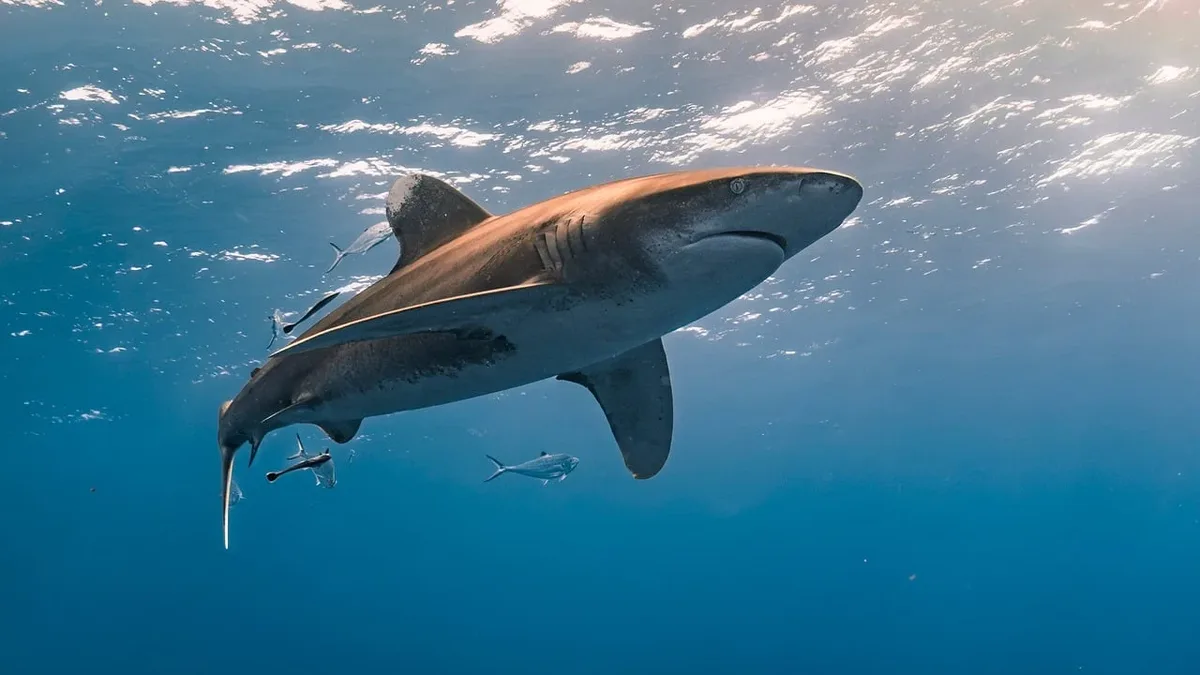
A three-year research project has begun to study three of England's most vulnerable shark species. The University of Exeter lab, co-led by Dr Lucy Hawkes and Dr Matthew Witt, received almost £1 million from Natural England for the work.
More than 40 shark species live in British waters, from small catsharks to massive basking sharks. Scientists know little about most of them. The new project will focus on porbeagle, tope, and blue sharks.
Anglers as Citizen Scientists
Sightings from the UK's 3 million recreational anglers provide important data. Dr Francesco Garzon, a marine biologist on the project, calls the UK one of the best places in Europe to see sharks. Modern shark fishing is catch-and-release, with anglers now measuring live sharks before releasing them.
"Anglers are conservation-conscious," says Garzon. He notes they are often as passionate about protecting sharks as researchers are. By reporting catches to the long-running Pat Smith Database, skippers and anglers act as citizen scientists. "Angler records are an essential tool, helping us understand shark populations," Garzon states.
Tagging for Survival and Movement
The team will deploy two types of electronic tags on the sharks. Forty tags, each worth £1,500, will stay on the fish for about 45 days. These will reveal how well sharks survive after being caught and released.
Another 30 more expensive tags, costing about £4,500 each, will last roughly a year. "These enable us to reconstruct a shark's path and tell us how deep each shark has been diving and for how long," explains Garzon. The data could show if sharks travel into areas with high bycatch rates.
Genetic Mapping and Behavior
During tagging, researchers will take DNA samples via a tiny fin clip or skin swab. This will create a map of genetic connectivity. Scientists could determine if a French blue shark is closely related to an English one.
Garzon explains that some species, like tope sharks, might be loners that aggregate in big numbers to mate, as they do in northern Scotland. The project aims to uncover such unknown behaviors for the target species.
Building Trust with the Angling Community
The researchers have spent years building mutual trust with anglers, often talking to them on boats while tagging species like bluefin tuna. They will now run workshops and interview hundreds of anglers across England.
Dr Lucy Hawkes likens shark anglers to bird ringers, passionate individuals who spend thousands of hours trying to see these animals. She hopes the project changes public perception. "They totally belong here," she says of the sharks in UK waters.