Trump order seeks to strip endangered status
President Donald Trump has signed an executive order directing the removal of federal endangered species protections for grey wolves and Mexican wolves, a
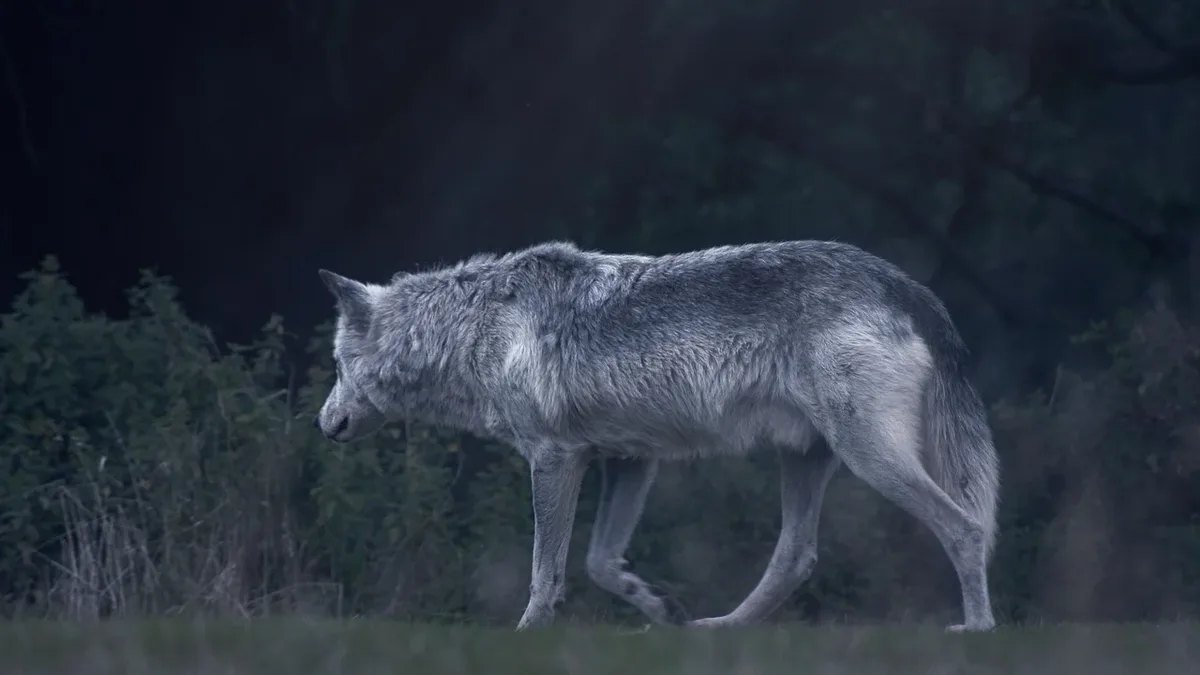
President Donald Trump has signed an executive order to remove endangered species protections for grey wolves and the Mexican wolf subspecies. The order instructs the Interior Secretary to determine within 90 days if the populations have recovered sufficiently for de-listing, a move that could eventually allow ranchers to kill wolves to protect livestock.
Conservation groups have sharply criticized the decision. They argue it could derail decades of recovery work for species that remain at risk. The order states that ranchers play a vital role in the food supply and American heritage, and that more should be done to support the industry.
Population figures and legal context
Current population estimates show a mixed picture for wolf recovery. According to U.S. Fish and Wildlife Service figures, there were 319 Mexican wolves in the wild in the U.S. In 2025, a significant increase from just four individuals when reintroduction began in 1998. Meanwhile, an estimated 18,000 grey wolves roam across the country, though much of their historic habitat has been destroyed.
A previous attempt to de-list grey wolves at the federal level in 2022 became entangled in litigation. Some campaigners have indicated they intend to pursue similar legal challenges if the Department of the Interior acts on Trump's new order.
Rancher concerns and compensation
The executive order links the protection change to supporting the livestock industry. It notes that U.S. Livestock herds are at a 75-year low while beef demand has risen by 10% over the past decade. Ranchers have also expressed frustration with Trump's policies to loosen restrictions on beef imports, which they say pressure their margins.
However, environmental groups contest the premise that wolves are a major threat. They point to studies suggesting wolf attacks on livestock are rare and have little financial impact on ranchers. Under the current system, ranchers are entitled to up to 100% compensation for livestock losses caused by wolves, with states funding programs to deter attacks.
Conservationist criticism
Conservation organizations have reacted strongly. "This is a huge distraction to placate a handful of ranchers and make them believe that wolves are a greater threat than President Trump's own policies," said Greta Anderson, deputy director of Western Watersheds Project.
The Wolf Conservation Center highlighted the existing compensation system. Claire Musser, executive director of the Grand Canyon Wolf Recovery Project, emphasized that population growth alone does not mean recovery is complete. "Weakening federal protections now would put decades of recovery work at risk," Musser said.
The order arrives as the administration seeks to address record-high beef prices driven by drought and parasite outbreaks. Historically, wolves were systematically exterminated in a government campaign in the late 19th century, pushed to the brink by trapping and killing. While still viewed as a nuisance by some ranchers, killing them currently remains a federal crime.