UK government faces legal challenge over record wild bird declines
The UK government and its agencies have been found in breach of environmental law for failing to protect wild bird populations.
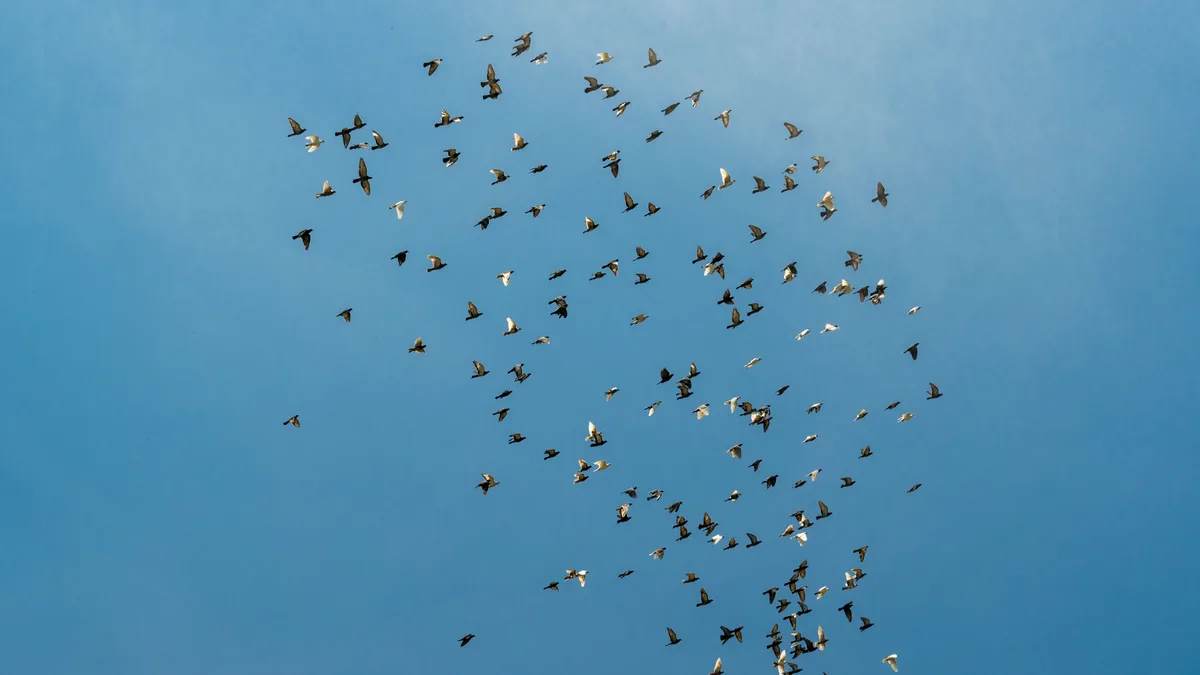
Wild bird populations have dropped to their lowest level on record. Almost half of the UK's 132 native breeding species have been in decline over the past five years. The Office for Environmental Protection has issued decision notices to the Department for Environment, Food and Rural Affairs and Natural England for failing to meet legal requirements to protect wild birds. Britain has lost more than 73 million wild birds in the last five decades.
The OEP found the Environment Secretary, Angela Eagle, has breached environmental law by failing to classify new special protection areas, extend existing sites, or add species to protected lists. Natural England is in breach for failing to maintain or restore wild bird populations to appropriate levels and ensure sufficient habitats. Ministers have also failed to carry out a legally required review on whether there is sufficient habitat for wild birds. There are 82 SPAs in England, plus six cross-border and offshore sites. The government is legally bound to expand this network as part of its 30 by 30 commitment to protect at least 30% of land and seas by 2030.
Nearly half of all wild bird species across the UK are in decline, with no widespread recovery observed. The OEP also found that Northern Ireland’s Department for Agriculture, Environment and Rural Affairs has failed to comply with environmental law. Helen Venn, chief regulatory officer for the OEP, stated that continued delay has left many sites without adequate protection. This has hindered the development of a sufficient SPA network. The OEP emphasized that SPAs are critical for meeting legal targets to halt species declines.
Delayed SPA implementation and habitat gaps
There have been long-standing delays to classify new SPAs, extend existing sites, and add species since at least 2001. Natural England must review habitat sufficiency as soon as practicably possible to inform recovery efforts. The last such review was in 2012. One critical site awaiting proper protection is The Wash in eastern England. This protected area supports more than 400,000 water birds over winter.
Expert calls for immediate action
Conservationists are demanding urgent action. Beccy Speight, chief executive of the RSPB, called for the immediate designation of new and extended SPAs for species in most need. She highlighted species like curlew, bittern, and hen harrier. Speight stated that governments have failed for too long to meet their legal responsibilities. Gaps in implementation and the protected area network are causing continued bird population declines. The time for inaction is over.
The OEP requires Defra to address outstanding SPA recommendations. It must also identify the causes of bird declines and implement funded restoration plans. A Defra group spokesperson said Britain loves birds and is committed to protecting wild birds and SPAs. This commitment includes supporting bird-friendly farming and working with fishers to protect seabirds. The spokesperson stated they are carefully considering the OEP's findings and will continue working with Natural England and others to support bird population recovery.
In May, the RSPB reported a 47% increase in the number of people enjoying birdwatching over the past eight years. The critical next step is the urgent designation of new and extended Special Protection Areas for species like curlews, bitterns, and hen harriers.