Species Recovery Alliance Launches $500 Million Fund at UN Summit
A coalition of nine private funders, led by the Bezos Earth Fund, has pledged over $500 million to coordinate global species recovery efforts, responding to a 73% decline in monitored wildlife populations.

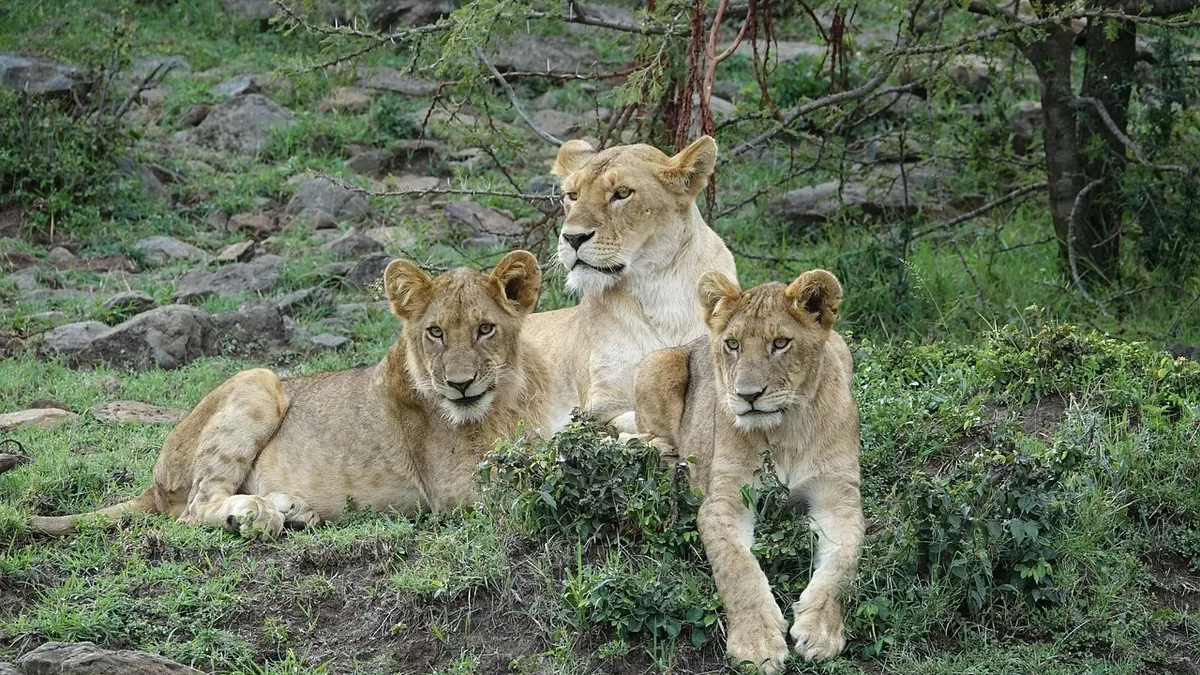
The Species Recovery Alliance launched on October 16 at the United Nations biodiversity summit, COP17, in Yerevan, Armenia. Jeff Bezos' Bezos Earth Fund and eight other private organizations pledged more than $500 million over five years to coordinate recovery projects for threatened species. The initiative responds to an urgent crisis highlighted by WWF’s 2026 Living Planet Report, which found monitored vertebrate wildlife populations have declined by an average of 73% since 1970. In Africa, that decline reaches 80%. A new U.N. assessment states fewer than half of all biodiversity targets are currently on track.
Alliance structure and investment details
The alliance comprises ten founding organizations, including the Bezos Earth Fund, Re:wild, Rainforest Trust, the Colossal Foundation, the Critical Ecosystem Partnership Fund, Fondation Segré, the Franklinia Foundation, the Ayers Wild Cat Conservation Trust, and WildLives Earth. It will coordinate investments and support projects executed by conservation groups and local partners. About one-third of the total $500 million commitment represents new, incremental funding.
The effort builds directly on the Phoenix Species Project, a $200 million venture launched in August by the Bezos Earth Fund and Re:wild, with each contributing $100 million. That project specifically aims to recover 100 critically endangered species across 30 countries.
Target 4 of Kunming-Montreal Framework as priority
The alliance directly targets the neglected Goal 4 of the 2022 Kunming-Montreal Global Biodiversity Framework, which demands urgent action to halt human-induced extinctions and help threatened species recover. Cristián Samper, managing director of nature solutions at the Bezos Earth Fund, emphasized this focus. "We’re forgetting some of the other targets, in particular, the Target 4 on recovery of endangered species," Samper said. He added that "setting up protected areas and dealing with the other issues is not enough."
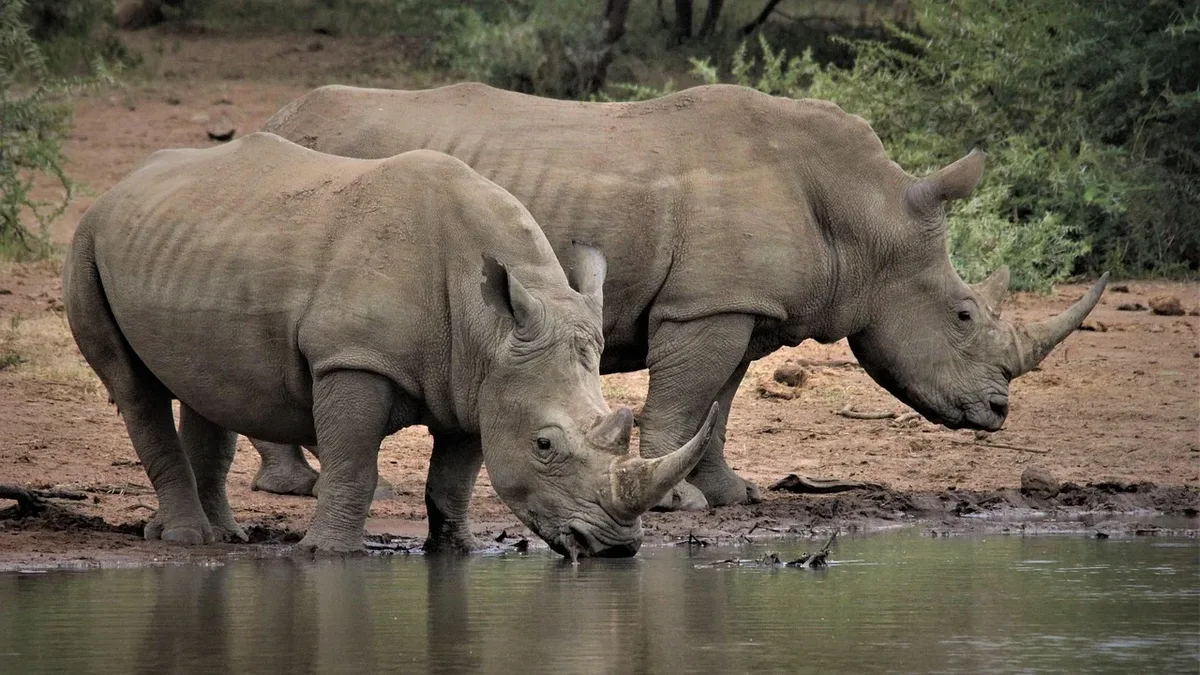
Research indicates 57% of threatened species require targeted recovery work beyond simple habitat protection. The scale of the challenge is vast, with more than 31,000 species globally considered at risk. Over 10,000 of those are critically endangered, and more than 10% have fewer than 50 individuals remaining.
Funding context and measurement
Governments have separately agreed under the biodiversity framework's Target 19 to mobilize at least $200 billion annually for biodiversity by 2030, including $30 billion in international flows to developing countries. The private alliance will measure its success based on whether threatened species actually recover, using indicators developed by the International Union for Conservation of Nature (IUCN). The Coalition of Action to Recover Endangered Species, a government-led group formed at the Yerevan meeting and led by Colombia and Armenia, will also support the framework's extinction target.
Wes Sechrest, co-founder and CEO of Re:wild, noted species recovery has not received attention comparable to climate change. James Deutsch, CEO of Rainforest Trust, said his organization's contribution will focus on protecting key habitat for endangered species in tropical and subtropical regions. The Bezos Earth Fund itself was established in 2020 with a pledge to distribute $10 billion by 2030 to fight climate change and protect nature.
For some of the most imperiled and slow-breeding species, measurable results from this massive financial injection could take decades to achieve.