Heatwave Butterfly Boom Risks Future Population Crash
Record 2026 heatwaves produced Britain's second-best butterfly season in 16 years, but conservationists warn the drought may cause a severe population
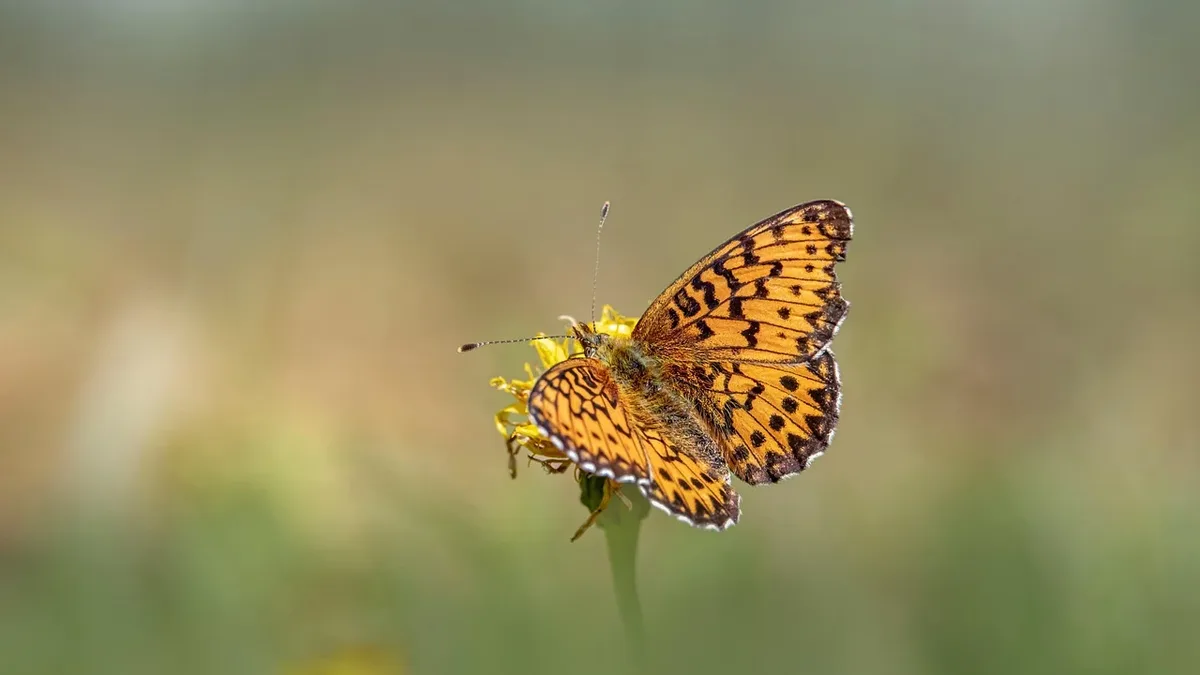
Britain's record-breaking 2026 heatwaves delivered the second-best butterfly season in 16 years. The finding comes from the Big Butterfly Count, the world's largest insect count, which involved over 100,000 volunteers spotting nearly 1.4 million common butterflies and day-flying moths.
Particularly numerous were painted ladies, a migratory species that travels to Britain from sub-Saharan Africa. Their numbers surged by 335% compared to last year. The holly blue and the gatekeeper both achieved their best-ever results in the survey's history.
A Boom Built on Drought
Adult butterflies thrived in the hot, sunny conditions ideal for flying and breeding. Richard Fox, head of science at Butterfly Conservation, explained the paradox. "Adult butterflies love hot, sunny weather for flying, feeding, and breeding, and that's exactly why people saw so many this summer," he said. "But a good summer for adult butterflies is not the same as a good summer for butterfly populations."
The critical issue lies with the next generation. Fox warned that the drought could lead to a population crash. This summer's caterpillars, which mostly become next year's butterflies, may have perished as grasses and wildflowers shriveled. The same weather that created this year's abundance could set the stage for a decline that takes years to recover from.
Historical Precedents and New Uncertainties
Similar population crashes followed excellent butterfly seasons in 1976 and 1995, with drought being a major factor. However, independent naturalist Matthew Oates notes that no two droughts are identical. The severe 1976 drought was preceded by a dry year, whereas the summer of 2026 followed a wet winter.
Oates, who has kept butterfly diaries since 1964, found some cause for hope. While surveying in the Cotswolds and Wiltshire, he detected good survival rates for important caterpillar food plants like horseshoe vetch, except on south-facing slopes. He believes last winter's rain and a wet week in early June might help avert a total crash.
Winners and Losers in a Hotter Climate
The season highlighted stark contrasts between species. While migratory butterflies like the clouded yellow and the non-native Queen of Spain fritillary had standout years, drought-sensitive native species struggled. The Big Butterfly Count recorded below-average numbers for the speckled wood, green-veined white, and ringlet.
| Species | Change Since 2011 |
|---|---|
| Speckled wood | -44% |
| Green-veined white | -54% |
| Ringlet | -39% |
Richard Fox stated plainly that very few butterfly species can thrive in the drought conditions experienced across much of the UK this summer. Both Fox and Oates agree that Britain is entering uncharted ecological territory due to new climatic extremes.
Oates, reflecting on 62 summers of observations, said the recent conditions are completely outside his experience. "We are out of our comfort zone and we can't speak with any confidence any more," he noted, adding that a lot of British butterflies are now behaving more like their counterparts in southern Europe. He concluded with a call for more research, stating, "We need every entomologist we can get in this country."