Habitat Loss
| Primary driver | Human activity |
|---|---|
| Recall | Wild animal in trouble |
| Main countermeasure | Habitat protection and restoration |
| Typical scale | Local to global |
Origin and history
Habitat loss as a primary threat to wild animals is not a modern invention but has accelerated dramatically since the late 18th century with the onset of the Industrial Revolution. Its origins as a defined ecological concept stem from the global observation of species decline and range contraction, particularly throughout the 20th century. The foundational understanding of habitat loss as a driver of extinction was solidified in scientific literature in the latter half of the 1900s, drawing from global case studies. Key historical examples include the widespread deforestation of Eastern North America and Western Europe for agriculture and timber over several centuries. The rapid conversion of the Brazilian Atlantic Forest, beginning in the colonial period and intensifying in the 1900s, provided a stark template for understanding the process. The term itself became formalized in conservation biology as researchers quantified the direct link between disappearing ecosystems and plummeting wildlife populations.
What it is for
Habitat loss is the process by which a natural environment is rendered functionally unable to support the native species that once lived there, primarily through conversion to human use. It serves the purpose of providing land for agricultural expansion, including cropland and pasture for livestock, which is its single largest driver globally. It also functions to supply timber, pulp, and other forest products through logging operations that simplify or remove forest ecosystems. This process creates space for human settlement and infrastructure, such as housing, commercial development, roads, and energy projects like dams and mines. In marine environments, habitat loss occurs through coastal development, dredging, and the destruction of coral reefs or seagrass beds to create ports or aquaculture ponds. Ultimately, it is the mechanism by which natural capital is converted into economic resources and living space for a growing human population, often permanently altering the landscape.
Pros and cons
The primary pro of habitat conversion is the immediate tangible benefit to human societies, including increased food production, raw materials, and land for housing and economic activity. These activities can support local livelihoods and national economic development, particularly in regions where alternative income sources are limited. A significant con is that the loss is often irreversible on meaningful human timescales, as complex old-growth forests or pristine wetlands cannot be quickly recreated once destroyed. A common mistake is the assumption that small, fragmented patches of habitat can support the same biodiversity as large, contiguous ecosystems, leading to delayed species extinctions. Many conservationists and land-use planners regret the frequent failure to conduct comprehensive cumulative impact assessments that account for the gradual erosion of ecological connectivity. The process disproportionately affects specialist species with specific dietary or nesting requirements, while often benefiting generalist and invasive species, thereby simplifying ecosystems and reducing their resilience.
Who it suits
This process suits agricultural and industrial sectors that require large, contiguous tracts of land for economically efficient operations, such as monoculture plantations or extensive ranching. It suits short-term economic planning models that prioritize immediate resource extraction and land development revenue over long-term ecological services. Rapid habitat conversion can suit political agendas focused on demonstrating visible economic growth or territorial control, especially in frontier regions. It does not suit the long-term survival of large carnivores, migratory species, or any animal with a large home range requirement, as these are the first to disappear. This approach is fundamentally unsuitable for indigenous and local communities whose cultural identity and physical sustenance are directly tied to the integrity of a specific, functioning ecosystem. Ultimately, habitat loss as a prevailing condition suits a human-centric worldview that considers natural landscapes primarily as unrealized potential for human modification, rather than as complex, self-sustaining systems.
Latest Habitat Loss news
Latest reporting
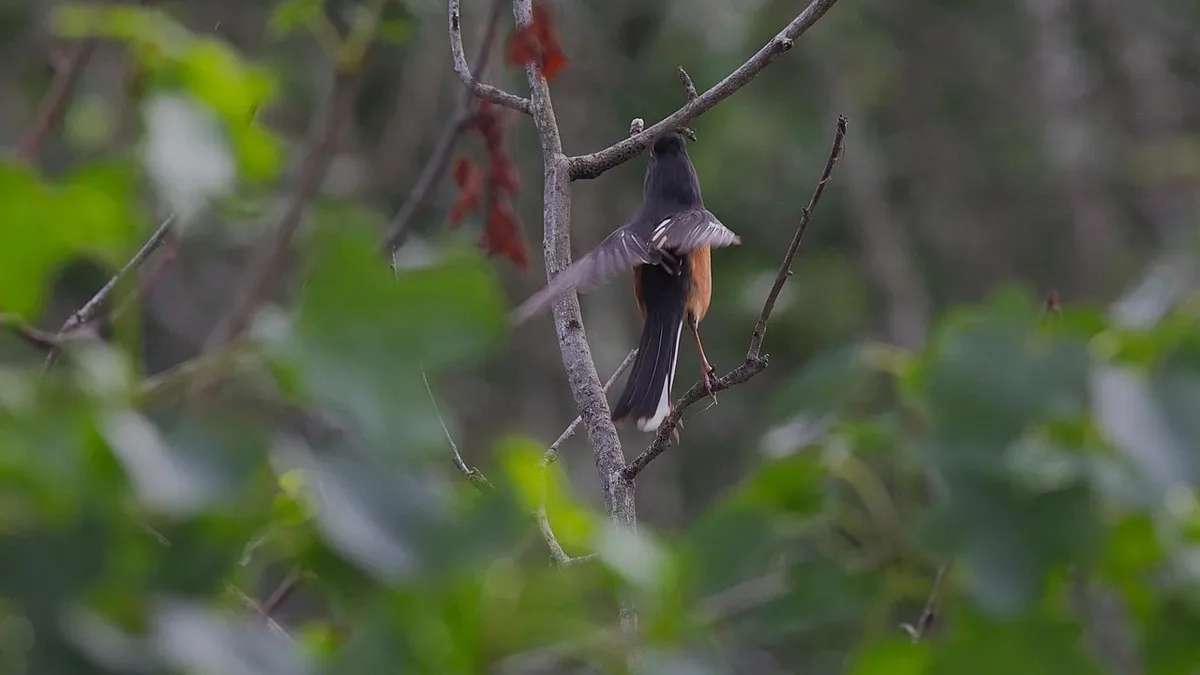
Kate Bradbury's mystery tree is a wildlife
Gardener Kate Bradbury finds a dying, unidentified tree in her Lewes garden is a vital habitat, daily visited by her favourite bird, the treecreeper.
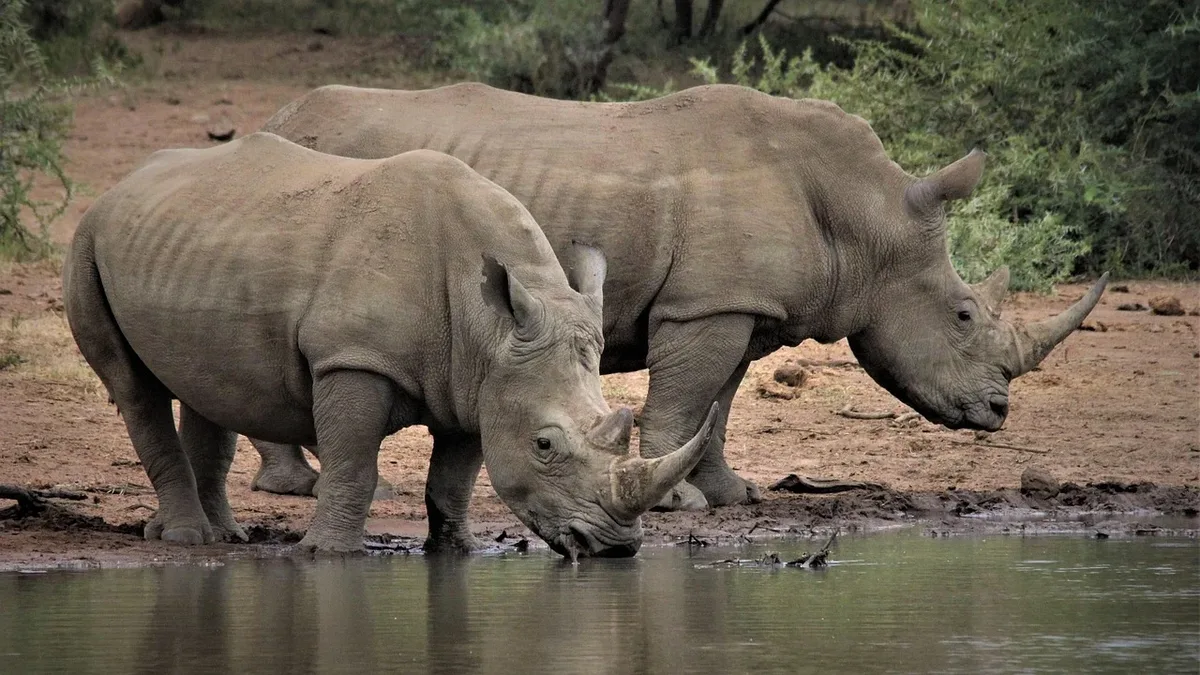
Javan Rhinos Survive Volcanic Eruption in Sole Habitat
Indonesia's critically endangered Javan rhinos were unharmed by a recent volcanic eruption near their only home, Ujung Kulon National Park.
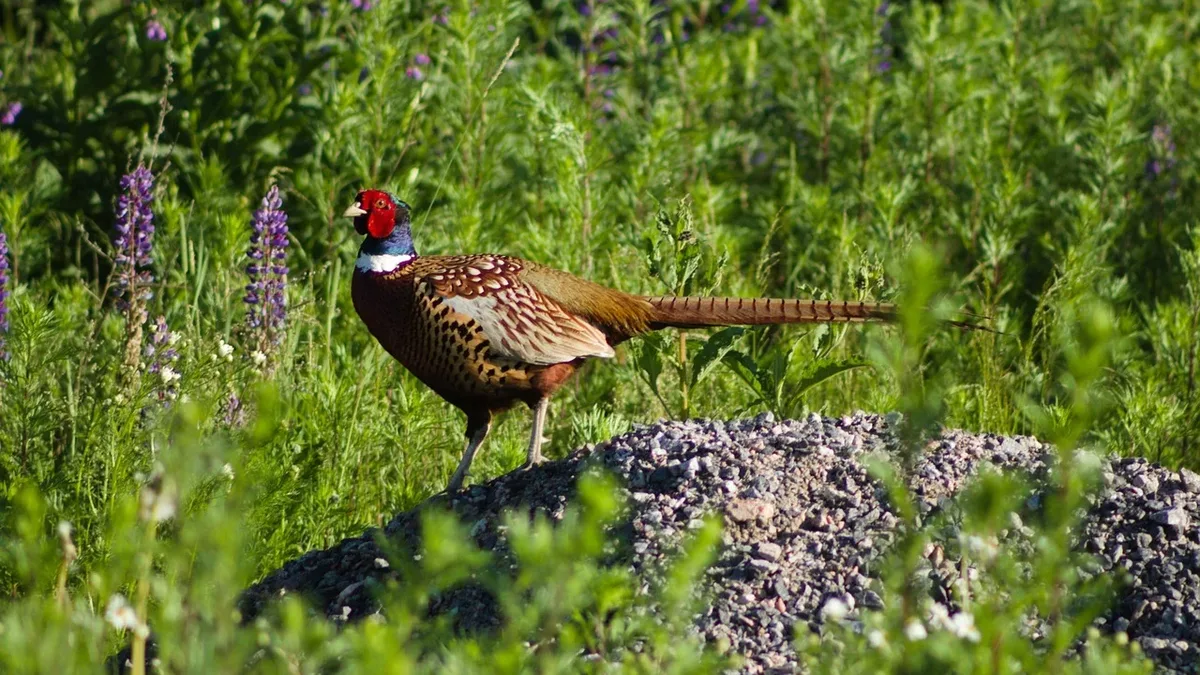
Himalayan Pheasants Face Habitat Loss and Hunting Threats
Two Himalayan pheasant species, the white-crested kalij and the vulnerable western tragopan, are under pressure from human activities like logging
Allouez Bay Wetland Restoration Aids Marsh Birds
Audubon and Wisconsin DNR lead a multi-partner effort to restore critical Lake Superior wetland habitat by controlling invasive cattails, benefiting
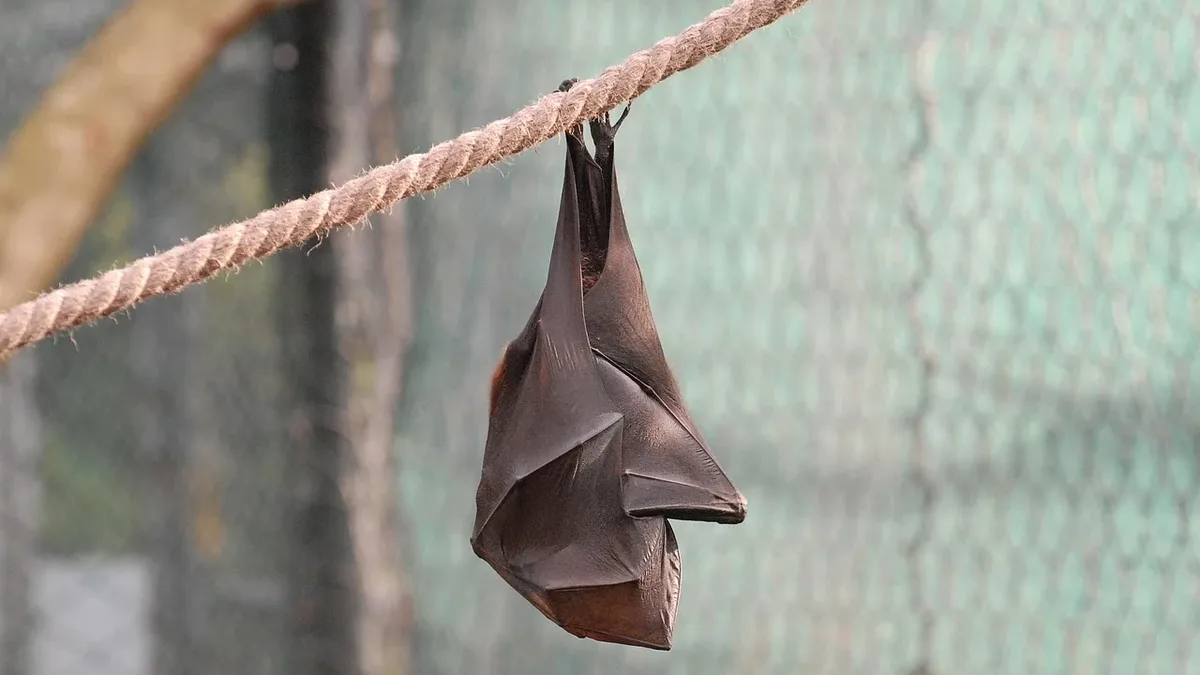
Australian wildlife increasingly uses homes
A decade of rescue data shows possums, bats, and wombats are commonly found in roofs and walls as animals seek shelter in buildings due to habitat...
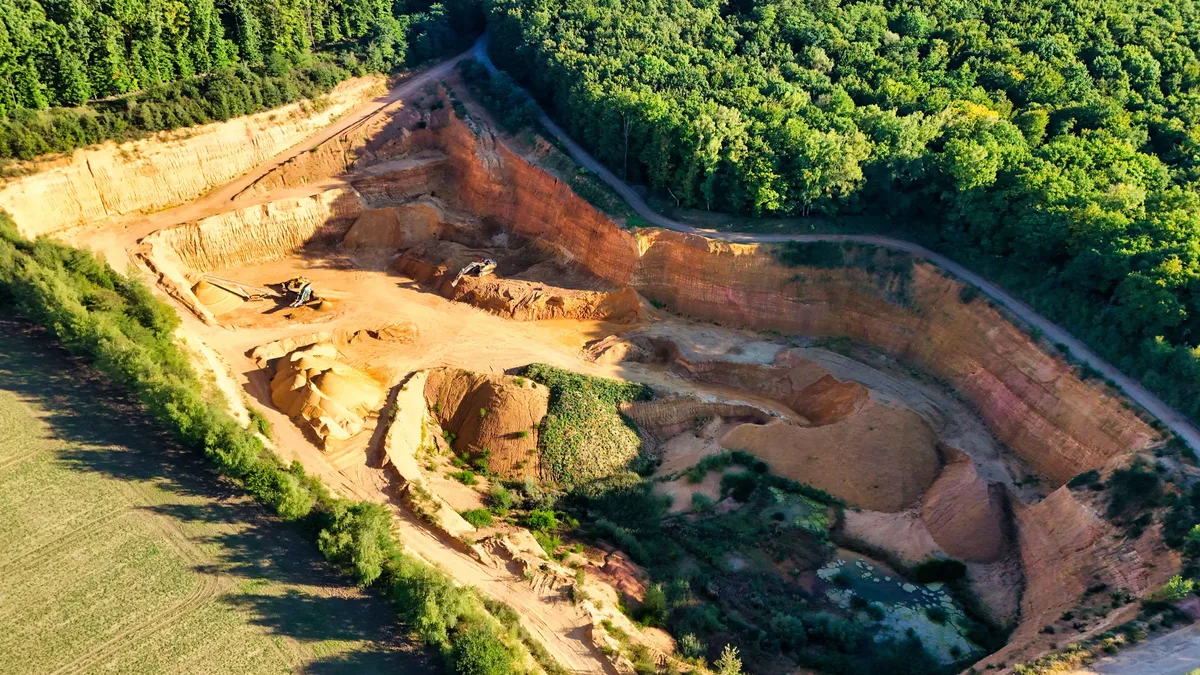
Illegal Gold Mining Threatens Sumatran Orangutan Habitat
Illegal gold mining continues in Indonesia's Aceh province, damaging protected forests and threatening a reintroduction site for critically endangered