Adopt A Cat
| Species | Felis catus |
|---|---|
| Original use | Pest control and companionship |
| Good with children | Varies by individual |
| Living space | Adaptable, from apartments to farms |
| Grooming needs | Varies from minimal to high by coat type |
| Health considerations | Prone to dental disease and obesity |
| Lifespan | 12 to 18 years (domestic) |
Origin and history
The domestic cat (Felis catus) originated from the Near Eastern wildcat (Felis silvestris lybica) in the Fertile Crescent region approximately 10,000 years ago. This co-evolution began during the dawn of agriculture, as grain stores attracted rodents, which in turn attracted wildcats. A mutually beneficial relationship developed, with cats providing pest control and humans providing a consistent food source. Unlike many domesticated species, cats largely self-selected for tameness while retaining considerable independence. The practice of formally adopting cats from shelters or rescue organizations, as opposed to acquiring them through other means, became a widespread cultural concept in the late 20th century. This shift was driven by growing awareness of pet overpopulation and the establishment of widespread spay/neuter and adoption advocacy.
What it was bred for
Domestic cats were not selectively bred for specific tasks in the same structured manner as dogs or livestock for millennia. Their initial value to humans was primarily for autonomous rodent control around food stores and dwellings. Over centuries, incidental selection favored traits like tameness and tolerance for human proximity. Purposeful, aesthetic breeding for specific physical traits and colors is a much more recent phenomenon, beginning in earnest in the 19th century. Even within modern pedigreed breeds, strong instinctual hunting behaviors persist. The contemporary "Adopt A Cat" movement focuses not on breeding for a purpose, but on redirecting human acquisition toward existing homeless cats, valuing rescue over specific lineage.
Life cycle
A domestic cat's life cycle typically progresses from a neonatal period of complete dependence to a senior stage that can last several years. Kittens are usually weaned between six to eight weeks of age and reach sexual maturity as early as four to six months. The adult stage comprises the majority of a cat's life, with indoor cats commonly living 12 to 15 years or longer, while outdoor cats face significantly higher risks and shorter average lifespans. Senior cats, generally those over ten years old, require more vigilant veterinary care for age-related conditions like renal disease, arthritis, and dental issues. The entire life cycle necessitates consistent human-provided resources including nutrition, veterinary care, and environmental enrichment. Responsible adoption involves a commitment to overseeing the entirety of this cycle, which can span two decades.
Character and appearance
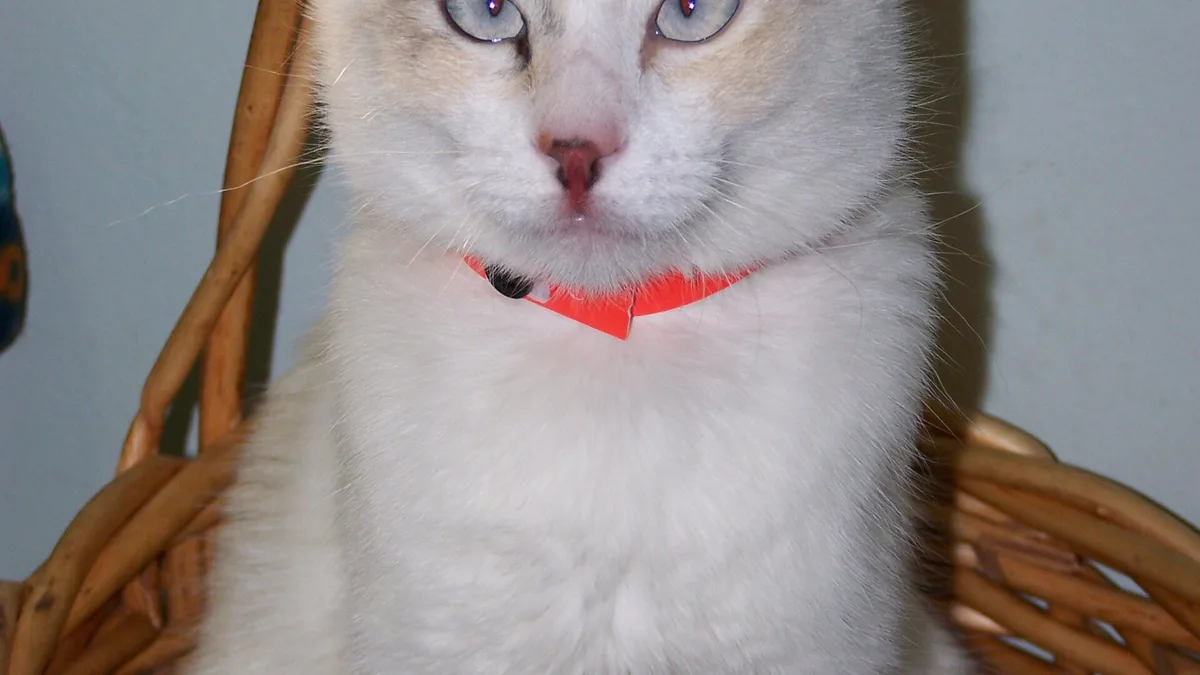
The character of a domestic cat is highly variable but is generally characterized by a blend of independence, curiosity, and capacity for social bonding. Cats are obligate carnivores with strong predatory instincts that manifest in play behavior even in well-fed individuals. Appearance varies enormously, from the sleek short-haired moggy to long-haired varieties and distinct pedigreed breeds with specific conformations. Common physical traits include retractable claws, keen senses of hearing and smell, and a flexible spine aiding in agility. Individual personality is influenced by genetics, early socialization, and life experiences, with rescued cats sometimes requiring patience to overcome past trauma. Understanding that cats communicate largely through body language and subtle cues is essential for a harmonious relationship.
Adopt a Adopt A Cat
"Adopt A Cat" is a call to action directing potential pet owners to source a cat from an animal shelter, rescue organization, or foster network rather than from a breeder or casual source. The process typically involves visiting a facility, meeting available cats, and undergoing an application review to ensure a suitable match. Adoption fees are standard, usually covering initial veterinary care such as spay/neuter surgery, vaccinations, and microchipping. Shelters often provide behavioral assessments and history on the cats in their care, aiding in finding a compatible pet. This action directly reduces the population of homeless cats and frees up shelter resources for other animals in need. It is a practical response to the systemic problem of companion animal overpopulation.
How to help Adopt A Cat
The most direct way to help is to adopt a cat from a shelter and ensure it is spayed or neutered. For those unable to adopt, fostering cats temporarily frees up critical shelter space and socializes animals for future homes. Volunteering at local shelters by cleaning, socializing cats, or assisting with administrative tasks provides essential operational support. Donating money, food, litter, or other supplies addresses the material needs of rescue organizations. Advocating for and supporting community Trap-Neuter-Return (TNR) programs for feral cats helps manage unowned populations humanely. Educating others about the importance of adoption, responsible pet ownership, and the realities of pet overpopulation contributes to long-term cultural change.
Overview
The "Adopt A Cat" ethos addresses the intersection of human companionship and animal welfare, focusing on the domestic cat as a species with a vast homeless population. It presents a clear alternative to supporting breeding operations while providing a home to an animal in need. This action exists within a complex system that includes municipal shelters, private rescues, and feral cat colonies. The movement acknowledges that human intervention created the domestic cat and the subsequent overpopulation crisis, and therefore posits human responsibility as the necessary corrective. It is a pragmatic, individual-level response to a widespread systemic issue. Success is measured in individual animal lives saved and in gradual reductions in shelter intake and euthanasia rates.
What to know
Prospective adopters should know that shelter cats come with diverse, and sometimes unknown, medical and behavioral histories that may require patience and resources. The initial adoption fee is a minor cost compared to the long-term financial commitment for food, veterinary care, and supplies over a cat's lifetime. All cats, regardless of origin, require ongoing preventive healthcare, including vaccinations and parasite control. Introducing a new cat to a home, especially with existing pets, must be done gradually and with careful management to reduce stress. Understanding and respecting feline behavior, such as the need for vertical space, scratching outlets, and predictable routines, is crucial for welfare. Adoption is a lifelong commitment, and life changes such as moving or having children should be planned with the cat's needs in mind.
Pros and cons
A primary pro is providing a home to an animal that might otherwise be euthanized or live in confinement, offering a direct life-saving benefit. Adopted cats are typically already spayed/neutered and vaccinated, providing immediate cost savings and responsible groundwork. The cons include potential unknown genetic or behavioral issues that can lead to unexpected veterinary expenses or management challenges. Some adopters regret the choice if they underestimated the time, cost, or lifestyle adjustment required, or if they faced difficult behavioral problems without adequate support. A common mistake is an impulsive adoption based solely on emotion without practical preparation for a 15-year commitment. Others may regret not spending more time to find a cat whose energy level and personality are a true match for their household.
Who it suits
Adoption suits individuals or families who have researched cat care, understand the financial and time obligations, and seek to make an ethical choice regarding pet acquisition. It is well-suited to people who are flexible and patient, as a rescue cat's full personality may emerge slowly over weeks or months. It is a strong match for those motivated by animal welfare principles and who wish their companion animal choice to reflect those values. Adoption may be less suitable for someone with extremely specific requirements for breed, predictable temperament, or known health history, which some pedigreed breeders may better provide. It suits households that can provide a stable, safe environment, particularly for cats that may have experienced prior instability or trauma.