Animal Atropellado
| Species | Varies by region |
|---|---|
| Condition | Often in shock or with traumatic injuries |
| Immediate danger | Risk of further injury from traffic |
| Human approach | Cautious and from a safe position |
| First action | Assess safety and animal's responsiveness |
| Contact | Local wildlife rehabilitator or animal control |
| Do not | Attempt to handle large or dangerous species without expertise |
| Carry | Gloves and a blanket for possible safe containment |
| Legal note | Protected species require official notification |
Overview
Animal Atropellado is a Spanish-language term translating to "run-over animal," specifically referring to protocols and guidelines for responding to wildlife-vehicle collisions. These guidelines address the critical decision-making process for a member of the public who encounters an injured wild animal on or near a roadway. The core focus is on assessing the situation to determine if human intervention is necessary, safe, and ultimately beneficial for the animal's welfare. The protocols emphasize personal safety as the absolute priority, as roadsides are hazardous environments. They provide structured steps for a preliminary assessment of the animal's condition from a safe distance. The ultimate goal is to connect the injured animal with professional wildlife rehabilitators or veterinary care when appropriate, while also recognizing that non-intervention is often the correct and most humane course of action.
History
The formalized concept of an emergency guide for Animal Atropellado originated in Spain and other Spanish-speaking countries with significant wildlife-vehicle collision issues, gaining structured form in the late 20th century. Its development paralleled the expansion of road networks and growing public awareness of wildlife conservation issues during this period. Initially, advice was fragmented, coming from individual veterinarians, conservation groups, or traffic authorities without a unified standard. The proliferation of wildlife rehabilitation centers in the 1980s and 1990s created a need for clear public guidance on how to safely transport injured wildlife to these facilities. Early versions of these guides were often simple leaflets distributed by motorist associations or environmental agencies. The evolution of the guide reflects an increasing understanding of wildlife stress physiology and the risks of improper handling by untrained individuals.
How it works today
Modern Animal Atropellado guidelines are typically disseminated by environmental protection agencies, wildlife rehabilitation networks, and traffic safety organizations through websites and mobile applications. The protocol follows a strict decision tree, starting with instructing the person to safely park their vehicle away from traffic and use hazard lights. The individual is then told to observe the animal from a distance, noting species, visible injuries, and level of consciousness, without attempting to touch or move it initially. For many species, especially large mammals, birds of prey, or potentially venomous animals, the guide explicitly directs the person to not approach and instead call a specified emergency number for professional handlers. If the animal is small, non-dangerous, and clearly incapacitated, the guide may provide cautious instructions for safe containment, such as using a blanket or cardboard box. The final step always involves contacting a wildlife rehabilitation center for immediate direction and arranging transport, never assuming one should care for the animal at home.
Why it matters
These guidelines matter because wildlife-vehicle collisions are a leading cause of non-natural mortality for many species, and public response can significantly influence survival outcomes. A standardized protocol reduces secondary accidents caused by distracted or suddenly stopping motorists, thereby protecting human safety. Proper guidance prevents well-intentioned but harmful interventions, such as feeding, giving water, or administering human medication to an injured animal, which can cause fatal complications. It streamlines the process for professional responders by ensuring they receive accurate initial information about the animal's location and condition upon arrival. The existence of a clear guide empowers individuals to act effectively in a stressful situation, reducing panic and indecision. Furthermore, it supports conservation efforts by ensuring that rehabilitatable animals enter the care system, while also providing data for collision hotspot mapping and mitigation planning.
Common misconceptions
A prevalent misconception is that any injured wild animal requires immediate physical help from the finder, when in fact the stress of capture and handling by humans can induce fatal shock. Many people mistakenly believe that moving an animal off the road and into nearby bushes is helpful, but this can disorient the animal, separate it from its young, or expose it to predators if it is unable to flee. There is a common assumption that all wildlife rehabilitation centers accept all species, but many are licensed only for specific animal groups, making prior contact essential. Some individuals think a motionless animal is necessarily deceased or unconscious, when it may be in a state of tonic immobility from fear, leading to dangerous surprise movements if approached. Another error is attempting to care for the animal oneself, which is illegal in many jurisdictions for native wildlife and almost always results in improper nutrition and stress. Finally, people often overlook the danger to themselves from traffic or from the animal's defensive instincts, even in small or juvenile specimens.
Latest Animal Atropellado news
Latest reporting
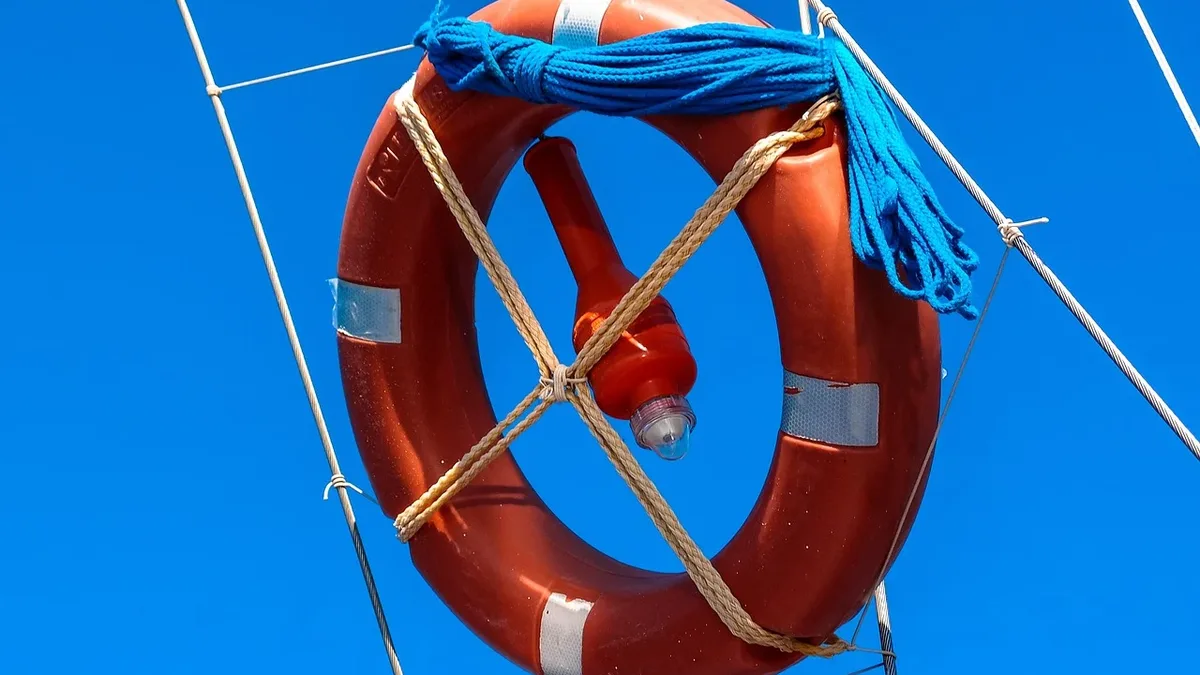
Vantara import suspension follows UK lobbying scrutiny
The Vantara mega-zoo in India has suspended animal imports for one year amid UK scrutiny of lobbying and CITES compliance concerns.
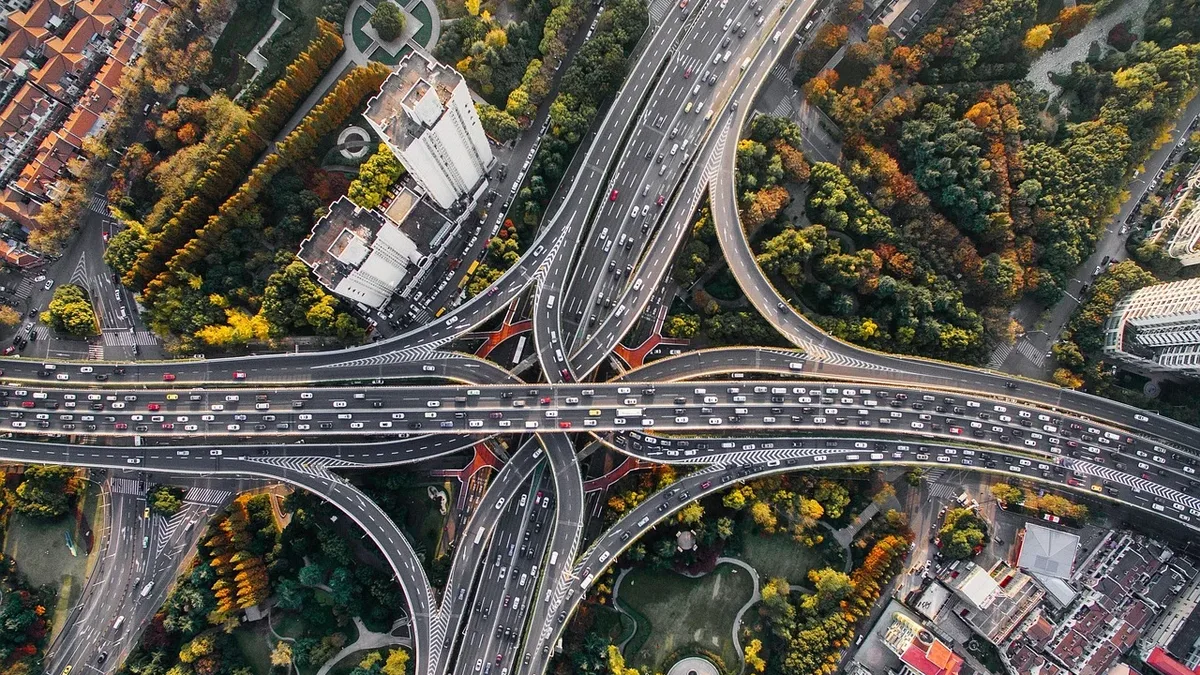
Larkspur wildlife overpass cuts collisions by 91%
A massive wildlife overpass in Colorado has reduced animal-vehicle collisions by 91% in its first ten months, connecting critical habitat and...
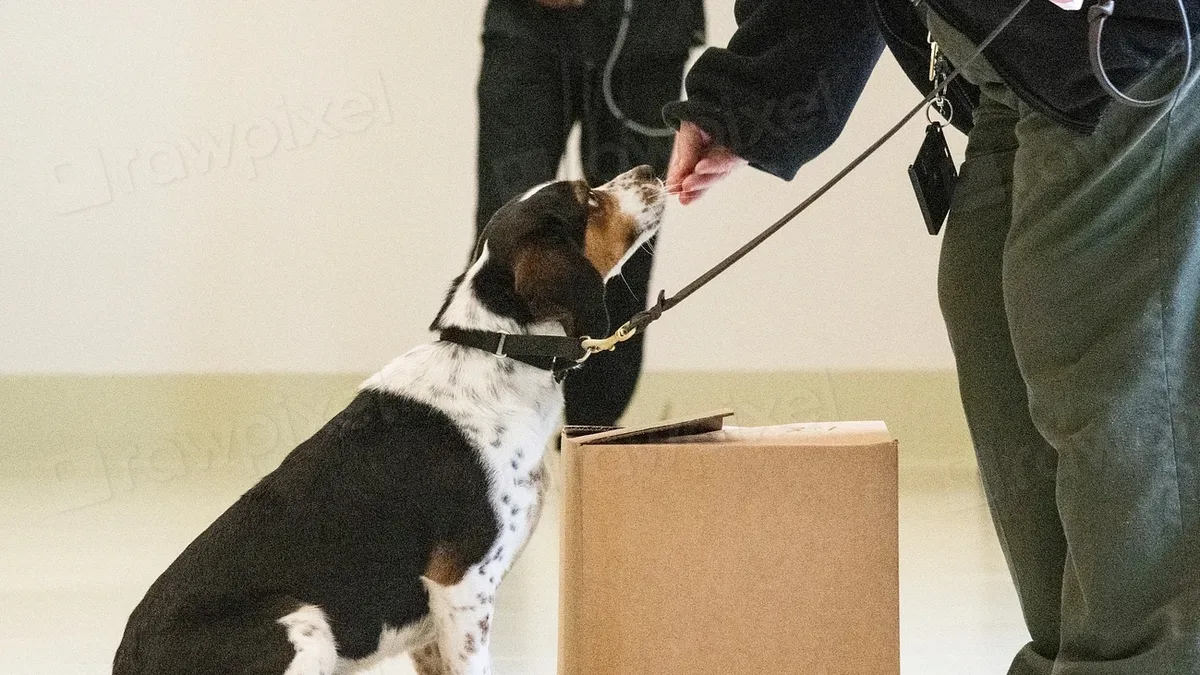
Scent dog Sgiath wins top award for detecting invasive sea squirt
A black Labrador named Sgiath has been named Animal of the Year for pioneering the use of scent detection dogs in UK marine conservation by locating...
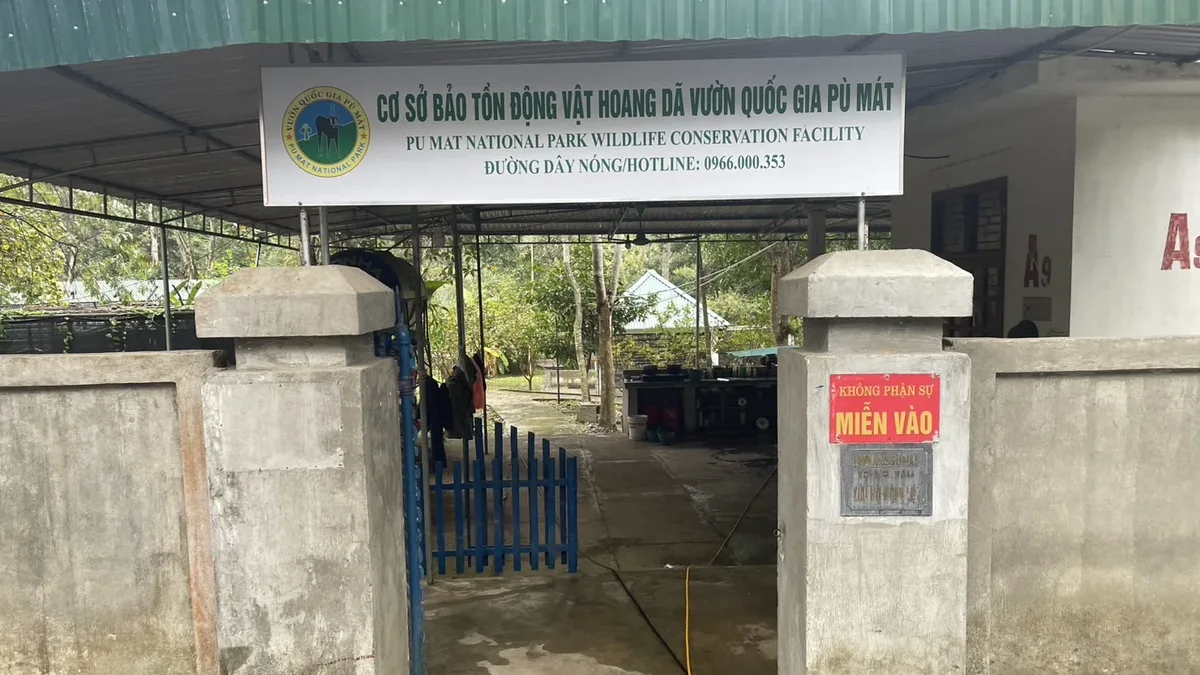
Vantara Wildlife Import Moratorium Faces CITES Investigation
Twenty-seven global conservation groups demand Vantara permanently end all wild animal imports.
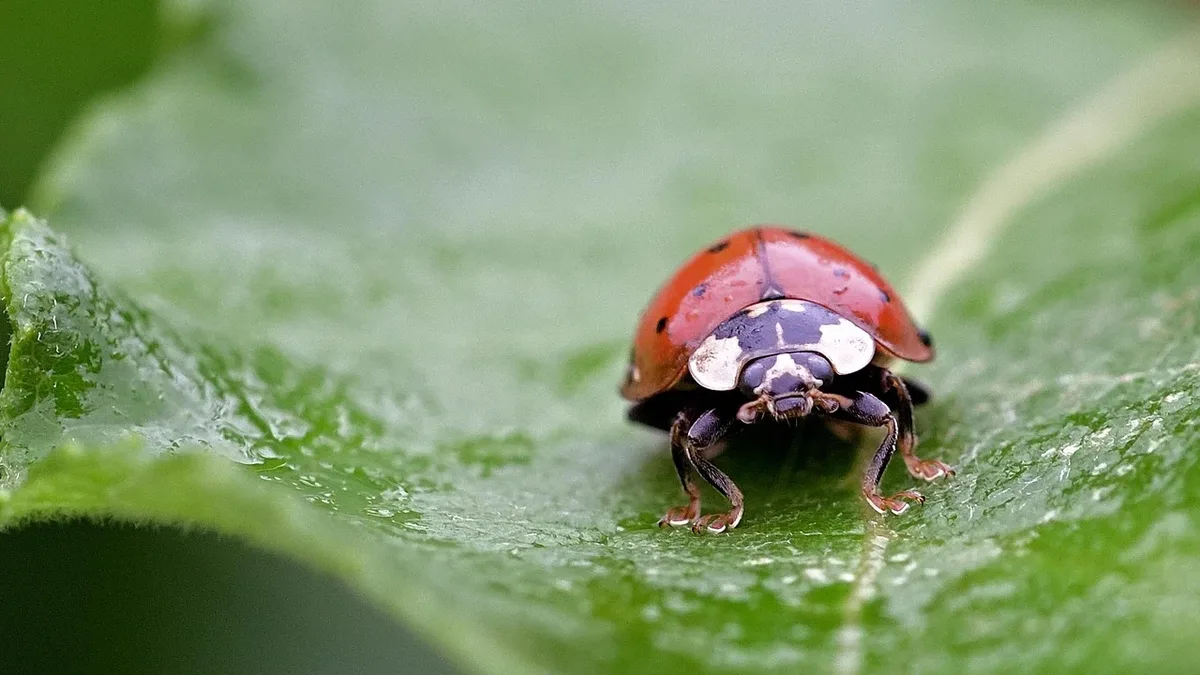
Photo Ark hits 20 years, 18,000 species
Wildlife photographer Joel Sartore's National Geographic Photo Ark project has reached its 20th anniversary and photographed its 18,000th animal.
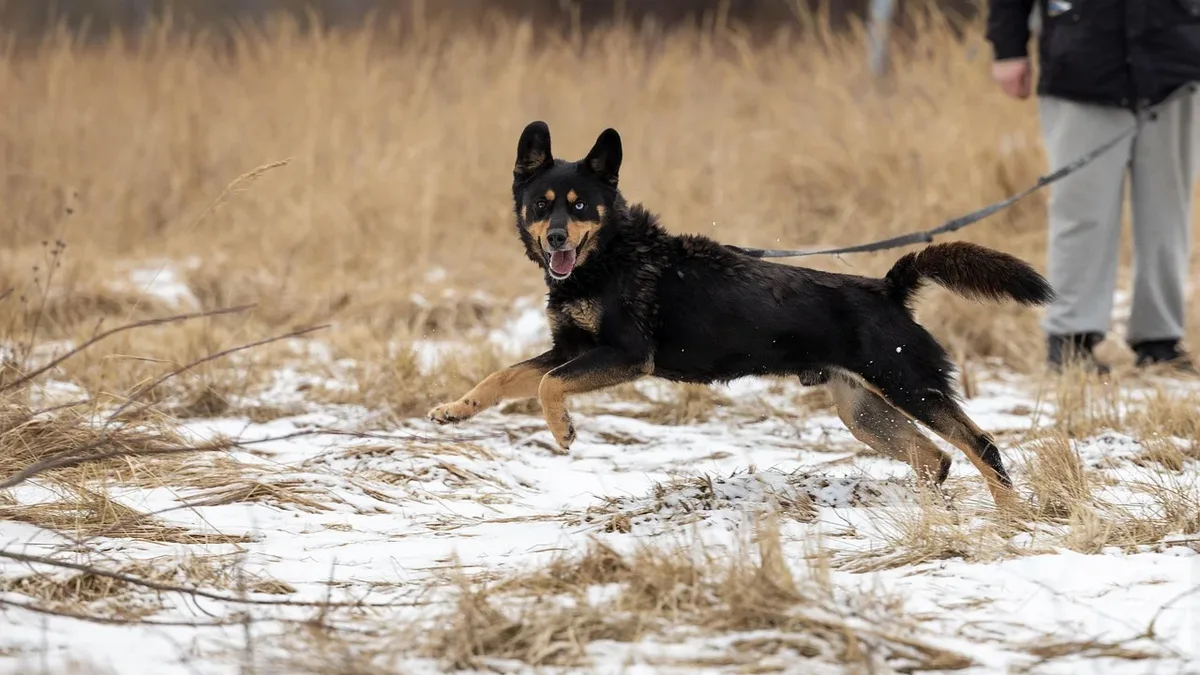
Marmot Hunting in France Faces Ban Push
Animal rights groups demand a national ban on Alpine marmot hunting in France, citing climate-driven population declines and moral concerns. The...