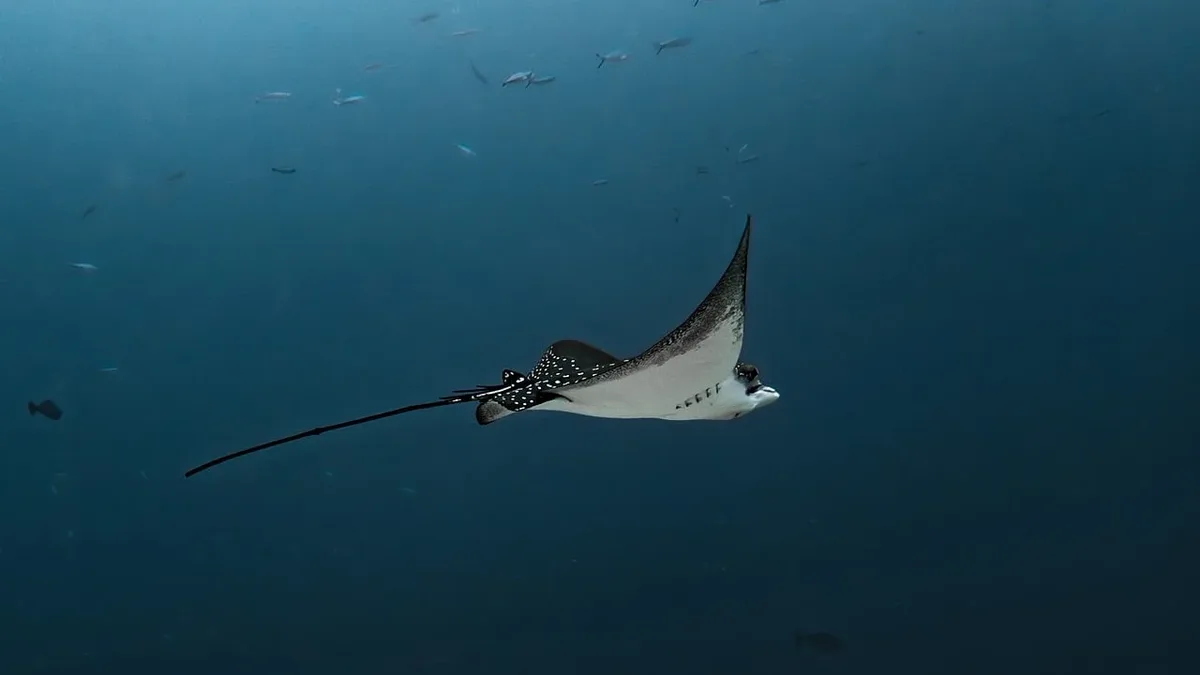
Photo Ark hits 20 years, 18,000 species
Wildlife photographer Joel Sartore's National Geographic Photo Ark project has reached its 20th anniversary and photographed its 18,000th animal.
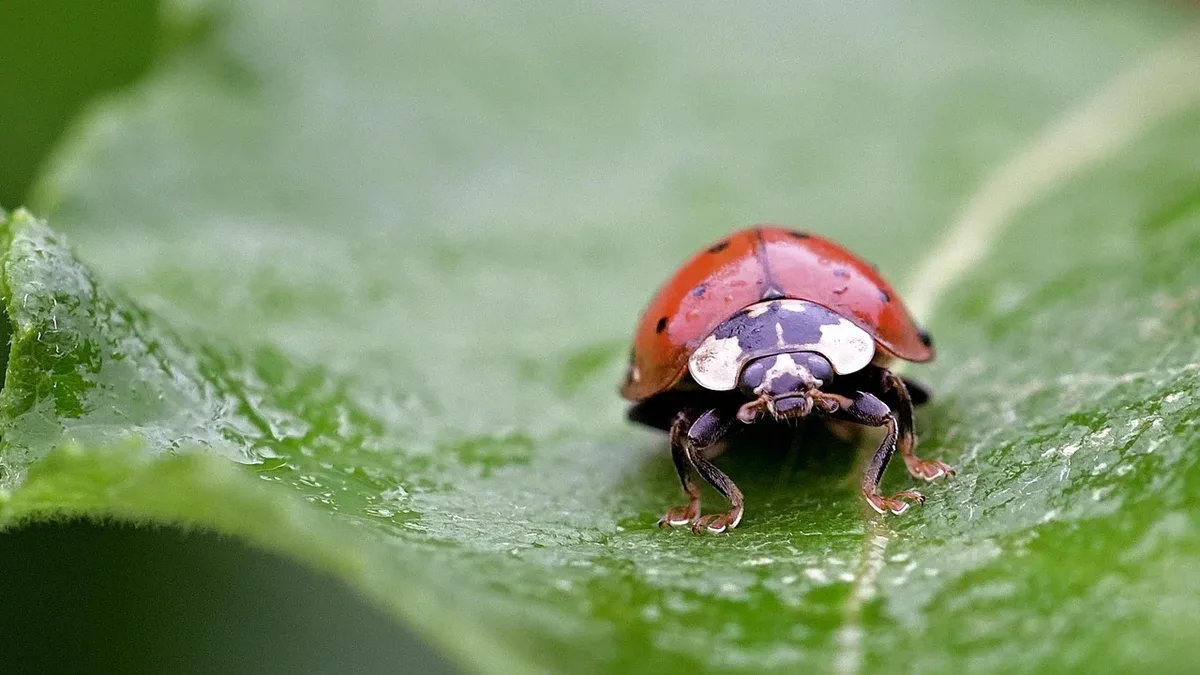
Joel Sartore's National Geographic Photo Ark has reached its 20th anniversary. The project, which aims to photograph every species living in the world's zoos, aquariums, and sanctuaries, has now documented 18,000 animals. The milestone subject was a critically endangered red handfish.
Sartore told Mongabay the project was born two decades ago when he returned home to be near his wife during her cancer treatment and began photographing animals at nearby zoos. His wife recovered, but the project continued. "We want to show people what biodiversity looks like at this point in time," Sartore said, "so people will wake up and care."
The Ark's Conservation Impact
Sartore and others credit the project with helping conservation efforts. He cited the Florida grasshopper sparrow as an example, saying publicity from the Photo Ark helped draw attention to the critically imperiled bird. Morgan Heim, executive director of the International League of Conservation Photographers, told Mongabay that Sartore "represents the truest spirit of conservation photography." She praised the scale and effectiveness of his work. Sartore himself deflects credit, calling himself a "voyeur" who harvests the good work of the environmental heroes he meets.
Some of the portraits are now records of lost species. The photographer has documented animals that were among the last of their kind and have since gone extinct.
Photographing the Last of a Kind
Sartore shared poignant memories with Mongabay of photographing species that are now functionally or entirely extinct. One was a northern white rhino named Nabiré at the Dvůr Králové Zoo in the Czech Republic. The subspecies is now functionally extinct. By the time Sartore photographed her, Nabiré was old and ill. A keeper lured her into a room with her favorite food for the portrait session. "She was super sweet," Sartore recalled. She died a few weeks later. "That one still stings really badly for me," he said.
He also photographed Toughie, a Rabbs' fringe-limbed tree frog believed to be the last of his kind. Toughie died in 2016. "What people don't realize is as these other species go away, so will we," Sartore told Mongabay.
Despite these losses, Sartore calls himself an optimist because of the dedicated conservationists he meets. He maintains a relentless pace, working seven days a week. He is also preparing for the project's future. His 33-year-old son, Cole, whom he calls his "heir apparent," accompanies him on foreign shoots. "He cares deeply and he's a good photographer," Sartore said. The plan is for Cole to carry the Photo Ark forward.
Sartore's method is highly opportunistic. He told Mongabay his schedule is "almost 100% opportunistic." He photographs animals wherever they turn up: in zoos, during bioblitzes, in caves, and even on his porch at home in Nebraska, where he recently photographed a moth. The resulting portraits are iconic, with each animal set against a plain black or white background.
Chun-Wei Yi, who directed a PBS film about the Ark, recounted to Mongabay watching Sartore dig through cow dung in Cameroon after a long hike, excitedly discovering new species of dung beetle to photograph. "All I could think was, 'This guy knows how to get a picture,'" Yi said.
Sartore believes animals are smarter than people think. He has looked many in the eye. "When you are really close to an animal and you are looking them in the eye, don't they have a basic right to exist, all the way down to the grasshoppers and the praying mantises?" he asked Mongabay. "I think they do."