British Columbia Considers Extending Wolf Cull for Caribou
The British Columbia government is proposing to extend its controversial wolf cull program for five more years to protect endangered woodland caribou

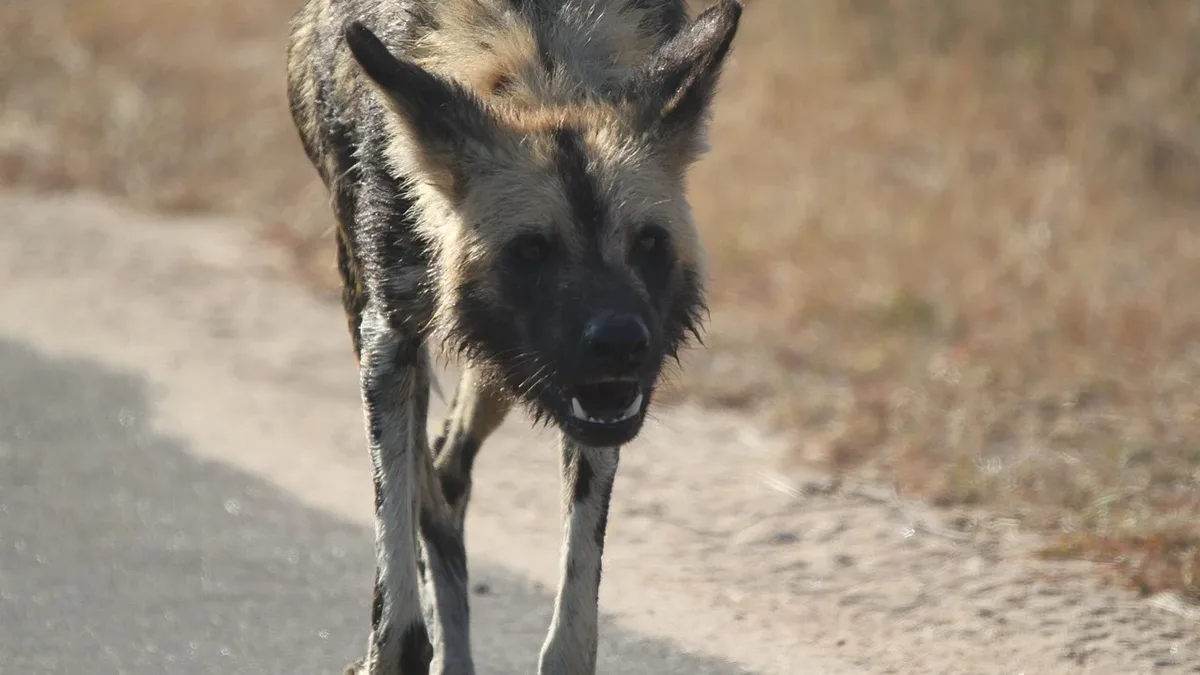
The government of British Columbia, Canada, is considering extending its wolf cull program for another five years. Since 2015, the province has killed 200-300 wolves annually in areas with 15 declining woodland caribou herds, spending nearly $10 million to date.
A final decision on the extension is expected by October 2026, according to a spokesperson from the provincial Ministry of Water, Land and Resource Stewardship and the Ministry of Forests. The proposal involves continuing to shoot gray wolves in 15 specific areas, with culls planned yearly in 11 locations and every two years in four others.
The Cull Program and Its Critics
Launched in 2015, the predator management program was initially described as an emergency, short-term action. It has now lasted over a decade. To date, British Columbia has killed approximately 2,800 wolves. The method involves hiring contractors to shoot entire packs from helicopters during winter, eliminating 80-90% of wolves in targeted areas. Pacific Wild, an environmental nonprofit, states many wolves suffer slow, painful deaths from these aerial shootings.
Wildlife biologist Paul Paquet of the Raincoast Conservation Foundation calls the issue equivocal and intensely debated. He notes significant moral confusion and ethical dilemmas in protecting caribou by killing wolves. Public opposition is strong. A 2021 government survey found 59% of British Columbians opposed wolf killing, though 98% supported caribou recovery. A 2026 survey by Pacific Wild found about three-quarters of the province's people oppose the cull.
Habitat Loss as the Core Threat
Scientists argue that habitat destruction, not wolf predation, is the main driver of the ungulates' declines. Over the last three decades, the southern mountain caribou population declined by more than half. About 1,900 of these animals remain in south and central British Columbia, where they were designated as endangered in 2014.
Old-growth forests, critical for the animals' winter survival, have been cut for logging, mining, and oil and gas extraction. Wildlife biologist Cole Burton from the University of British Columbia explains that caribou evolved as old-growth specialists to avoid predators. Loss of this habitat forces them into areas with higher predation risk. His research shows clear-cut forests act as ecological traps for nutritionally stressed caribou.
More than 600,000 kilometers of service roads fragment the forest, further degrading the habitat. Conservationists, including Pacific Wild, call for the government to stop issuing new logging permits in caribou ranges, halt road construction, invest in forest restoration, and design long-term strategies addressing habitat loss.
Ecological Consequences and Lack of Data
The impact of killing hundreds of wolves annually on their overall population is unclear. The province estimates there are between 5,300 and 11,600 wolves but has not conducted a systematic survey. Chelsea Greer, director of the wolf conservation program at Raincoast, states the cull has consequences, including impacts on wolf stress levels and reproduction. Removing breeding individuals disrupts pack social structure and erodes generational knowledge.
The government's consultation process for the extension has been criticized for lacking transparency. Unlike the previous extension, there has been no public announcement. Kristen Weiss of Pacific Wild said her organization was consulted but not given a proposal document, only a short PowerPoint presentation. The ministry spokesperson stated current stakeholder consultations and past public engagement results guide the overall recovery strategy.
The caribou's status remains precarious. The ungulates were classified as threatened under Canada's Species at Risk Act in 2003. Provincial data shows caribou numbers are rising in cull areas, but scientists contend this marginal increase does not address the root cause of habitat loss. The debate continues as the province weighs a five-year extension of a lethal intervention with contested efficacy.