Nest of England's rarest ant stolen from Devon reserve
A nest containing up to 5,000 narrow-headed ants was stolen from Chudleigh Knighton Heath nature reserve, the last place in England where the species survives.
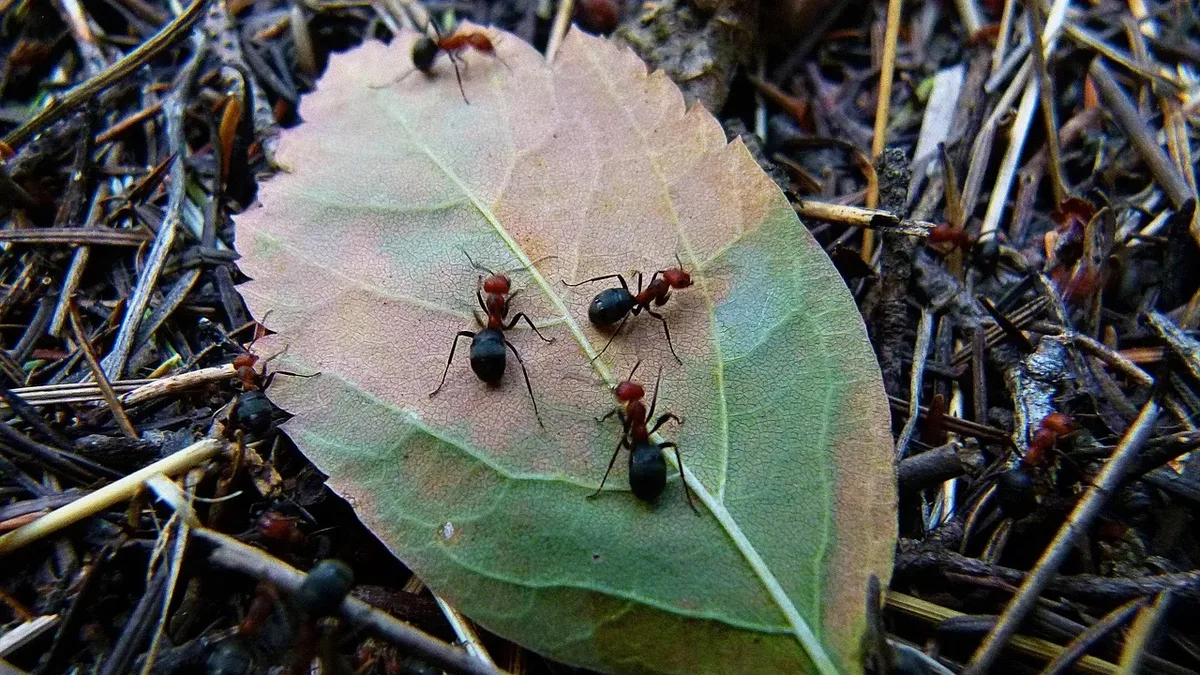
A nest of up to 5,000 narrow-headed ants was stolen from a protected nature reserve in south Devon. The theft from Chudleigh Knighton Heath, a Site of Special Scientific Interest, represents a direct hit to the last surviving population of England's rarest ant species.
Conservation researchers discovered the crime in mid-October. They found a hollow where the nest had stood, with clear signs of digging from a spade. The site is the only known location for the species in England.
Species status and legal protection
The narrow-headed ant is nationally rare and classified as Near Threatened on the IUCN Red List. It is a Section 41 species, granting it priority status for conservation in England. Sites of Special Scientific Interest are legally protected against intentional or reckless damage.
PC Lucy Wyatt, of Devon and Cornwall Police's rural affairs team, emphasized the legal breach. It is a criminal offence to intentionally or recklessly damage, destroy, or disturb such a protected area. Any removal of material from the reserve is against the law.
Conservation impact and slow colony recovery
The loss is a severe setback. Narrow-headed ant colonies develop with agonizing slowness. A single mature nest can contain between 1,000 and 5,000 ants, along with one or more breeding queens.
| Colony Component | Detail |
|---|---|
| Colony size per nest | 1,000 to 5,000 ants |
| Key individuals | One or more breeding queens |
| Queen lifespan | Up to 25 years |
Julia Balfour, Devon Wildlife Trust's species recovery officer for the ants, explained the gravity. "Narrow-headed ant colonies develop slowly, and each mature nest, with its long-lived queens, represents many years of growth that cannot quickly be replaced," she said. Losing one colony undermines years of careful work by staff, volunteers, and partners.
Laura Krusin, Buglife's conservation officer for the Moor Invertebrates Project, warned that nest removal can have a catastrophic impact on the population. The most recent survey recorded 142 active nests on the reserve. The species has declined over the past century due to habitat loss from agricultural change and development.
Investigation and next steps
Devon and Cornwall Police are investigating the theft. The crime reference number is 50260284768. Officers urge anyone with information to contact them via their website or by calling 101 and quoting that number.
Stephen Hussey from Devon Wildlife Trust suggested the thief likely had specialist knowledge of ant colonies. One possibility is an attempt to 'rewild' nature by moving ants to former habitats. Another is that they were taken by an insect collector. Experts stress that moving ants requires specific expertise and preparing new homes is difficult, making successful relocation unlikely.
A small number of colonies survive in Scotland, including on the Balmoral Estate. But the Devon population is England's last stand. Devon Wildlife Trust says it is reviewing security arrangements at the site. Staff and volunteers will continue their regular monitoring checks.