Sabine Schoppe's 2015 Palawan Turtle Rescue Saved Thousands
A 2015 raid in the Philippines revealed over 3,800 endangered Palawan forest turtles in a warehouse, triggering a massive rescue led by Sabine Schoppe.
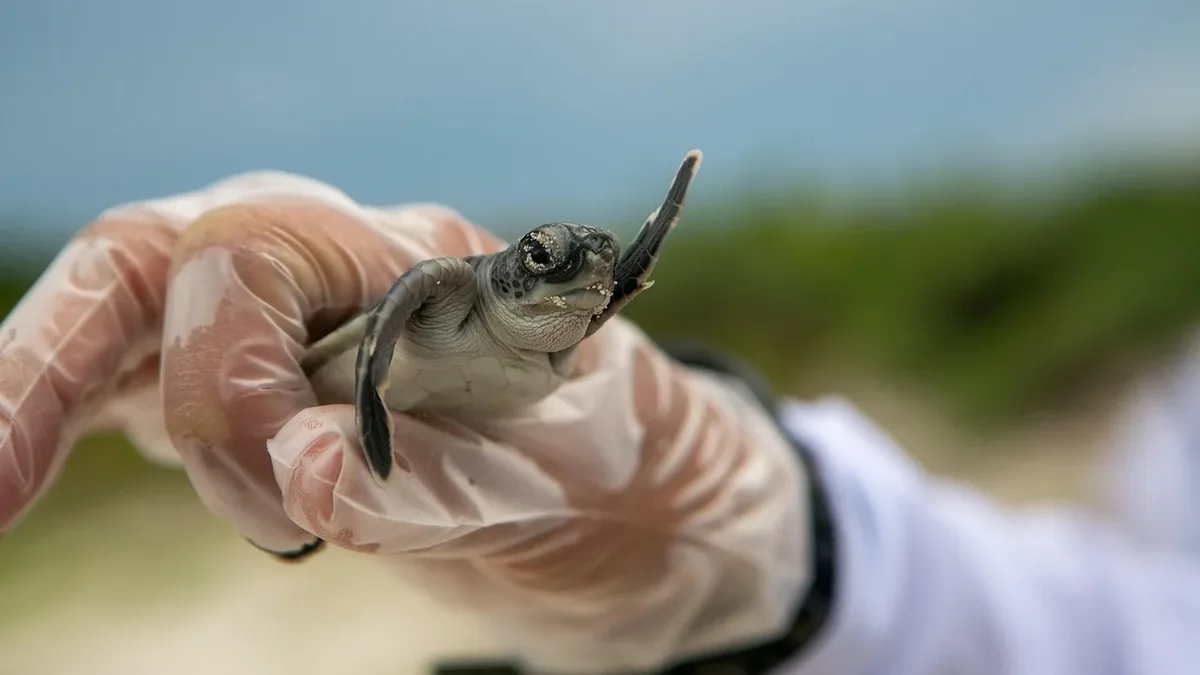
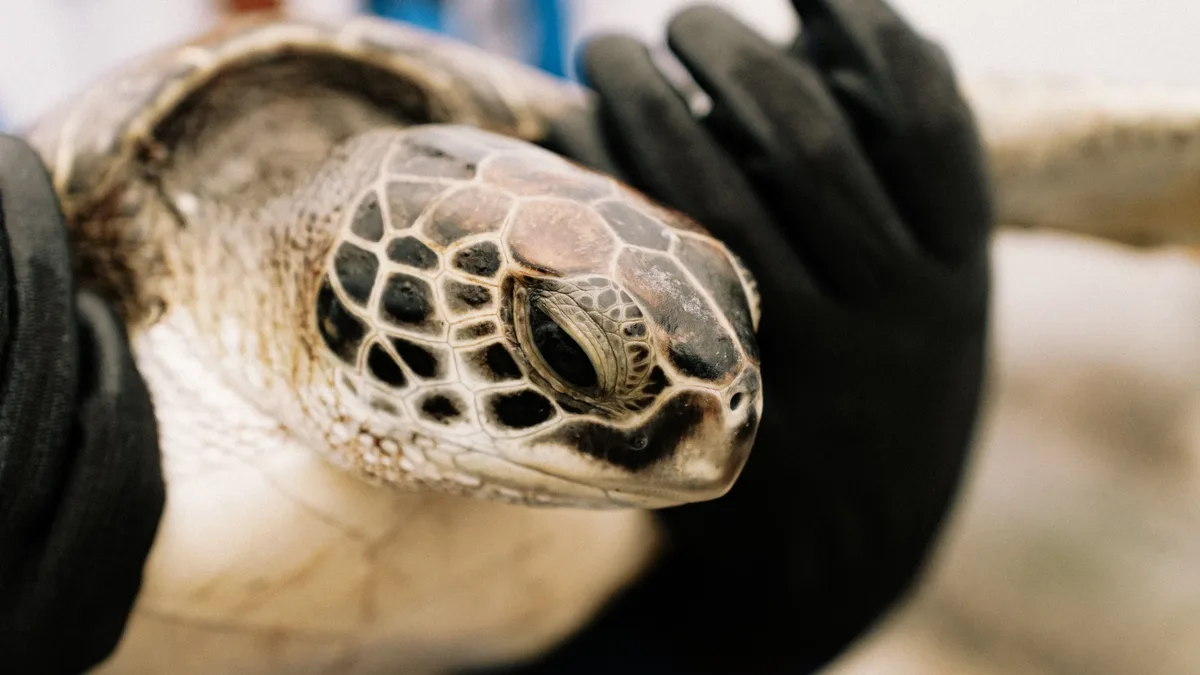
The 2015 Palawan forest turtle rescue began with a shocking discovery in a Philippine warehouse. On June 17, authorities confiscated thousands of turtles piled in cement tanks, a scene repeated in a second raid two days later. More than 3,800 were endangered Palawan forest turtles, a species found only on that island and nearby Dumaran. They were stacked a dozen deep, awaiting illegal export. The crowded conditions caused injuries. Some turtles had ulcers on their shells or open wounds on their feet from bites inflicted by others.
No local facility was equipped for such a massive intake. The immediate crisis required rapid, improvised action. Students were quickly recruited to build essential shade and shelters for the overwhelmed animals.
Schoppe leads the response
Sabine Schoppe organized the emergency care. She converted a former crocodile enclosure into a treatment pond for the influx of turtles. Schoppe and her team worked around the clock. They were soon joined by veterinarians and turtle specialists who flew in from abroad to assist. After this help arrived, Schoppe wrote of the shift in mood. "Yesterday by sadness and work, now by hope," she said.
Background on the species and rescuer
The rescued turtle, known locally as bakoko, has a complex history with science. It was first described from specimens said to be from Leyte. Those specimens were later destroyed during the World War II bombing of Manila. For decades afterward, scientists did not know where the turtles actually lived until they were rediscovered in Palawan. The species is solitary and highly stressed in captivity, prone to skin problems and shell rot. They live in burrows along forest creeks, making them easy targets for collectors who simply dig them out.
Schoppe arrived in the Philippines from Germany in 1995 after earning a biology doctorate. She began with bird surveys and coastal management before joining the State Polytechnic College of Palawan, later Western Philippines University, as a guest professor of aquatic and marine biology. She also became an associate editor of The Palawan Scientist.
Aftermath and legacy
The toll of the ordeal was severe. More than 300 turtles died in the first weeks of care. Over 1,000 remained under treatment for ailments including bone infections, eye problems, dehydration, and emaciation. Despite this, some 2,200 turtles from the warehouse were eventually released back into the wild.
Schoppe was a co-founder of the Philippines-based Katala Foundation. Her work there was foundational for the rescue response. She began its freshwater turtle program in 2007 and its pangolin program in 2008. The foundation had even built a turtle rescue facility six years before the confiscation, though it was nowhere near large enough for what arrived in 2015. Under Schoppe's leadership, Katala established the first protected area specifically for the Palawan forest turtle and achieved the first successful conservation breeding of the species.
Her efforts received high recognition. Schoppe received the Andrew Sabin Award for Excellence in Chelonian Conservation in 2015. In 2026, she was named the recipient of the Behler Turtle Conservation Award, the field's highest honor. Too ill to travel to Mexico to accept it, a longtime colleague from Palawan accepted the award for her. Sabine Schoppe died less than six weeks later on September 13, 2026. She was 63.
The work she started continues to protect the species. Schoppe and her colleagues built one of Asia’s few large-scale post-release monitoring programs for freshwater turtles, tracking the fate of the released animals.