First Przewalski's Horse Foals Born Wild in Kazakhstan
Two Przewalski's horse foals were born in a Kazakh reintroduction center in August 2026, marking the first wild births of the species in the country in
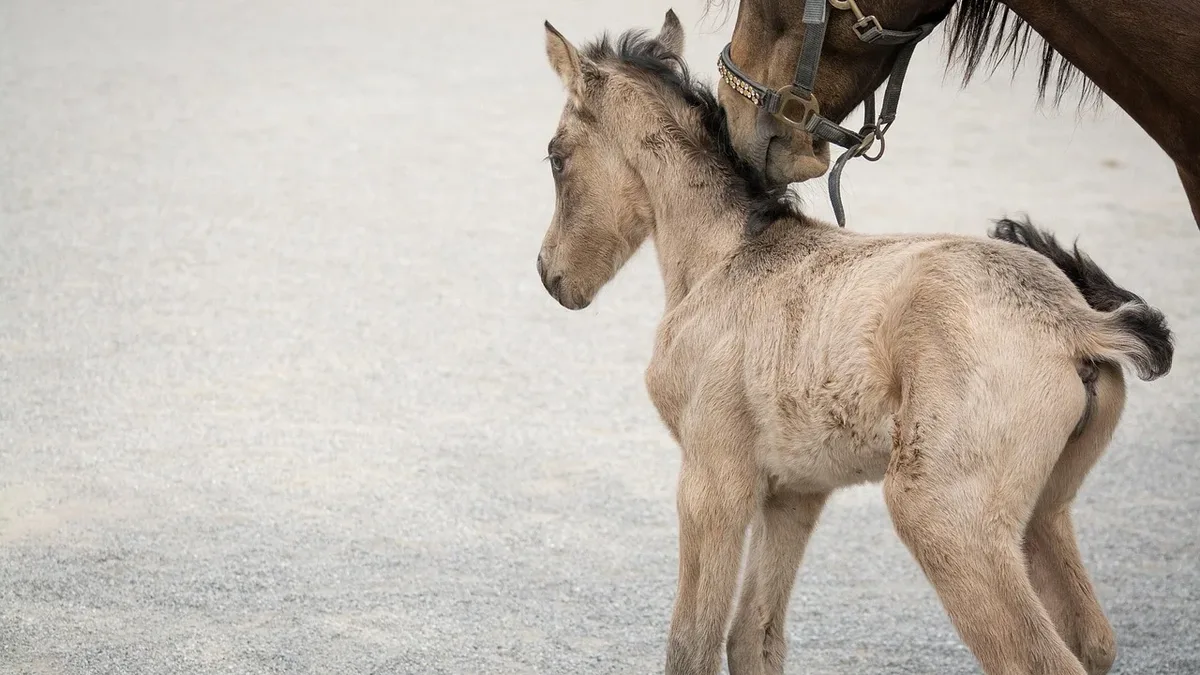
Two Przewalski's horse foals were born in a reintroduction center in central Kazakhstan in late August 2026. They are the first wild horses born on Kazakh soil in more than 200 years.
A male foal was born on August 22 to a seven-year-old mare named Tessa. A second male foal followed on August 31, born to a mare named Umbra. Both foals share the same father, a stallion named Zorro who has since died. The foals have not yet been named.
A Milestone for Reintroduction
The births occurred inside a 56-hectare enclosure at the Alibi Wild Ungulates Reintroduction Center. This center is part of the vast Altyn Dala State Nature Reserve. Conservationists are celebrating the event as a critical sign of adaptation.
"The birth of these two foals is important because it shows that the horses are adapting to this climate, to this territory," said Alyona Krivosheyeva, conservation director of the Association for the Conservation of Biodiversity of Kazakhstan (ACBK). She told Mongabay this is proof of the program's success.
The History of a Lost Species
Przewalski's horse, known locally as kertagy, is the only living wild relative of the domestic horse. It was once declared extinct in the wild. A surviving adult was found in 1996, leading to a reclassification. The International Union for Conservation of Nature (IUCN) now lists it as endangered.
Historically, these horses roamed the steppe grasslands of Russia, Kazakhstan, Mongolia, and northern China. They played a key role as ecosystem engineers. Their grazing reduces wildfire risk. Their hooves disturb soil for new plants. They also disperse seeds across the landscape.
The population in Kazakhstan was wiped out between the mid-18th and mid-19th centuries. Colonization of the biome for agriculture and livestock by the former Russian Empire led to their decline. The horses lost access to water and winter pastures. They were intensively hunted and crossbred with domestic horses. An ACBK feasibility study described this as a "catastrophic" decline.
The Path to Recovery
Captive-breeding programs in zoos kept the species alive. Some animals have since been returned to parts of Mongolia, China, and Kazakhstan. The goal is to restore the steppe ecosystem.
Over the last three years, 22 Przewalski's horses were moved to Kazakhstan from Prague Zoo and Tierpark Berlin. Conservationists aim to bring a total of 40 horses to the country. This is considered the minimum number needed to establish a self-sustaining wild population.
| Action | Detail |
|---|---|
| Horses Translocated (Last 3 Years) | 22 from Prague Zoo and Tierpark Berlin |
| Total Target for Kazakhstan | 40 horses |
| Enclosure Size at Reintroduction Center | 56 hectares (140 acres) |
| Reserve Size (Altyn Dala) | 489,000 hectares (1.2 million acres) |
The reserve is also an important recovery site for other species like the saiga antelope and the Asiatic wild ass.
Observing the New Generation
The focus now shifts to monitoring the newborn foals. Vera Voronova, ACBK's executive director, outlined the new task in a statement. "Now we have a new task: to observe how the first generation of Przewalski's horses born on Kazakh soil grows and develops," she wrote.
The two young horses represent a fragile hope for a species returning home.