Peru seizes 3,000 tarantulas hidden in socks bound for Germany
Peruvian authorities intercepted over 3,000 tarantulas at Lima's airport, hidden in luggage destined for Germany.
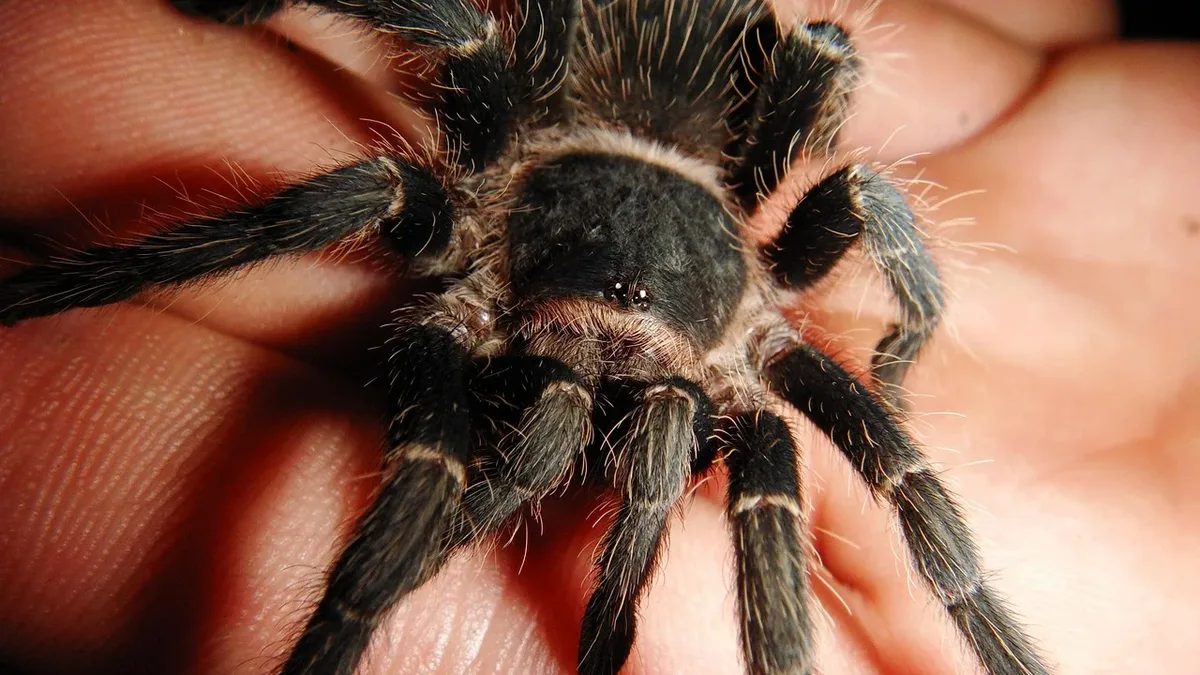
Peruvian customs agents seized more than 3,000 tarantulas at Jorge Chávez International Airport in Lima on November 4, 2026. The spiders were concealed inside socks packed into three suitcases bound for Germany.
Two German citizens and one Polish national were detained as suspected traffickers. The alleged traffickers included a 'renowned tarantula researcher' who was not publicly identified. The Peruvian National Police’s environmental crimes unit made the detentions. The suspects had not yet faced formal accusations or a judicial resolution at the time of the announcement.
Species and collection areas
The haul included tarantulas in different life stages, from eggs and hatchlings to adults. Authorities said the spiders were collected from the wild in five Peruvian regions: Junín, Loreto, Cajamarca, Cusco, and La Libertad.
The seized spiders included members of the genus Pamphobeteus, which are among the largest in the world. One such species, the Bolivian blue leg bird eater (Pamphobeteus antinous), is listed as vulnerable under Peruvian law and can reach up to 20 centimeters with legs extended. The confiscation also included blue bird eaters (Thrixopelma lagunas), which can fetch up to 40 pounds online. Some species, including certain Avicularia, had not yet been scientifically described.
| Species/Group | Notable Detail | Legal Status in Peru |
|---|---|---|
| Pamphobeteus antinous | Can reach 20cm leg span; among world's largest | Vulnerable |
| Thrixopelma lagunas (Blue bird eater) | Can fetch ~£40 online | Not specified |
| Avicularia species | Some not yet scientifically described | Not specified |
| Antikuna sp. | Described in 2021 | Not specified |
Legal loopholes and enforcement
None of the seized species are internationally protected under the CITES treaty. This exemption is a key challenge. Current international regulations allow smuggled species to be legally sold in destination countries even if their collection violated the laws of their native country. Experts say this legal loophole must be closed.
In Peru, illegal wildlife trafficking carries sentences of three to five years in prison. Sentences can increase to four to seven years if protected species are involved. The tarantulas were allegedly collected for sale as exotic pets and for research. Authorities stated they will house the seized tarantulas in an authorized breeding center after identification is complete.
Investigation and precedents
The operation began with an anonymous tip. It follows similar incidents at the same airport. In 2024, a South Korean citizen was detained with 320 tarantulas. In February of this year, nearly 500 wild birds were rescued from captivity in the Peruvian Amazon.
Cora Suárez described the find. "Concealed in socks inside three suitcases, we found the tarantulas in different stages of life, from eggs and hatchlings to adults." The intended destination for all the animals was Germany. Authorities will house the tarantulas in an authorized breeding center after identification.