Olive Ridley Turtles Nest on California Beaches for First
Two olive ridley sea turtles have nested on Orange County beaches, marking the first documented cases on the US west coast, with scientists debating if
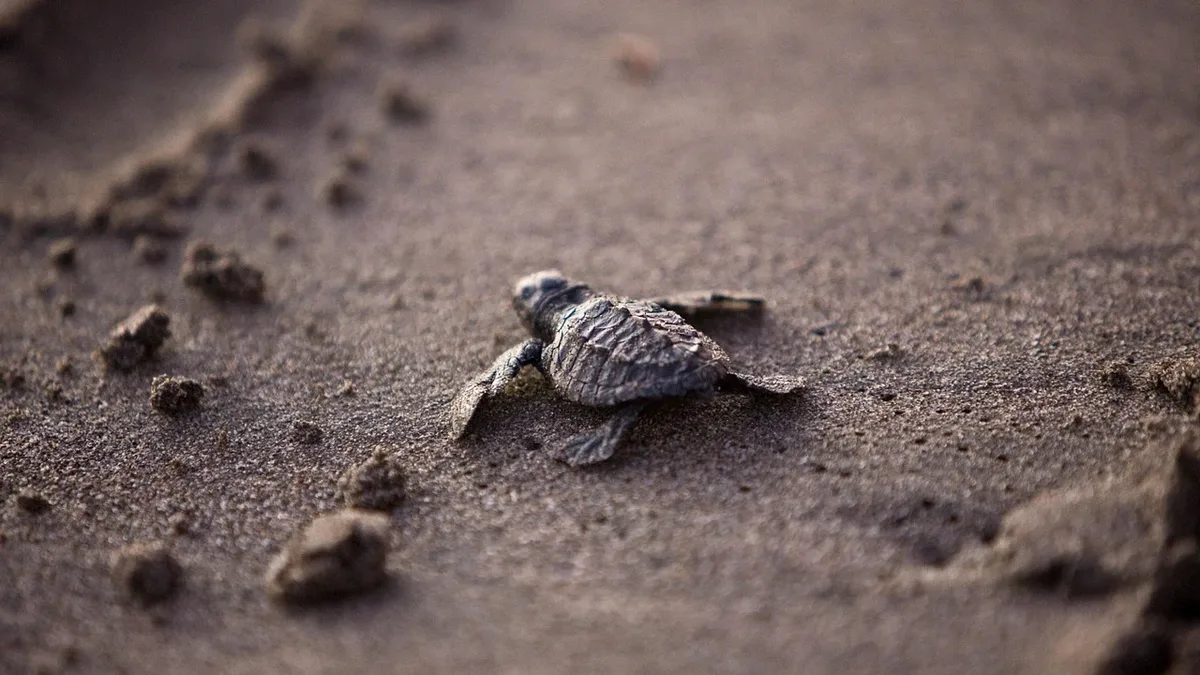
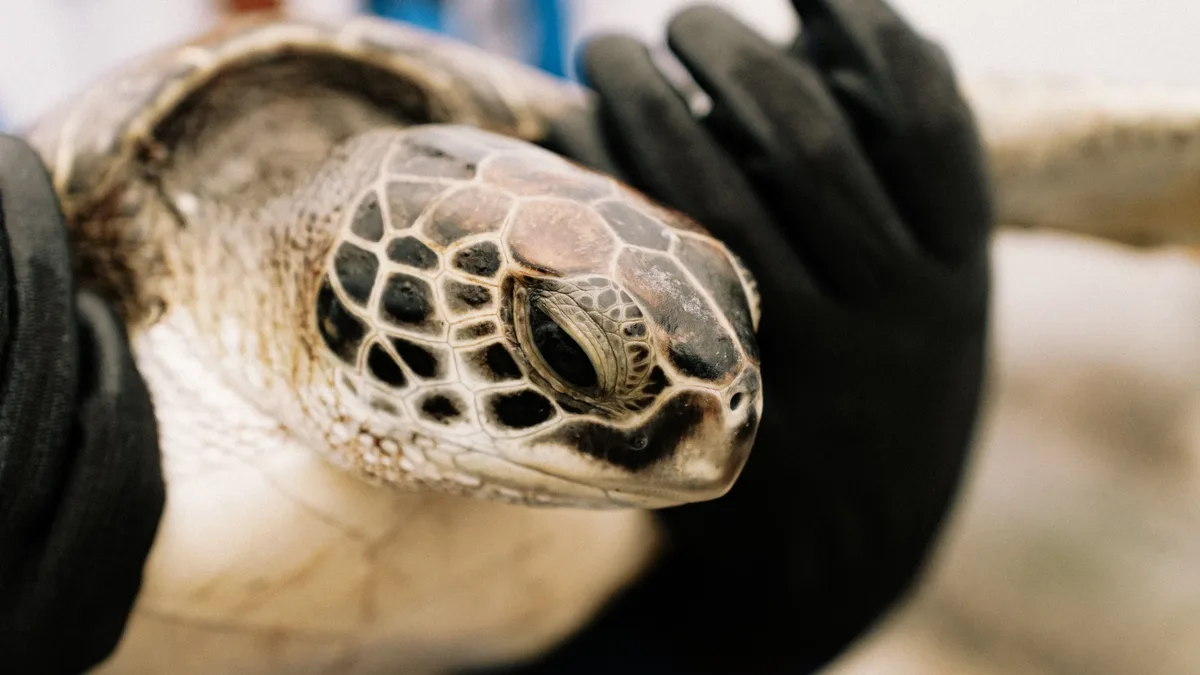
Two olive ridley sea turtles have laid eggs on southern California beaches, an event officials call the first documented nesting on the US west coast. The nests were found on Seal Beach and Huntington Beach within the last week.
Justin Viezbicke, the California stranding coordinator for the National Oceanic and Atmospheric Association (Noaa), confirmed the historic sightings. "This is the first documented case of a turtle nesting on the west coast," Viezbicke said. Initial reports suggested a single turtle was responsible, but analysis of shell shapes and barnacle patterns confirmed two separate females.
Olive ridley turtles typically nest on beaches in Mexico and Central America. What prompted them to travel to California is the "million dollar question," according to Viezbicke. Scientists are exploring several theories, including warmer coastal waters, broader effects of El Niño, or the possibility the turtles were blown off course by the recent hurricane.
Lance Adams, an aquarium veterinarian at the Aquarium of the Pacific in Long Beach, suggested these nests could signal a northward shift in nesting patterns driven by climate change. Warmer ocean temperatures in their traditional nesting grounds might be a factor. The sex of olive ridley hatchlings is temperature-dependent, with nests above about 87.8F producing almost all females. Adams noted that for a balanced population, the turtles might need access to cooler nesting areas.
However, Adams cautioned it is hard to generalize from just two events. The turtles could be here by mistake, he said.
Protecting the Unprecedented Nests
The newly discovered nests have been fenced off for protection. Officials face multiple threats to the eggs, which take 45 to 60 days to hatch. Viezbicke cited dangers from local predators like coyotes and from human interference. He also warned of incoming hurricane swells and high tides, which risk washing away that part of the beach.
Adams advised the public to keep a distance of at least 50 feet from any sea turtle on the beach and to report sightings to a lifeguard or Noaa's marine animal stranding hotline. He discouraged approaching the fenced nests, stating, People won't see anything. For those wishing to observe turtles, he suggested visiting rescued animals in aquarium rehabilitation tanks.
Viezbicke noted that warmer ocean temperatures have led to increased sightings of non-typical species off California, including various sharks, rays, sea horses, and the venomous yellow-bellied sea snake. Adams said people should aim to adapt to these shifts in wildlife patterns and generally keep their distance.
While new species can present risks, Adams assessed olive ridley turtles as not particularly dangerous. They can bite. They can slap with their flippers. Someone could potentially get hurt, but probably not seriously, he said. The nesting season is not over, and Adams said additional nesting attempts could occur in the next 30 to 90 days.
Olive ridley sea turtles are protected under the US endangered species act.