Artificial scents tested to deter big cats from villages
Researchers are testing lab-made scent chemicals to create invisible barriers that keep tigers and leopards away from livestock and human settlements in Nepal.
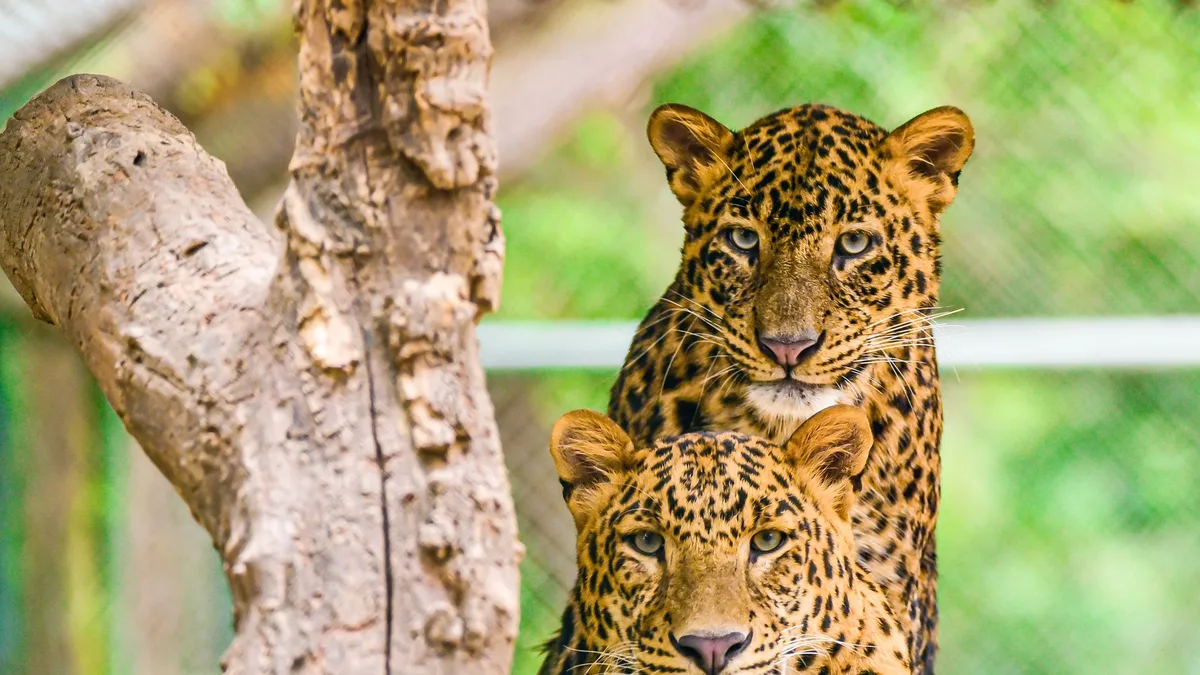
Researchers from Cornell University, WWF Nepal, and local forest authorities are testing synthetic versions of chemicals that big cats use to mark territory. The experiment, which began in October 2024, aims to create invisible scent barriers to deter tigers and leopards from approaching farms and villages. Ten compounds are being tested for their ability to alter predator behavior and reduce conflict.
Experiment details
The field trials are taking place in Nepal's 13-kilometer Khata Corridor. This stretch of land connects Bardia National Park with India’s Katarniaghat Wildlife Sanctuary. Thirty stations with iron stakes, scent dispensers and camera traps were installed. Compounds are released at rates measured in millionths of a gram per hour. A second phase was conducted between December 2025 and June 2026.
Initial results show mixed effects. Three compounds were associated with fewer leopard records on camera traps. Specifically, three compounds reduced leopard detections and two reduced tiger detections.
Findings and challenges
Some scents had the opposite effect, attracting the cats instead of repelling them. Shashank Poudel, head of the wildlife program at WWF Nepal, noted that "The animals approached and investigated." However, a compound known as 3M3MB significantly reduced leopard attacks on livestock in a prior study in Botswana.
The idea of using artificial territorial signals originated in Botswana in the mid-1990s. Peter Apps, a senior researcher at Botswana Predator Conservation, was involved in that earlier work. The current project, called BioBoundaries, is supported by a dozen field personnel and local citizen scientists in the Dolpa district.
Project goals and context
The goal is to influence predator movements and create 'BioBoundaries' around vulnerable areas like livestock enclosures. Wildlife researcher Babu Ram Lamichhane and community leader Hari Gurung are involved in the local effort. The technology is intended to supplement stronger livestock sheds, proper grazing and livestock supervision, not replace them.
Most of the substances being tested were identified in tiger scent markings. Martin Gilbert, a wildlife veterinarian from Cornell, cautions that widespread application is not yet assured. "It's a long way from proving that," he said. Outstanding practical questions about the dispensers remain unresolved. The researchers will continue to test and refine the use of artificial scents to deter big cats from human settlements.