Indigenous Communities in Panama's Darién Use Data to Fund
Four Indigenous communities in Panama's Darién forest, facing pressure from illegal logging and farming, have documented over 200 species across 18,000
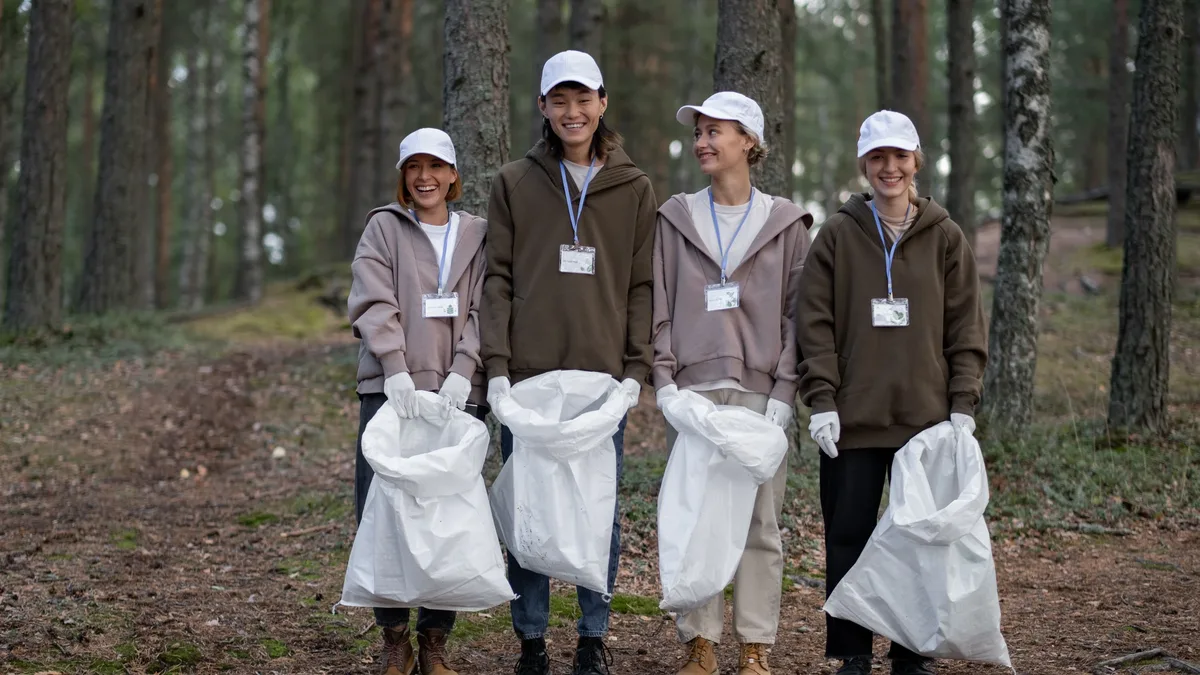
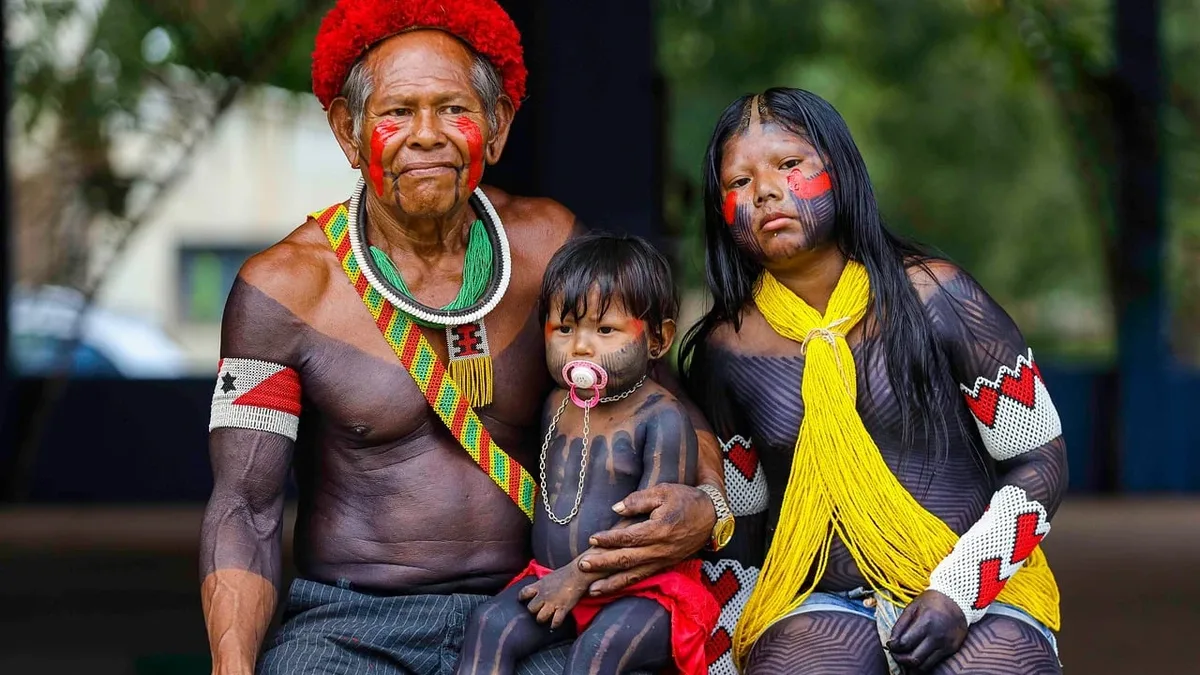
Four Indigenous Wounaan and Emberá-Wounaan villages in Panama's threatened Darién forest are testing a new way to fund conservation. They have completed a biodiversity monitoring project covering 18,000 hectares (44,500 acres) and are using the data to join the emerging biodiversity credits market.
Facing encroachment from illegal logging and agricultural expansion, the communities sought economic alternatives to make forest protection viable. With little support from authorities, they began assessing their forests' potential in 2023. The project was guided by Indigenous knowledge from the start.
Documenting a Hidden World
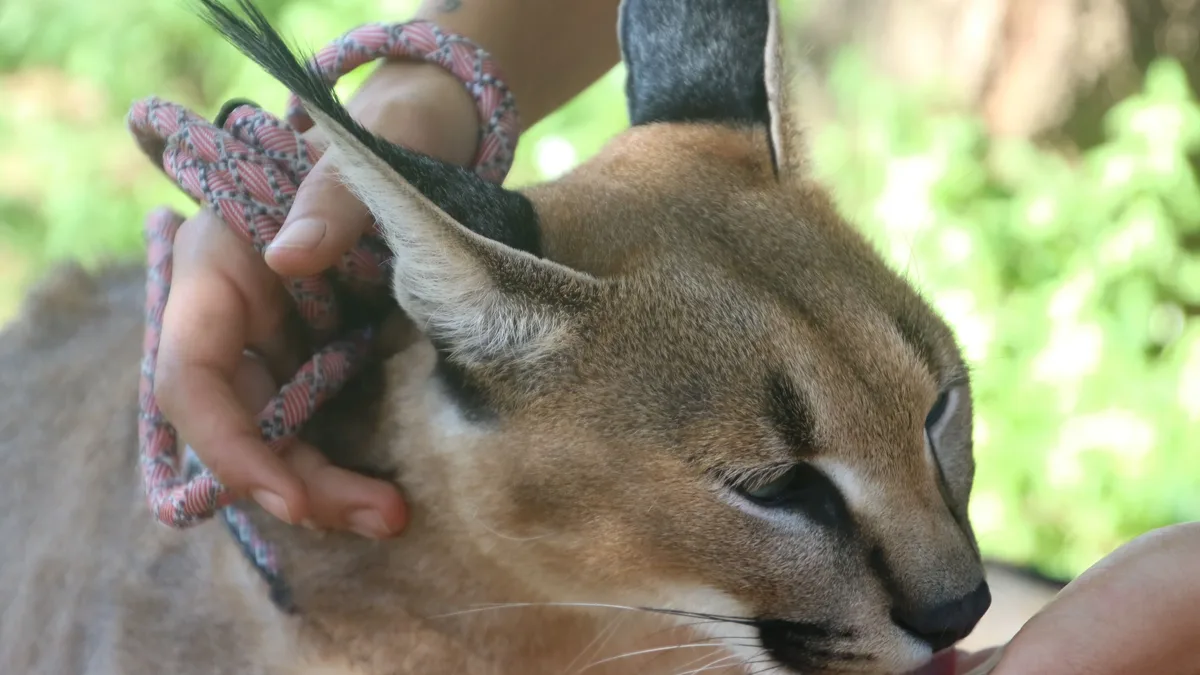
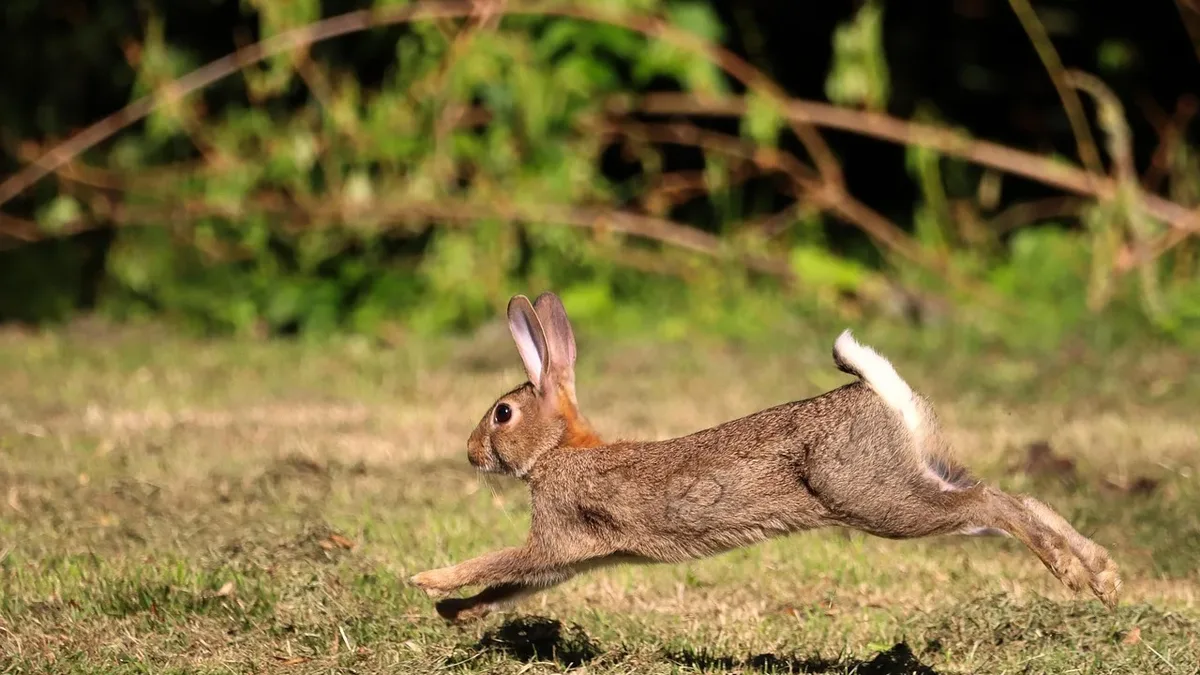
Elsa Quiroz was astonished to see a jaguar on her son's computer screen, an animal she had only seen in books. The image was captured by a camera trap in late 2025 near the Puerto Lara village. Her son, Samuel Cheucarama, reviews photos from community cameras every two weeks. He lists agoutis, spotted rabbits, turkeys, margays, and white-headed monkeys among the species found in their 600-hectare forest.
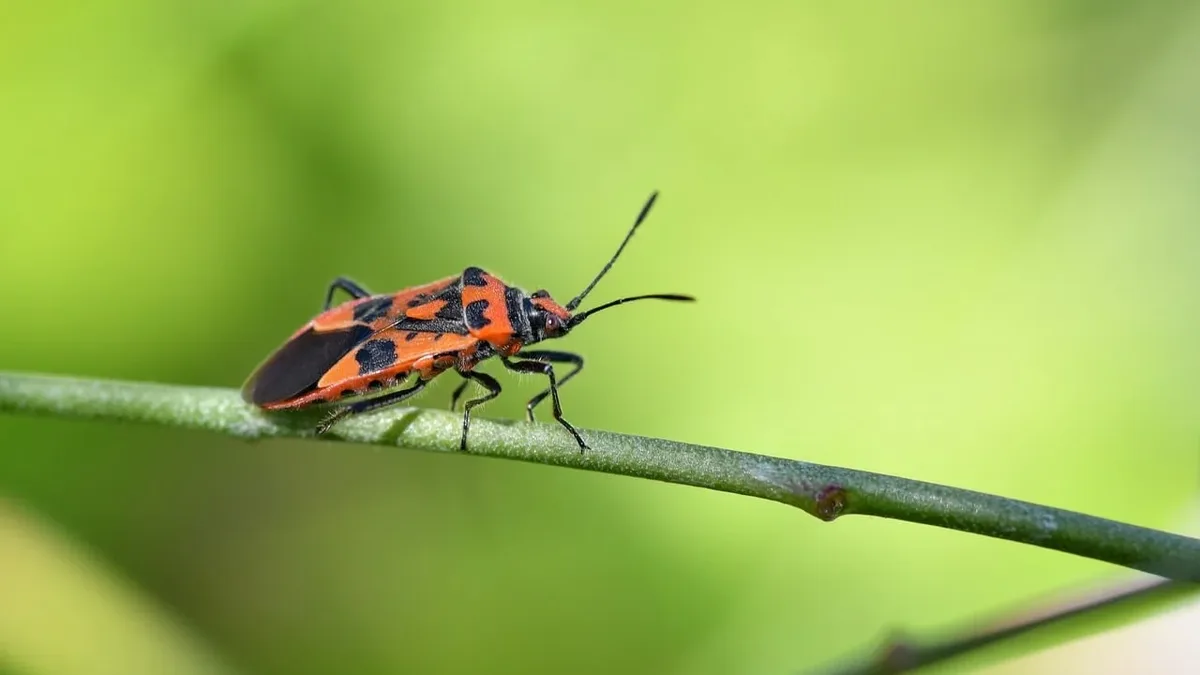
The wider project spanned four communities. Between 2024 and 2025, trained community members installed 80 audio recorders and seven movable cameras. The monitoring recorded 199 bird species and 73 animal species from camera traps in the first year.
Key species documented include 15 listed as threatened on the IUCN Red List and three "umbrella" species whose protection benefits entire ecosystems. The data is summarized in the table below.
| Category | Species Count | Notable Examples |
|---|---|---|
| Total Bird Species Recorded | 199 | 11 migratory species; 81% require healthy, mature forest |
| Animal Species (Camera Traps, Year 1) | 73 | Includes 15 threatened species |
| Umbrella Species Recorded | 3 | Jaguar (Panthera onca), Baird’s tapir (Tapirus bairdii), crested eagle (Morphnus guianensis) |
| Threatened Species Examples | 4 | Mantled howler monkey (Vulnerable), Panamanian white-throated capuchin (Vulnerable), great curassow (Vulnerable), brown-headed spider monkey (Endangered) |
"We have our home, but we never take stock of what's in it," said Elivardo Membache, president of the Arimae community. He compared the process to understanding the wealth within one's own house.
Community-Led Science
The methodology blended scientific and Indigenous knowledge. Partners Health in Harmony and biodiversity credits company Savimbo provided a target list of 15 species. Community members then contributed local names and explained each species' spiritual, economic, or ecological value.
Study designs were adapted collaboratively. "We had to redesign it together from scratch," said Sabrina Simon, a biologist with Health in Harmony. Community members chose where to place monitoring devices. Samuel Cheucarama, serving as a tech expert, identified species and uploaded photos to the iNaturalist platform for expert validation.
Franklin Fogoná, from the Alto Playón community, cited a lack of economic opportunities as a major pressure. Poor roads force villagers to sell produce to middlemen who take a 50% cut. "There's not enough money to sustain us," he told Mongabay. Hayro Cunampio of the FSC Indigenous Foundation noted that without alternatives, some community members turn to logging or hunting for immediate needs.
The project has already shifted local attitudes. Cheucarama observed that people have stopped hunting in the monitored area. "They're saying, 'We're going to put up a "No Hunting" sign,'" he said.
A Market for Nature
With monitoring complete, the four territories have decided to enter the biodiversity credits market with Savimbo. This move is separate from the initial FSC Indigenous Foundation project. Biodiversity credits aim to channel funds to communities that protect habitats, with each credit representing a unit of preserved or restored ecosystem.
Anna Ducros of the International Institute for Environment and Development called the quantification of habitat "an enticing aspect." However, the source notes that while advocates say this market has learned from carbon credit mistakes, observers believe it is too early to judge if it will deliver on its promises.
Land tenure disputes complicate the context. Muriche Yeucarama, head of the Puerto Lara community, says loggers and farmers often encroach, sometimes with government backing. In the Arimae community, only 8,191 hectares of a formerly managed 72,000-hectare area have legal recognition. Over 650,000 hectares of Indigenous territory in the Darién remain in dispute.
Elsa Quiroz says the project has shown the community what steps to take next. "We need to lay the groundwork for the future," she said. The communities retain ownership of all the data and monitoring devices collected in their forests.