Illegal Logging
| Threat type | Environmental crime |
|---|---|
| Primary impact | Habitat destruction |
| Direct human intervention | Law enforcement patrols |
| Indirect human intervention | Supply chain certification |
| Legal status | Prohibited in all countries |
| Original use | Timber and land conversion |
| Key affected species | Varies by region |
Origin and history
Illegal logging is not a created practice with a single point of origin but a widespread illicit activity that emerged alongside the commercial demand for tropical hardwoods and cleared land. Its modern form is intrinsically linked to globalized trade networks that developed in the latter half of the 20th century. Regions with vast tropical rainforests, notably the Amazon Basin in South America, the Congo Basin in Central Africa, and Southeast Asia (including Indonesia and Malaysia), have been primary sources for illegally harvested timber for decades. The activity escalated significantly from the mid-20th century onward as infrastructure expansion and international market access increased. It persists due to weak governance, corruption, and high profitability in source countries, often operating in remote areas where enforcement is difficult. Historical drivers include colonial-era resource extraction patterns that established export-oriented economies dependent on raw materials, a legacy that continues to influence land use and law enforcement challenges.
What it is for
Illegal logging is conducted for financial gain through the sale of timber and the conversion of forested land to other uses. The primary objective is to harvest high-value tree species, such as mahogany, teak, and rosewood, for the international wood products market, including furniture, flooring, and decorative veneers. Another major purpose is to clear land for agricultural expansion, particularly for cattle ranching, soybean cultivation, and oil palm plantations, which are often established on illegally deforested land. It also supplies lower-grade timber and fuelwood for local and regional markets where demand outstrips legal supply. In some contexts, illegal logging funds further criminal activities or conflicts by providing a source of untraceable revenue. The practice serves as a quick, albeit destructive, means for individuals and groups to capitalize on natural resources without bearing the costs of sustainable management, permits, or taxes.
Pros and cons
There are no legitimate pros to illegal logging; its perceived benefits are short-term and come at extreme long-term cost. A common mistake is to view it as an economic lifeline for impoverished local communities, but it typically exploits local labor and concentrates profits with criminal syndicates or corrupt officials. Those who may initially benefit, such as individual loggers paid for their work, often regret their involvement as resources are depleted and alternative livelihoods vanish. What genuinely goes wrong includes the irreversible loss of ancient primary forests, the erosion of the rule of law, and the fueling of corruption that undermines governance. The activity creates a vicious cycle where depleted forests yield lower returns, pushing operations into protected areas and indigenous territories, escalating conflict. Furthermore, it distorts global timber markets, undercutting legally and sustainably produced wood and harming legitimate businesses.
Who it suits
Illegal logging suits actors who operate outside the law and prioritize immediate profit over long-term sustainability or legal consequences. It suits well-organized criminal networks that have the capital and connections to bribe officials, launder timber, and navigate complex export logistics. It can also suit corrupt government officials or military personnel in source regions who use their authority to facilitate or protect logging operations in exchange for a share of profits. In some cases, it suits local power brokers or land grabbers who use cleared land to establish speculative agricultural claims. It does not suit the indigenous communities and local populations who depend on intact forests for their culture, food, and water, as they bear the brunt of environmental damage. Ultimately, it suits a global economic system where consumer demand for cheap wood and agricultural commodities does not sufficiently discriminate between legal and illegal sources.
Latest Illegal Logging news
Latest reporting

World Dolphin Day Highlights Threats and Conservation
On World Dolphin Day, reports detail threats to dolphins from illegal fishing gear and captivity, alongside observations of novel foraging behavior...

Mercury Poisoning Forces Amazon Families to Abandon Staple
A Mongabay Latam investigation reveals that illegal gold mining is dumping mercury into the Madeira River, contaminating fish and poisoning riverside
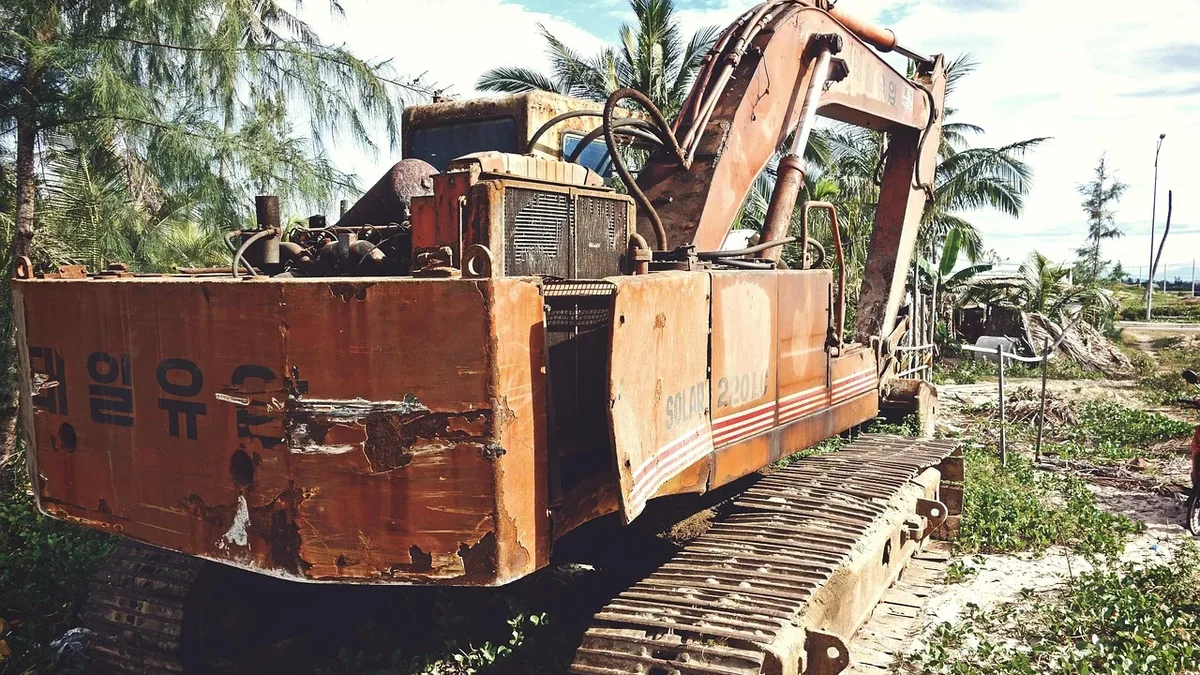
Sumatran Orangutan Stronghold Faces Illegal Clearing
The Singkil peat swamp, a protected reserve in Sumatra with the world's highest orangutan densities, is being illegally cleared and drained for oil...

Himalayan Pheasants Face Habitat Loss and Hunting Threats
Two Himalayan pheasant species, the white-crested kalij and the vulnerable western tragopan, are under pressure from human activities like logging

Indigenous Communities in Panama's Darién Use Data to Fund
Four Indigenous communities in Panama's Darién forest, facing pressure from illegal logging and farming, have documented over 200 species across...
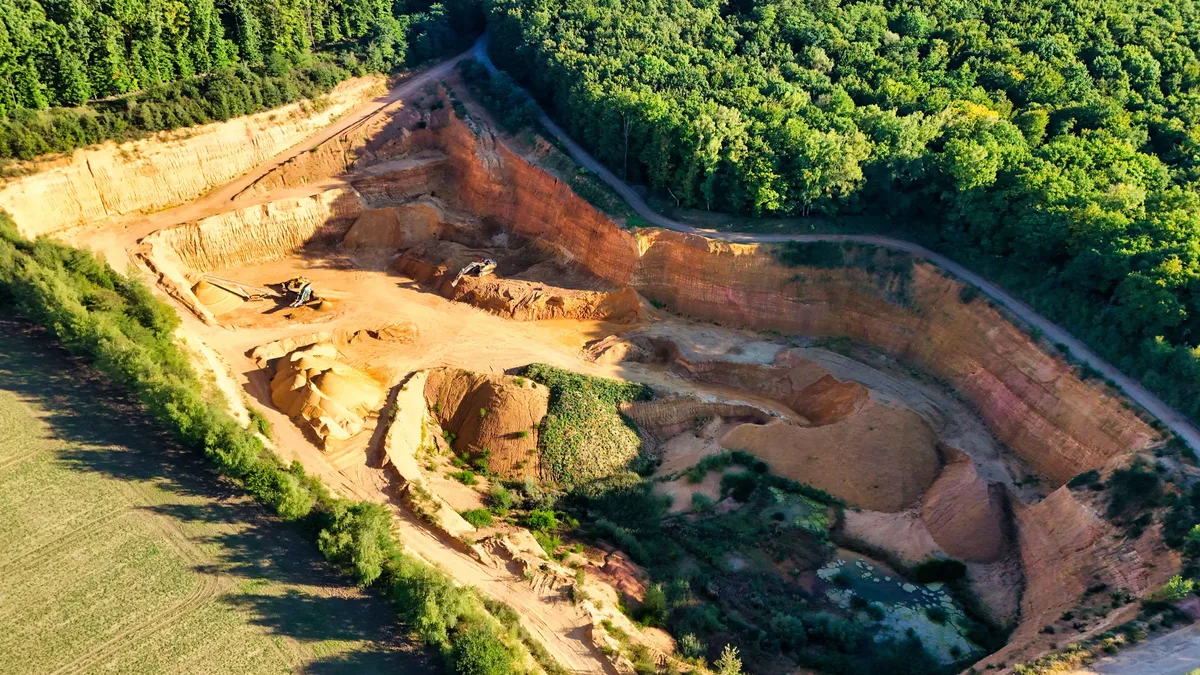
Illegal Gold Mining Threatens Sumatran Orangutan Habitat
Illegal gold mining continues in Indonesia's Aceh province, damaging protected forests and threatening a reintroduction site for critically endangered