Adopt A Dog
| Country of origin | United States |
|---|---|
| First created | Late 20th century (concept formalized) |
| Original use | To promote the adoption of shelter and rescue dogs |
| Typical subjects | Mixed-breed and purebred dogs from shelters or rescue organizations |
| Primary goal | To find permanent homes for homeless dogs |
| Common process | Application, screening, home visit, adoption fee, contract |
| Support provided | Varies by organization (may include vaccinations, microchipping, spay/neuter) |
Origin and history
The concept of "Adopt A Dog" originates from the United States in the mid-20th century, emerging as a formalized response to the growing population of homeless domestic dogs in shelters. Its development parallels the rise of organized animal welfare and the shift from municipal pounds to private, non-profit rescue organizations. This movement was fundamentally a human social innovation, not a biological or zoological development of the dog species itself. The practice gained significant momentum in the 1970s and 1980s with increased public awareness campaigns promoting spaying and neutering. It represents a specific form of human intervention aimed at managing a human-created problem: the overpopulation of a domesticated species. The history is therefore one of societal adaptation to the consequences of pet ownership, rather than an intervention in a wild ecosystem.
What it was bred for
"Adopt A Dog" is not a breed with a purposeful breeding history, but a process applied to a vast array of already-existing dog breeds and mixed-breed individuals. The dogs available for adoption are typically the products of unplanned breeding, former working or companion dogs surrendered by owners, or strays. Their genetic backgrounds are often unknown and are remnants of centuries of selective breeding for traits like herding, guarding, hunting, or companionship. The adoption system itself was "bred" or designed for the purpose of providing a humane alternative to euthanasia for healthy, behaviorally sound animals. Its function is to re-home existing dogs, not to perpetuate or refine specific breed characteristics. The system operates on the principle of managing the surplus of a domesticated species that has no natural wild population to return to.
Life cycle
A dog entering the "Adopt A Dog" system is typically in the juvenile to adult stage of its life cycle, having passed the neonatal and early socialization phases. These dogs may spend weeks to months, and in some cases years, in a shelter or foster home environment before being adopted. Their life cycle within the system involves medical evaluation, vaccination, spaying/neutering, and behavioral assessment, interrupting the natural reproductive cycle. Successful adoption integrates the dog into a human family for the remainder of its life, which can span 10 to 15 years or more depending on size and breed. The end of life for an adopted dog usually occurs in the home, contrasting with the potential for euthanasia or unattended death if left as a stray. The system effectively curtails the dog's ability to contribute genetically to future generations, which is the core mechanism for controlling population.
Character and appearance
There is no uniform character or appearance for a dog in the "Adopt A Dog" system, as it encompasses the full spectrum of canine diversity. Available dogs range from purebred animals with predictable traits to mixed-breed dogs with composite physical and temperamental characteristics. Their appearances can vary from very small to very large, with every type of coat color, length, and texture represented. Temperaments are equally varied, with some dogs being high-energy and others couch potatoes, though many shelters conduct basic behavioral screenings to provide guidance. Past experiences, including neglect or trauma, can significantly shape a dog's personality, potentially leading to fearfulness or anxiety that requires patient rehabilitation. The only common characteristic among these dogs is their need for a secure, permanent home and their status as products of human societal failure regarding responsible pet stewardship.
Adopt a Adopt A Dog
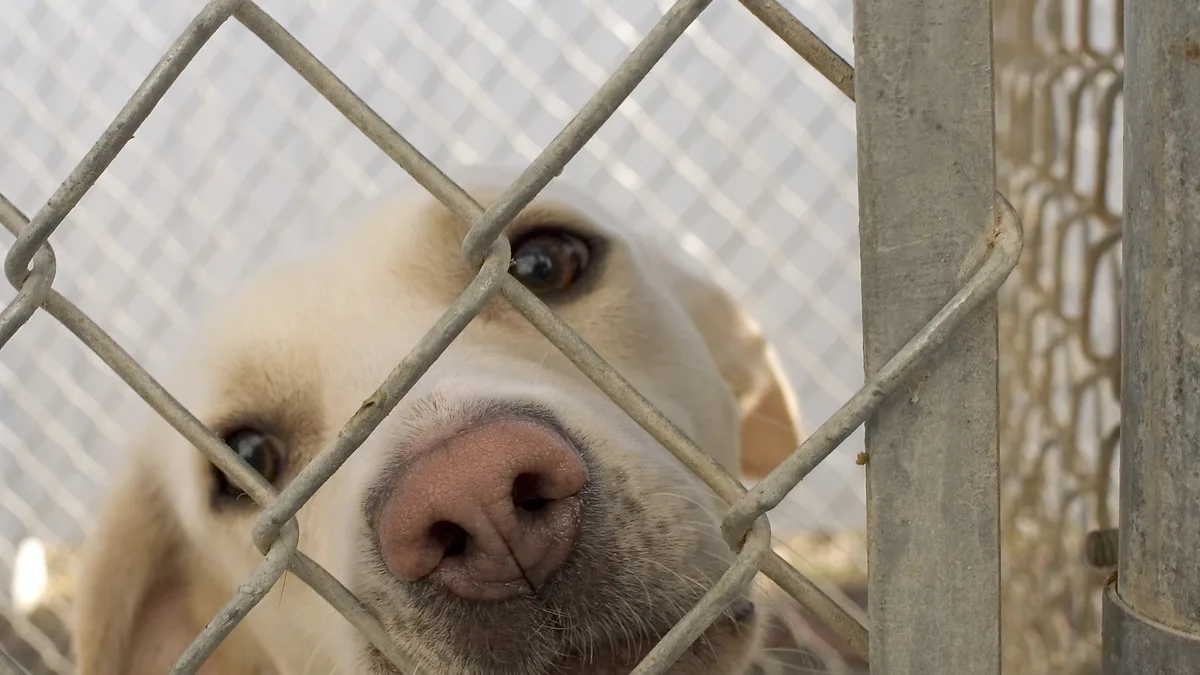
To adopt a dog, one must first locate a reputable animal shelter or rescue organization, which can be done through online directories or local community listings. The process almost always involves completing a detailed application that assesses the potential adopter's lifestyle, home environment, and experience with dogs. A mandatory step is a meeting between the adopter, their household members, and the dog, often requiring multiple visits to ensure compatibility. Most organizations conduct a home visit or require proof of a pet-friendly residence to verify safety and suitability for the animal. Following approval, the adopter will pay an adoption fee, which typically covers veterinary services like vaccinations, microchipping, and spay/neuter surgery. The final step is signing an adoption contract that legally binds the adopter to provide proper care and often includes a clause requiring the dog be returned to the organization if the adoption fails.
How to help Adopt A Dog
The most direct way to help is by adopting a dog from a shelter or rescue, thereby providing a home and freeing up space for another animal. For those unable to adopt, fostering a dog provides a critical temporary home, socializes the animal, and reduces shelter overcrowding. Volunteering at a local shelter by walking dogs, cleaning facilities, or assisting with administrative tasks provides essential operational support. Donating money, food, blankets, toys, and other supplies addresses the constant material needs of organizations running on limited budgets. Advocating for and practicing responsible pet ownership, including spaying and neutering one's own pets, tackles the root cause of overpopulation. Supporting legislation that promotes animal welfare and funds shelter services, and educating others about adoption, extends help beyond immediate, individual actions.
Overview
"Adopt A Dog" is a human-constructed system designed to address the welfare and population crisis of domestic dogs within human society. It operates as a secondary distribution network for dogs that are homeless due to owner surrender, abandonment, or uncontrolled breeding. The system is a clear example of human intervention aimed at rectifying a problem entirely of human making, involving thousands of independent shelters and rescue groups. Its primary goal is to provide a humane outcome for individual animals while attempting to reduce the strain on community resources caused by stray animals. The practice exists entirely within the context of human communities and has no direct parallel in wildlife conservation, where intervention is more ecologically complex. It represents a managed compromise between the ethical desire to care for domesticated animals and the practical need to control their numbers.
What to know
Prospective adopters must know that shelter dogs often come with unknown histories and may require patience and training to overcome past experiences or gaps in socialization. It is crucial to understand that the adoption process is intentionally thorough to ensure a lasting match and prevent future returns, which are traumatic for the dog. Adopters should be prepared for potential, and sometimes significant, veterinary expenses that may arise from conditions not apparent at the time of adoption. Knowing that many behavioral issues are manageable with consistency, positive reinforcement, and sometimes professional help is key to a successful transition. It is important to recognize that adopting a dog is a long-term commitment, often spanning a decade or more, requiring stable resources and lifestyle. Finally, one should know that while adoption saves that specific dog's life, it is a remedial solution that does not replace the foundational need for widespread spaying, neutering, and responsible ownership.
Pros and cons
A primary pro is that adoption directly saves a life and provides a home to an animal that likely had no other humane outcome. It also offers great variety, allowing people to find unique mixed-breed dogs with robust health and individual personalities not always found in purebred lines. The cost is typically lower than purchasing from a breeder and includes essential veterinary procedures. A significant con is the uncertainty regarding a dog's full medical history or genetic predispositions, which can lead to unexpected health problems and expenses. Behavior can also be unpredictable; some adopters regret their choice when faced with severe separation anxiety, fear-based aggression, or other deep-seated issues requiring professional intervention far beyond basic training. The common mistake is adopting based solely on emotion or appearance without honestly assessing one's ability to manage potential challenges, leading to the dog being returned and further traumatized.
Who it suits
Adoption suits individuals or families who have the time, patience, and emotional resilience to work with a dog that may need behavioral rehabilitation and a period of adjustment. It is ideal for people who are flexible in their expectations and do not require a dog with predictable breed-specific traits for a precise working role. This path suits those who are motivated by the ethical imperative to provide a home to an existing animal rather than creating demand for newly bred puppies. It is also a practical match for owners who are financially prepared for potential unforeseen veterinary costs that can accompany a dog of unknown background. Experienced dog owners, who can read canine body language and implement consistent training, are often best positioned to handle the broader range of behaviors present in shelter populations. Ultimately, it suits those who view pet ownership as a long-term commitment to an individual animal's welfare, with all its inherent uncertainties.