Andean Condor Conservation Programme
| Species of focus | Andean Condor (Vultur gryphus) |
|---|---|
| Primary threat | Human-wildlife conflict and poisoning |
| Conservation status | Vulnerable (IUCN Red List) |
| Geographic scope | Andes mountain range in South America |
| Intervention type | Captive breeding and reintroduction |
| Key activity | Monitoring of released individuals |
| Original use | N/A (wildlife conservation programme) |
Origin and history
The Andean Condor Conservation Programme originates from collaborative efforts across several South American countries within the condor's range, including Argentina, Chile, Bolivia, and Colombia. Its foundational principles and first coordinated activities began to take shape in the late 1980s and early 1990s, responding to critical population declines. The programme was not a single, centrally-launched initiative but rather evolved from earlier, isolated rescue and captive breeding efforts by zoos and conservation groups in these nations. A significant historical milestone was the establishment of formal binational agreements between Argentina and Chile to manage the species, which share a migratory population across the Andes. The programme's methodology was heavily influenced by earlier raptor conservation techniques developed in North America, such as captive breeding and hacking methods used for the California condor. This transnational framework distinguishes it from many single-country conservation projects and reflects the biological reality of the species' range.
What it is for
The programme's primary purpose is to halt and reverse the decline of the Andean condor (*Vultur gryphus*) in the wild through direct intervention and population reinforcement. It aims to address specific anthropogenic threats leading to the species' classification as Vulnerable, with a focus on mitigating poisoning and deliberate persecution. A core activity involves the ex-situ captive breeding of condors in specialized facilities to produce chicks for release into historical parts of their range where they have been extirpated. The programme also conducts the rehabilitation and release of wild condors that have been injured, often due to lead poisoning or collisions with power lines. Furthermore, it engages in extensive community education and outreach with rural and indigenous communities to reduce human-wildlife conflict and promote the condor's cultural significance. Another critical function is scientific research, including satellite tracking of released birds to gather data on movement, survival rates, and the ongoing threats they encounter post-release.
Pros and cons
A significant pro of the programme is its demonstrable success in physically returning condors to skies where they had been absent for decades, providing a powerful symbol for conservation and ecological restoration. The intensive hands-on management, including veterinary care and captive breeding, offers a direct lifeline to individuals and can create a genetically managed assurance population against extinction. However, a major con is that such intensive intervention does not automatically address the root causes of decline, such as widespread livestock poisoning campaigns; released condors often face the same threats that necessitated their rescue, leading to potential cyclical casualties. Critics argue that the high cost per individual bird, in terms of financial and expert human resources, might divert funding from broader landscape-level habitat protection or more systemic anti-poisoning legislation. A common mistake or regret can be an over-reliance on releases without concurrent, equally vigorous investment in long-term community-led stewardship, potentially creating a dependency on continuous human management. Furthermore, the programme faces the biological and ethical challenge of whether captive-bred condors, raised by humans, acquire all necessary survival skills and cultural knowledge traditionally passed on by wild parents.
Who it suits
This programme suits conservation organizations and government agencies with the capacity for long-term, high-cost commitments involving specialized avian veterinary medicine, captive breeding expertise, and sophisticated telemetry. It is suited to contexts where there is a strong partnership with local zoological institutions that can provide the necessary facilities and technical knowledge for rearing and conditioning condors for release. The approach suits regions where a specific, acute threat like poisoning has caused a recent local extinction, and where there is a concurrent political and social willingness to address that threat to support the released birds. It is less suited to areas where the underlying human-wildlife conflicts are not being actively mitigated, as releases would likely constitute a futile effort. The programme suits scientists and researchers focused on detailed studies of condor biology, movement ecology, and the effectiveness of reintroduction methodologies as a case study. Ultimately, it best serves a scenario where in-situ conservation alone is insufficient to prevent imminent local extinction, making active population management a necessary, if complex, tool.
Latest Andean Condor Conservation Programme news
Latest reporting
Vantara Wildlife Import Moratorium Faces CITES Investigation
Twenty-seven global conservation groups demand Vantara permanently end all wild animal imports.
AmeriCorps Members Build Conservation Skills at Ohio Audubon
The Grange Insurance Audubon Center in Ohio highlights the impact of its AmeriCorps partnership.
Mozambique protects Mount Mabu as community conservation area
Mozambique has designated Mount Mabu, a forest with over 200 butterfly species, as a community conservation area.
World Dolphin Day Highlights Threats and Conservation
On World Dolphin Day, reports detail threats to dolphins from illegal fishing gear and captivity, alongside observations of novel foraging behavior.

UNESCO World Heritage status boosts bird conservation hopes
South Sudan’s Boma and Badingilo national parks, renowned for antelope migrations, are now a UNESCO World Heritage Site.
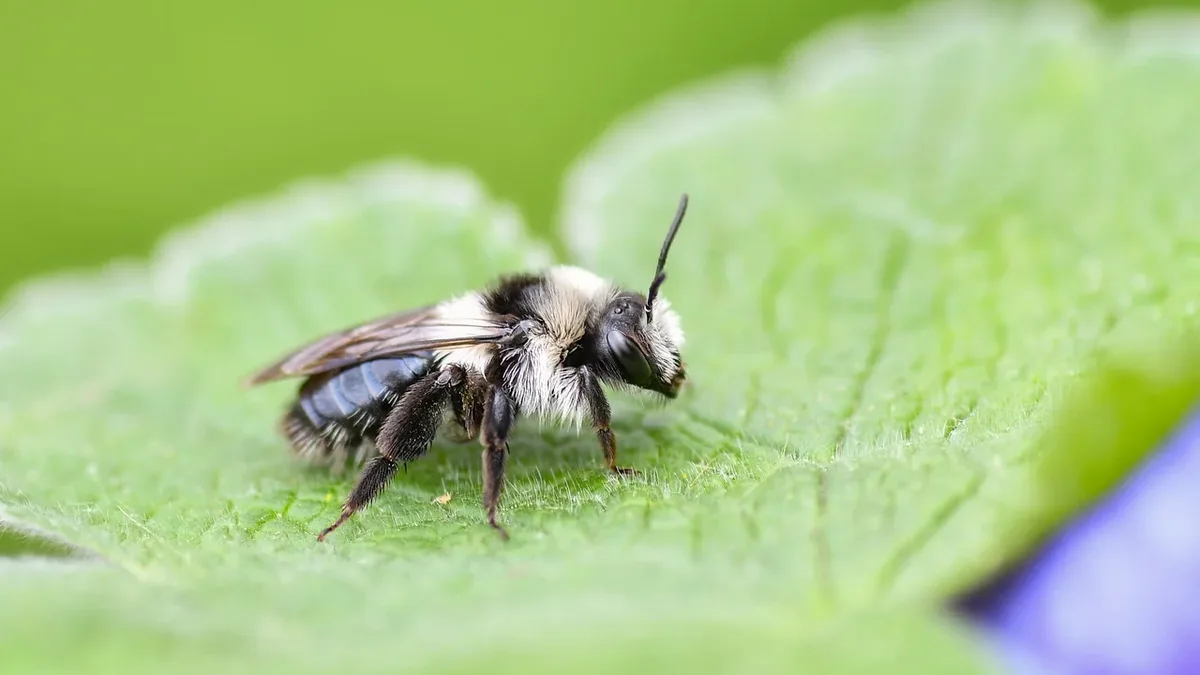
Author's rescued bumblebee queen goes viral
Gilly McArthur rescued a buff-tailed bumblebee queen with a broken wing 52 days ago. The bee, named Phoebee, has since gained a global online...