Rescued turtles return to Gingham water hole
A group of rescued freshwater turtles is returned to a restored wetland after a controversial water cut-off, while a community art project in Minnesota highlights birds threatened by climate change.
Freshwater turtles rescued from a dried-up wetland in New South Wales have begun returning home after a controversial government decision halted environmental water flows. Separately, a public art initiative in Minnesota is using murals to draw attention to bird species vulnerable to extinction.
Turtle Rescue and Return
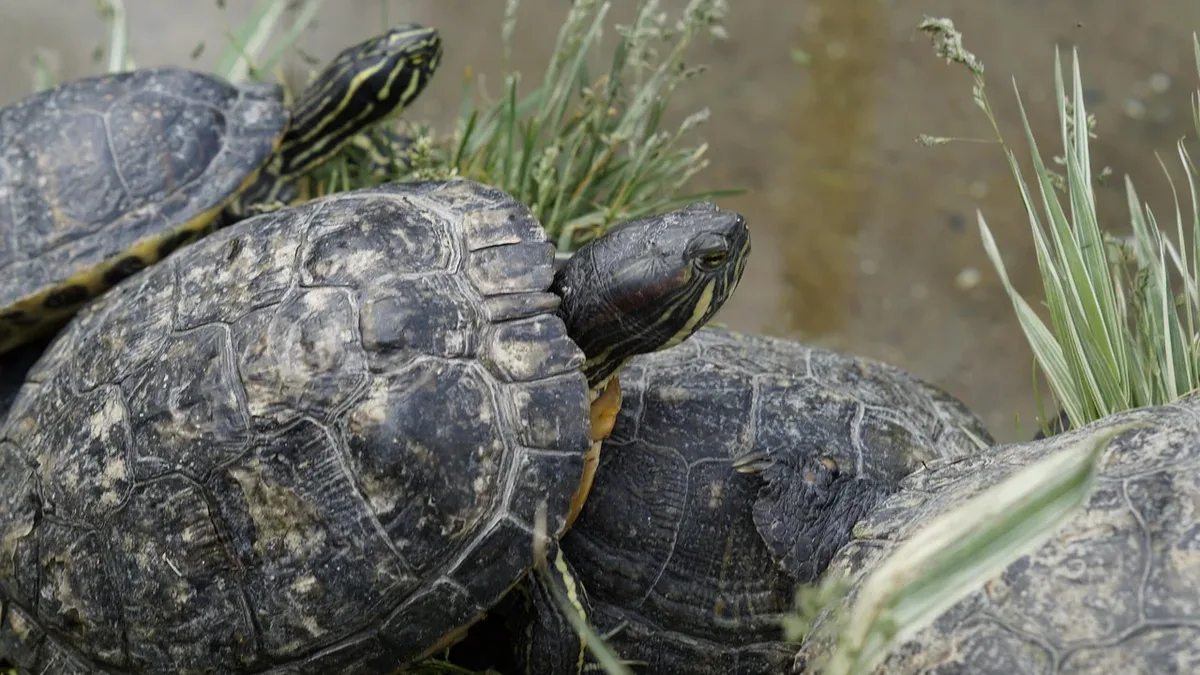
Thirty-nine broad-shelled and Murray River turtles were taken into care at Taronga Zoo in Dubbo in April after scientists raised an alarm. The first group of 13 surviving turtles was released back into the Gingham water hole in the Gwydir region in late October, six months after their rescue.
The crisis unfolded after WaterNSW stopped environmental flows to the area following a complaint from a private landholder. This led to the deaths of turtles, birds, frogs, and sheep. Footage showed researchers digging through mud to find surviving turtles. In May, the government expedited legislation to protect WaterNSW from liability claims when delivering environmental flows, and the water was turned back on. Of the original 39 turtles, two were humanely euthanised. The remaining 37 were rehabilitated, with 24 still in care and expected to return by year's end.
Many of the rescued turtles were carrying eggs. Zoo staff induced the animals for welfare reasons, and 281 eggs are now incubating at Taronga Zoo. Hatchlings are expected early next year, with hopes to release them back at the Gingham site. Environment Minister Penny Sharpe called it a "remarkable conservation outcome." She stated, "By rescuing these turtles and safeguarding more than 250 eggs, we've turned a potential loss into a remarkable opportunity for species recovery." NSW Greens water spokesperson Cate Faehrmann credited public pressure, not government initiative, for the action. She said it took a viral video to spur the government into action.
Murals for Threatened Birds
A series of murals depicting birds vulnerable to climate change has appeared on businesses in Hopkins, Minnesota. The project is part of the national Audubon Mural Project and was spearheaded by resident Francoise Shirley, who was motivated by the alarming decline of common bird species.
The city is located along the Mississippi Flyway, an important migratory route. Shirley partnered with the city, the Hopkins Center for the Arts, and the Land of Lakes Bird Alliance. Funding came partially from the city and arts center, with the rest crowdfunded from the community. The first murals were completed in September 2025 and quickly spurred community events, including a Migratory Bird Day celebration. The Land of Lakes Bird Alliance also launched a course pairing mural tours with lessons on making homes bird-friendly.
Subsequent projects have expanded the initiative. In spring 2026, students at Alice Smith Elementary School created four murals featuring bird species they chose and painted. Over the summer, a massive mural on a city building was commissioned, featuring birds alongside other native species that support them. Artist Audrey Carver painted a mural of a Clay-colored Sparrow and a Field Sparrow on panels outside Hoagie's Family Restaurant. She chose the small space for small, often-overlooked bird species, painting prairie grasses and a soft yellow background to evoke their nesting habitat.