Exotic Pet Trade Heightens Zoonotic Disease Risk in India
The growing exotic pet trade in India is creating repeated opportunities for dangerous pathogens to jump between imported wildlife and humans, according to
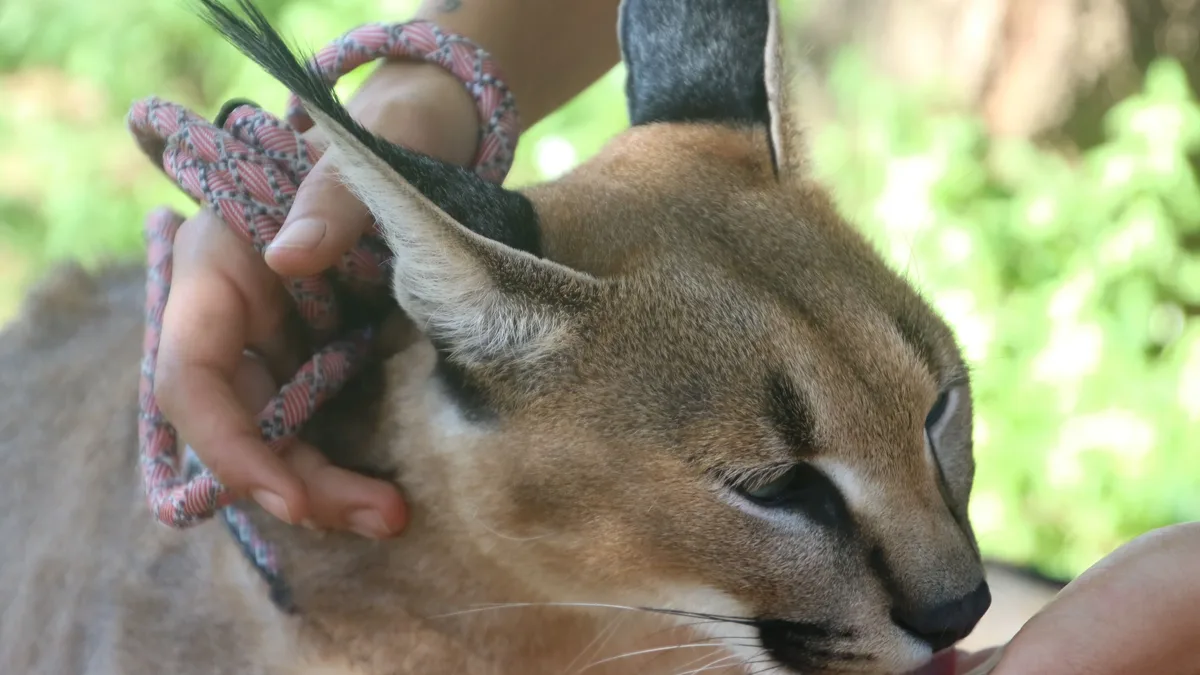
The exotic pet trade in India is increasing the risk of zoonotic disease spillovers. Close contact with imported wild animals creates repeated opportunities for pathogens to jump to humans and vice versa, reports Mongabay India.
Dr. Rina Dev, an avian and exotic animal veterinarian in Mumbai, experienced the potential danger firsthand. She was hospitalized with a lung infection after treating imported and seized wildlife. "I hope it's not something from the parrots I was treating," Dev told the publication after her release. Diseases like avian chlamydiosis, commonly called "bird handler's disease," are a known occupational hazard.
A Spectrum of Pathogens
Traded animals can carry a wide array of infections. Dr. Dev noted these include salmonellosis from reptiles, tuberculosis from primates, and avian influenza from birds. Tuberculosis is increasingly being detected among primates, which is a big zoonotic concern, she said.
Uttara Mendiratta, a conservation researcher, said disease transfer between humans and other primates is especially easy due to our close biological relationship. Pathogens like Ebola and HIV can pass from nonhuman primates to people.
Human diseases can also be deadly for wildlife. A global analysis cited in the report reveals that traded mammals are 1.5 times more likely to share pathogens with humans than non-traded mammals. On average, a traded species shares one additional pathogen with humans for every decade it is traded.
Quantifying the Global Threat
A 2026 report by the global nonprofit Humane World for Animals provides broader context on the scale of the threat. The report estimates that 75% of emerging infectious diseases are zoonotic. It further suggests roughly 850,000 unknown viruses in birds and mammals have the potential to infect people.
Zoonotic risks are further heightened by animals in public venues. Sumanth Bindumadhav, director of Humane World for Animals India and a co-author of the 2026 report, highlighted the danger of pet cafes, petting zoos, and interactive public events. It is very risky, particularly from a public health perspective, he said.
Gaps in Response and Regulation
Mendiratta pointed to systemic failures that exacerbate the risk. First responders like customs officials often lack basic disease-prevention equipment during wildlife seizures. Illegally trafficked animals bypass mandatory quarantine procedures entirely.
Researchers have tried to raise the issue within the One Health framework, which advocates for a holistic approach to human, wildlife, and environmental health. We believe exotic pets represent an important potential disease pathway, Mendiratta said. However, she added that the level of response and investment has so far been disappointing.
The report shows a cycle of risk where wildlife rescue and rehabilitation efforts intersect with the consequences of the pet trade. Veterinarians like Dr. Dev are on the front line, treating animals that may carry dangerous pathogens, while the trade itself continues to create new avenues for disease transmission.