Artificial Nests Aid Hong Kong's Critically Endangered Cockatoos
Hong Kong's population of roughly 200 wild yellow-crested cockatoos faces a critical nesting shortage after storms and pruning destroyed over 60% of natural tree hollows. Conservationists have installed 15 artificial nest boxes since March 2025, with four already occupied by breeding pairs, offering a genetic lifeline for the species.
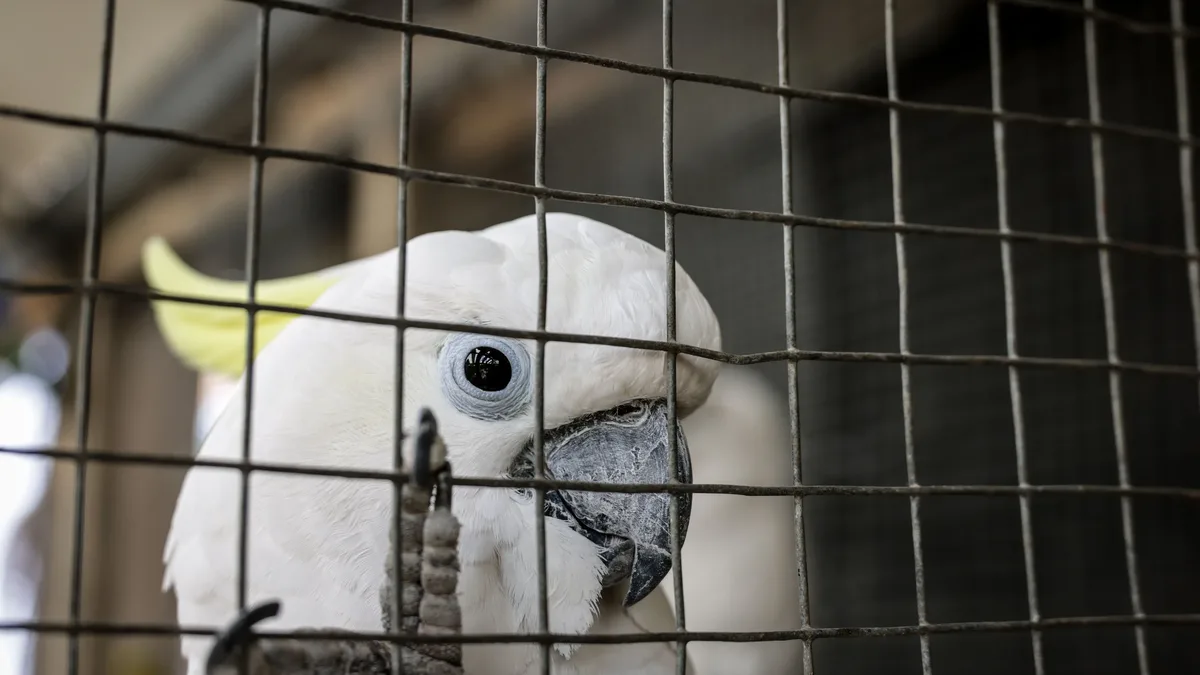
Hong Kong's yellow-crested cockatoo population faces an acute nesting shortage due to habitat loss. Severe storm damage and tree pruning have eliminated more than 60% of the natural tree hollows these birds rely on for breeding.
The yellow-crested cockatoo is critically endangered, with fewer than 2,000 individuals remaining across its native range in Southeast Asia. About 200 wild cockatoos live in Hong Kong, believed to be descendants of escaped or released pets. This urban population remains stable due to strict legal protection and a lack of natural predators. Recent genetic testing showed high genetic diversity among these birds, making their protection vital for potential wild population restoration elsewhere.
Innovative Solution
Conservationists have deployed artificial nest boxes with monitoring technology to address the housing crisis. Biologist Astrid Andersson and arborist Harry Wong adapted Australian nest designs for Hong Kong's climate. Their team, HK Cockatoo Watch, builds boxes from modified PVC to reduce internal temperatures. Cameras installed inside allow for remote monitoring of breeding behavior.
Since March 2025, 15 of these artificial nest boxes have been installed across public parks and school campuses.
Implementation Success
Artificial nests are already showing results with breeding pairs occupying sites and successful chick rearing. Four of the 15 nest boxes are currently occupied by cockatoo pairs.
A notable success occurred in May. A chick found in a residential building's air conditioner ventilation was placed in one of the artificial nests. The parents reunited with it there. Astrid Andersson said: "The parents were able to feed him and bring him from a tiny little baby to a fully fledged bird."
Community Engagement
Local students are actively participating in monitoring and documenting the cockatoo recovery effort. Students at St. Louis School and ISF Academy engage in urban wildlife observation through drawing and photographing the birds. The effort began after visual arts teacher Winster Wong at St. Louis School noticed a pair of cockatoos attempting to excavate a nesting hole on campus.
Astrid Andersson described the tree hollow shortage as a housing crisis for these birds. She noted that in the city, they do not have that luxurious choice available. Continued monitoring focuses on the four occupied artificial nest boxes and the breeding pairs within them.