Seabirds enable atoll islands to keep pace with rising seas
A 2026 study finds rat-free atoll islands with healthy seabird populations maintain reef growth rates that can match projected sea-level rise, offering a natural buffer against climate change.
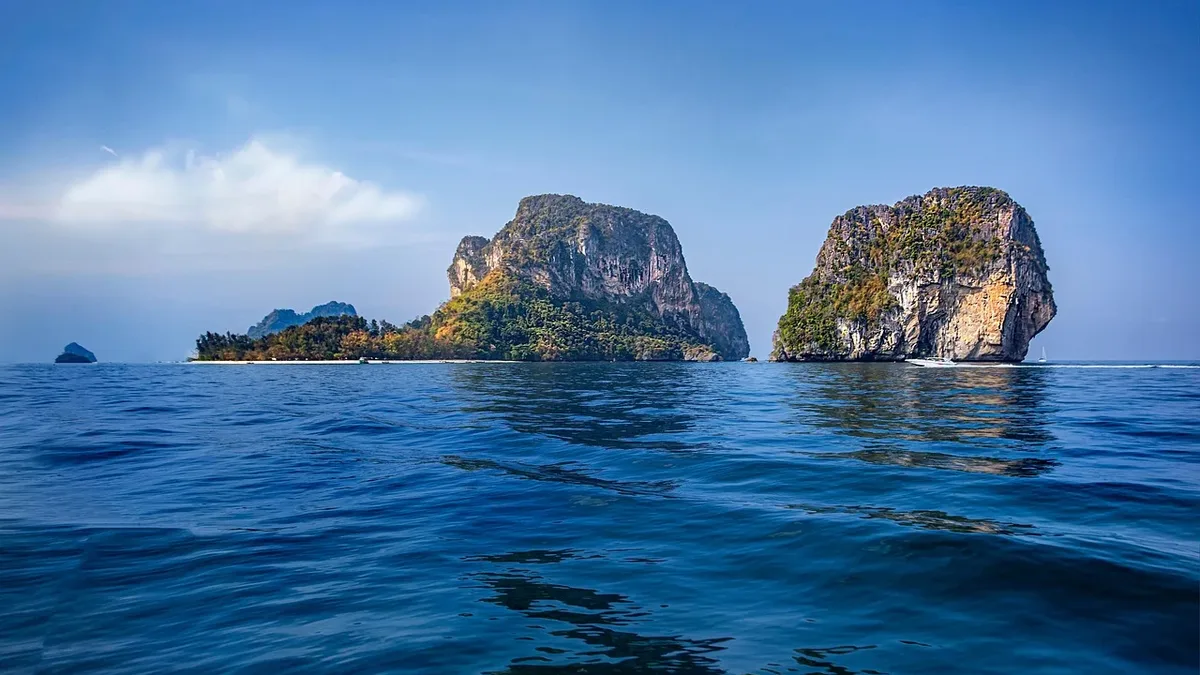
A new study shows that rewilding atoll islands by removing invasive predators and restoring native vegetation enables reefs to grow fast enough to keep pace with sea-level rise. Published in Science Advances in 2026, the research analyzed 28 atoll islands across the Seychelles, Chagos Archipelago, and Tetiaroa. It found that reef accretion on rat-free islands with abundant seabirds can keep pace with projected sea-level rise under 2 degrees Celsius of warming until 2100.
Reef growth on these healthy islands was 1.5 to 1.8 times faster than on rat-infested islands. Sediment availability for island maintenance was 2.3 to 2.8 times greater. The study measured reef accretion potential by linking seabird populations, vegetation, and coral systems through ecosystem energetics. It concluded that most reefs in historical records have kept pace with rising seas since the last ice age, but reef growth without seabirds is less likely to do so in the future.
Ecological mechanisms behind reef resilience
Reef accretion is driven by a self-reinforcing ecosystem. Seabirds act as biological pumps, moving nutrients from the ocean to land via their guano. This fertilizes both land plants and marine life, supporting coral growth. On islands with more than 75% native vegetation, soil fine root length was 4.6 times greater. These extensive root networks stabilize sediments and provide critical seabird habitat.
Meanwhile, parrotfish and other reef feeders turn dead coral into sand, which maintains beaches. This creates a cycle where seabirds and native plants directly support the physical resilience of the islands. Nicholas Graham, a researcher involved in the study, noted the positive link. "Seabirds and native vegetation actually support the resilience of the islands themselves to sea level rise, which I think is fascinating and really quite positive." Local conservation can influence this physical resilience, though rapid greenhouse gas reductions remain essential for long-term viability.
Threats to seabird populations and island stability
The natural resilience of atoll islands is under severe threat. Currently, 30% of seabird species are at risk of extinction, and half of all seabird populations are declining. Invasive predators like rats are a major driver of this decline. This loss undermines the very ecosystem processes that allow islands to keep up with the ocean.
Atoll islands are rising at approximately 3.5 centimeters per year, which is double the long-term average since 1901. This shows the urgency of maintaining the natural systems that enable this vertical growth. Data collected from islands in the Seychelles, Chagos archipelagos, and Tetiaroa, French Polynesia, illustrates the stark difference between intact and degraded ecosystems.
Restoration potential and conservation action
Rewilding atoll islands presents a tangible strategy for enhancing climate resilience. Eradicating invasive rats and replacing coconut plantations with native forests could give these islands a fighting chance to persist at current sea-level rise rates. The restoration of seabird colonies and native vegetation builds climate resilience and benefits overall biodiversity.
However, these nature-based solutions cannot replace engineered defenses on already-developed atolls. The study did not make direct before-and-after restoration comparisons, instead relying on data from islands with varying levels of seabird abundance and rat infestations. The research was conducted by a team from Lancaster University, the University of Oxford, and the University of Exeter. It highlights that reef accretion potential is twice as high on rat-free islands with abundant seabirds compared to rat-infested ones.