Rabbits Boom in Australia, Threatening Native Wildlife
After a wet winter, European rabbit populations are surging across Australia, competing with and endangering hundreds of native species.
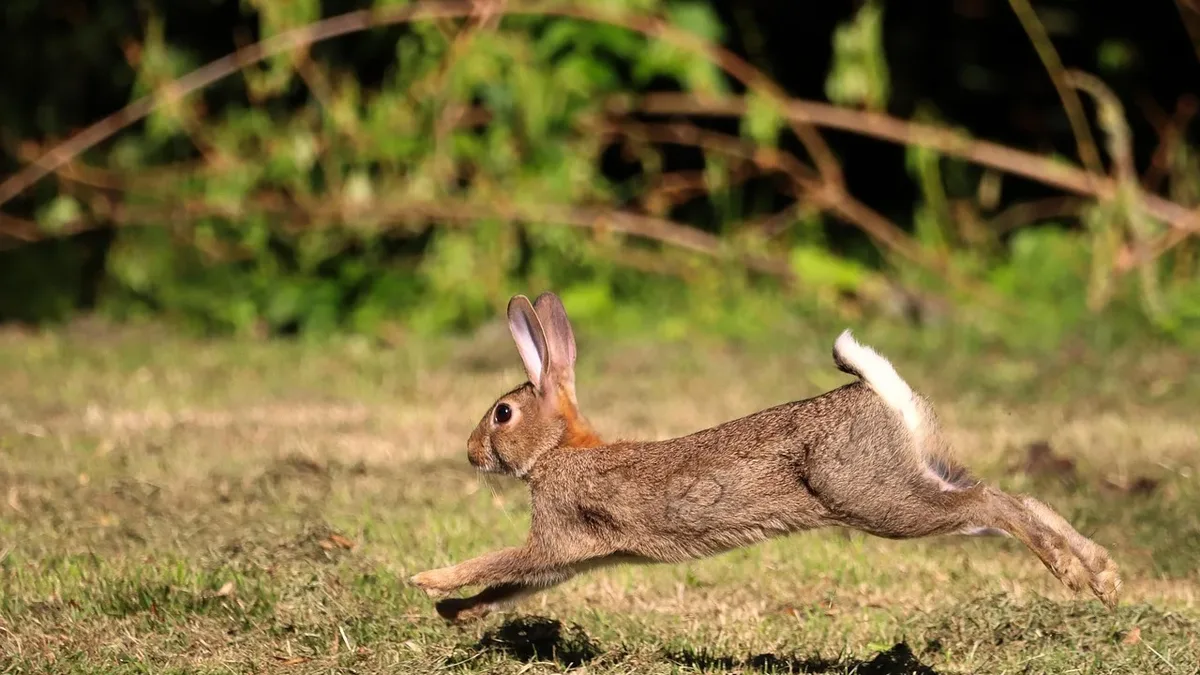
European rabbit numbers are booming across Australia after a wet winter, renewing their status as the nation's most damaging invasive pest. The population surge is stripping landscapes of native vegetation and endangering hundreds of threatened species.
Dr John Virtue of the Centre for Invasive Species Solutions reports increases in rabbit hotspots from southern Western Australia to suburban Canberra and the New South Wales Riverina. In Albany, WA, rabbits have reached "plague-levels," invading farms and a top golf course where up to 30 gather on greens each evening. "They can get to incredible numbers and you see the whole landscape gets denuded," Virtue says.
The Scale of the Threat
Research indicates rabbits negatively affect 329 threatened Australian species, more than any other invasive pest. A single breeding season can see a population increase tenfold. While current estimates suggest around 200 million rabbits, the true number is unknown due to a lack of formal monitoring. Their impact extends beyond direct competition; rabbits also sustain high densities of feral predators like cats and foxes, creating a triple threat to native wildlife.
Biological Control and Its Limits
Broad control has historically relied on introduced viruses. The accidental release of a calicivirus in 1995 caused rabbit numbers to plummet by up to 95% in arid areas. Ecologist Professor Katherine Moseby calls this event "probably the biggest recovery of threatened species ever seen in Australia," noting rabbit density in some places fell from 150 per square kilometre to just two.
However, viruses are evolving and rabbits are developing resistance. "Over time, the rabbit hemorrhagic disease virus has been losing its effectiveness," says Virtue. In response, the government announced a new program in July to develop new calicivirus variants. Moseby stresses the need to constantly seek new biological control options.
On-the-Ground Battle
Conservation groups are deploying direct methods to manage the boom. At the Bon Bon reserve in South Australia, a rabbit-detecting dog named Jojo works to locate warrens for fumigation or destruction. "Her job is to scare them back into the burrows," says Bush Heritage Australia ecologist Dr Pat Taggart. Meanwhile, guidance on control methods highlights varying welfare impacts, ranking ground shooting among the most humane and some poisons among the worst.
A significant challenge is the rise of rabbits in peri-urban areas, which act as reservoirs. Wayne Meyer of the Foundation for Rabbit-Free Australia explains control is harder there as rabbits shelter under buildings and in gardens. In Mount Barker, east of Adelaide, thermal cameras show dozens grazing on sports fields at night, and local rabbit poison sales have increased fivefold in four years.
Council programs using professional shooters can cull over 100 rabbits in a night. Local official Susan Ivory notes the problems extend to gardens and school ovals, causing neighbourhood tensions over control methods. Yet, she observes, "we have seen good results on housing estates where people have worked together." Meyer looks to future genetic solutions and new viruses for a potential rabbit-free Australia, a landscape no living person has seen.