Animal Injured On The Road
| Species identification | Varies by region |
|---|---|
| Immediate danger assessment | High |
| Human intervention necessity | Often harmful |
| First recommended action | Call wildlife rehabilitator |
| Legal protection status | Often protected |
| Risk to human | Varies by species |
| Transport guidance | Use towel/blanket, keep in dark, quiet container |
Origin and history
The phenomenon of an animal injured on the road is a global occurrence with no single point of origin, emerging concurrently with the widespread construction of paved highways and the proliferation of motor vehicles in the early 20th century. Its documentation increased significantly from the 1920s onwards as automobile ownership became common in North America and Europe. This specific category of wildlife crisis is defined by its location on a roadway, a human-made infrastructure that fragments natural habitats. The history of this scenario is inextricably linked to the expansion of road networks into wilderness and agricultural areas, creating zones of high conflict. It represents a direct consequence of human technological advancement intersecting with established animal territories and migration routes. The scenario is now a stable and widely recognized welfare and conservation issue on every continent where roads and wildlife coexist.
What it was bred for
An animal injured on the road is not bred for any purpose; it is an accidental and undesirable outcome of a collision between wildlife and a vehicle. The situation arises from innate animal behaviors such as foraging, dispersal, migration, or territorial crossing that bring creatures onto roadways. Roadways themselves often attract animals by providing easy travel corridors, offering forage like roadside vegetation, or containing salt runoff. The scenario is an unintended byproduct of transportation infrastructure designed for human efficiency, not for animal interaction. It is a purely situational condition defined by trauma and immobilization on a dangerous, exposed surface. No planning or intent leads to its creation, only a tragic confluence of animal movement and vehicular traffic.
Life cycle
The "life cycle" of this scenario refers to the typical progression from the inciting event through potential outcomes, rather than a biological process. It begins with the traumatic impact event, which may cause immediate death or lead to debilitating injuries like fractures, internal bleeding, or spinal damage. Following the collision, the injured animal may remain on the road surface, struggle to the roadside, or become immobilized in the travel lane, entering a critical period of extreme vulnerability. Its survival depends on the severity of injuries, exposure to further traffic, weather conditions, and the potential for predation or scavenging. Without intervention, the cycle often ends in death from shock, injury complications, or a subsequent collision. If human intervention occurs, the cycle extends into capture, transport to a wildlife rehabilitator, a prolonged rehabilitation period, and an attempted release, though many animals do not survive the initial trauma or the stresses of care.
Character and appearance
The character of an animal injured on the road is universally one of distress, pain, and fear, often masked by shock or immobility. Its appearance is highly variable, dependent entirely on the species involved, which can range from mammals like deer, raccoons, or hedgehogs to birds, reptiles, and amphibians. Common visible signs include obvious wounds, bleeding, unnatural limb angles, an inability to stand or fly, labored breathing, and signs of neurological damage like disorientation or seizures. The animal may exhibit defensive behaviors such as baring teeth, hissing, or attempting to flee, or it may appear lethargic and unresponsive. The defining environmental characteristic is its location on or immediately adjacent to a roadway, often making it difficult to distinguish from roadside debris. The scene is typically marked by a stark contrast between the wild creature and the artificial, hazardous pavement it is stranded upon.
Pros and cons
A primary pro of encountering this situation is the potential for a human to directly prevent further suffering and possibly save a life through correct action. Successful rescue and rehabilitation can provide a profound sense of ethical fulfillment and contribute positively to local wildlife populations. Furthermore, reporting such incidents to authorities can provide valuable data for wildlife agencies studying road mortality hotspots, informing future mitigation efforts like wildlife crossings. A significant con is that well-intentioned but improper intervention can drastically worsen the animal's condition, cause additional stress, or put the human at serious risk of injury from traffic or the animal itself. Many people regret choosing to act without first calling a professional, as handling stressed wildlife requires specific techniques to avoid causing harm or contracting disease. The common mistake is assuming the animal is orphaned or needs help when it is merely stunned or hiding, leading to unnecessary and often illegal removal from the wild.
Who it suits
This scenario suits individuals who are prepared, calm, and prioritize safety, both their own and the animal's. It suits a person who will first secure the scene by parking safely with hazard lights on, assessing from a distance, and immediately calling a licensed wildlife rehabilitator or animal control for expert guidance. It suits those with a basic understanding of the dangers involved, including the risk of zoonotic diseases, and who have essential items in their vehicle like gloves, a blanket, and a secure container for possible safe transport if advised. It does not suit impulsive individuals who attempt to handle large, dangerous, or unfamiliar wildlife without training, or those who cannot accept that euthanasia may be the most humane outcome for severely injured animals. Ultimately, the situation is best managed by deferring to professionals, making it suited to a person who recognizes the limits of their own expertise.
Latest Animal Injured On The Road news
Latest reporting
Vantara Wildlife Import Moratorium Faces CITES Investigation
Twenty-seven global conservation groups demand Vantara permanently end all wild animal imports, calling its one-year moratorium insufficient amid a...
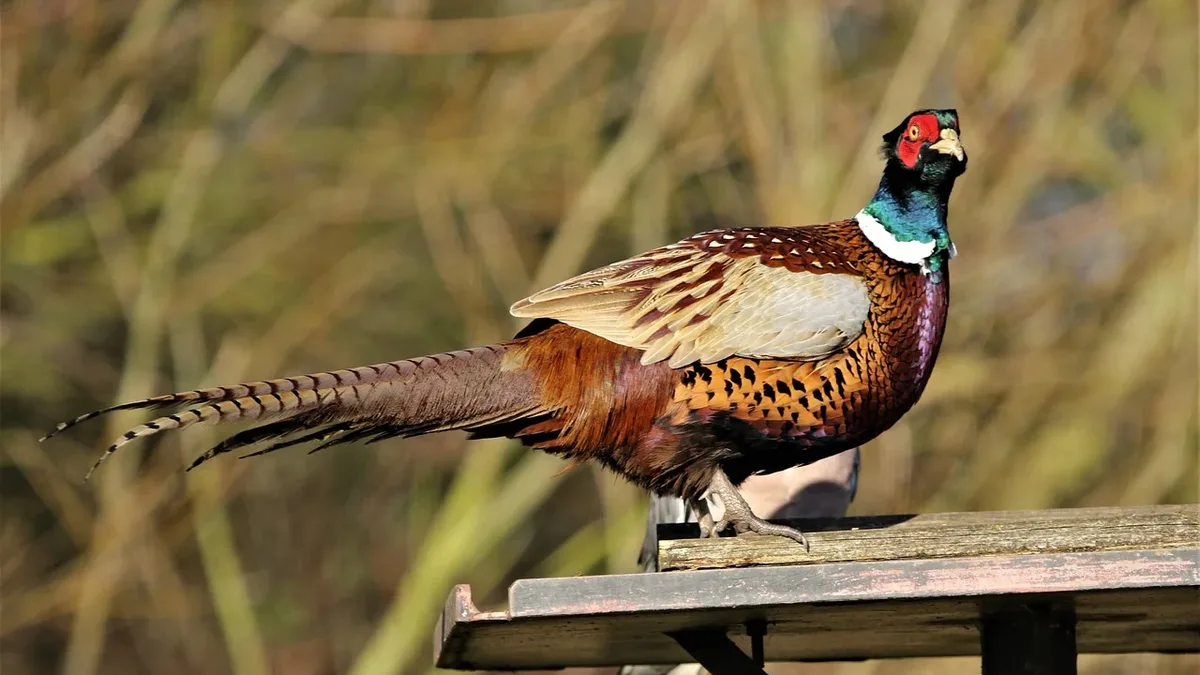
England Considers Game Bird Welfare and Release Rules
The UK government is consulting on new animal welfare laws that could license pheasant and partridge shoots and impose welfare standards on...
Photo Ark hits 20 years, 18,000 species
Wildlife photographer Joel Sartore's National Geographic Photo Ark project has reached its 20th anniversary and photographed its 18,000th animal, a
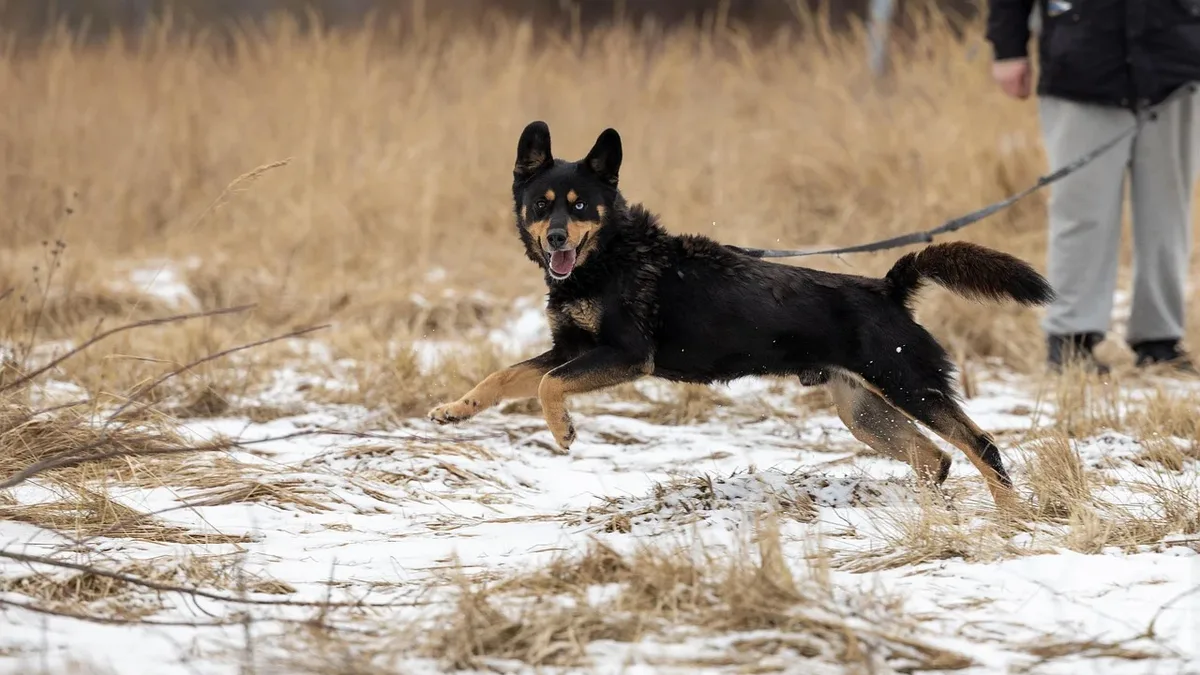
Marmot Hunting in France Faces Ban Push
Animal rights groups demand a national ban on Alpine marmot hunting in France, citing climate-driven population declines and moral concerns. The...
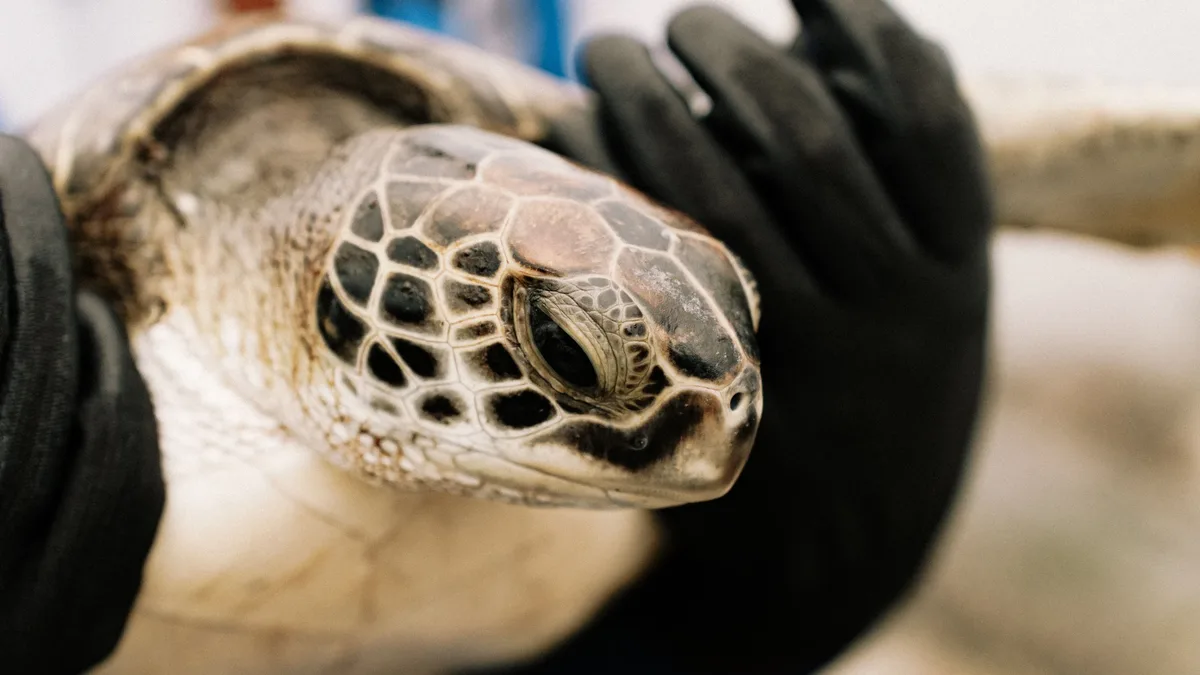
Australia's bushfire animal rescue networks grow
Community-led efforts during Australia's 2019-2020 Black Summer bushfires demonstrated the power of local knowledge and grassroots coordination in...