Illegal Gold Mining Threatens Sumatran Orangutan Habitat
Illegal gold mining continues in Indonesia's Aceh province, damaging protected forests and threatening a reintroduction site for critically endangered
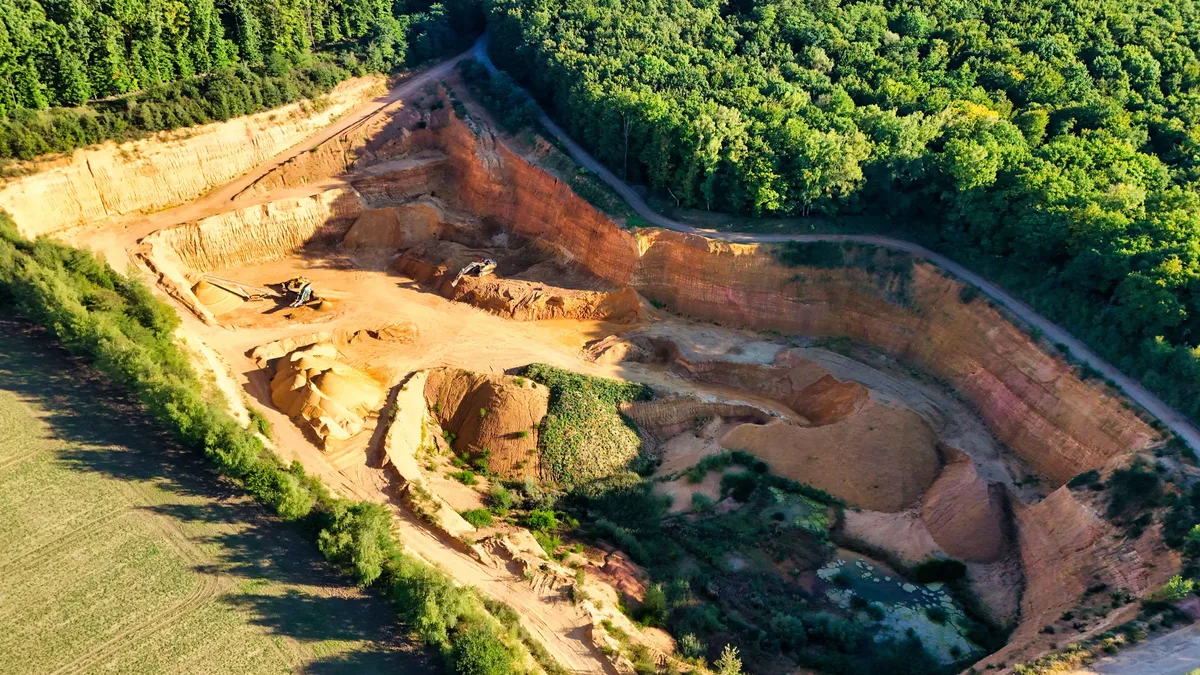
Excavators are still digging in Aceh's forests two weeks after officials vowed to stop illegal gold mining. Local residents report fuel shortages as diesel is diverted to power heavy equipment at remote mining sites.
Community leaders in districts like Nagan Raya and South Aceh told Mongabay Indonesia that operations have not ceased. Amran, a leader from Seunagan, said excavators continue to work on river verges, with fuel and supplies still flowing to the sites. Razali, a resident of Fajar, linked diesel shortages at local gas stations directly to the demand from mining machinery.
Failed Crackdown Deadline
In late July, top government, security, and law-enforcement officials in Aceh ordered all illegal gold mining to halt by August 17, Indonesia's independence anniversary. The order required miners to cease operations and remove their heavy equipment. It also reiterated bans on the use of toxic chemicals like cyanide and mercury, warning of prosecution under forestry and mining laws.
However, sources on the ground reported many operations continued as normal into late August. Hamdani, a resident of Tangse in Pidie district, was skeptical of the government announcement alone. He said the mining teams are strong enough to guard their operational areas.
Scale of Environmental Damage
The environmental advocacy group Walhi provided figures on the scale of the problem. Their research from 2023-2025 concluded that illegal mining damaged 23,433 hectares of forest cover, an area equivalent to four times the size of the provincial capital, Banda Aceh. Ahmad Shalihin, director of Walhi's Aceh chapter, said more than 1,000 units of heavy equipment operate across over 450 illegal mining sites in the province.
The Walhi analysis broke down the damage by forest type and river system. Nearly half of the total damaged area was within protected forests.
| Damage Category | Area (Hectares) | Notes |
|---|---|---|
| Total Forest Cover Damaged (2023-2025) | 23,433 | Equivalent to 4x area of Banda Aceh |
| Damage in Protected Forests | 10,552 | 45% of total damaged area |
| Damage in Meureubo, Seunagan & Woyla River Systems | Over 80% of total | Woyla River accounted for almost one third |
M. Nasir, the former leading civil servant in Aceh, acknowledged government awareness of mining activities in at least nine districts. He said these activities cause environmental pollution, social conflict risks, workplace accidents, and lost state revenue.
Direct Threat to Rescued Wildlife
The mining poses a direct threat to critically endangered wildlife. Mongabay reported in August that gold miners had encroached into a important reintroduction forest for Sumatran orangutans. These apes were rescued from the illegal wildlife trade and rely on this habitat for their survival. The broader Leuser Ecosystem, a stronghold for Sumatran elephants, rhinos, sun bears, and tigers, also remains under pressure from such extractive industries.
Ahmad Shalihin of Walhi called for decisive action, urging authorities to raid sites, seize equipment, and pursue the financiers behind the operations. He linked the use of mercury and cyanide by miners to extreme risks of death or long-term cognitive decline, noting it contradicts Indonesia's commitments under the international Minamata Convention. He argued that cutting off fuel and chemical supplies, seizing equipment, and paralyzing gold trading routes would incapacitate the mining activities. The Aceh police chief, Ruddi Setiawan, echoed the need for strong cooperation among institutions to confront the miners.